Stories of Change


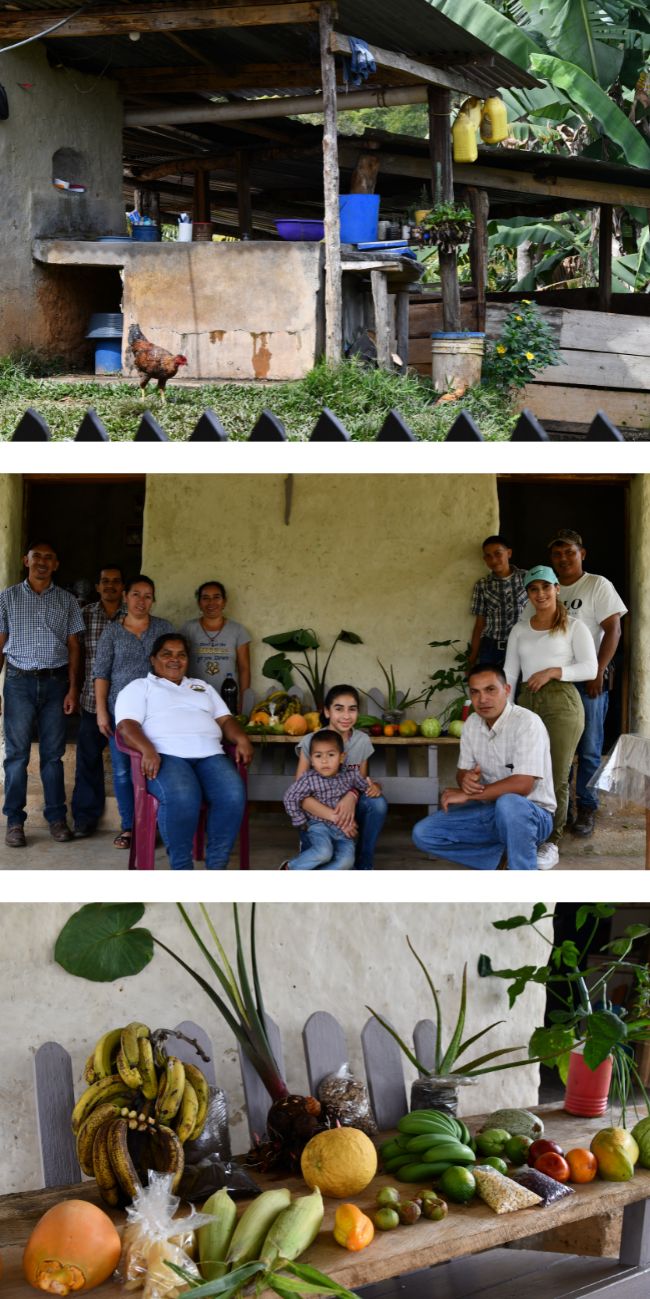
Top: Pedro's home, Middle: Pedro (front right), CASM partners and Pedro's family, Bottom: Fruits and vegetables harvested by Pedro

A Community’s Guiding Light

Like many great leaders, Pedro is humble and has never sought the spotlight. He lives a calm life in the countryside of Honduras where he spends most days working on his crops and coffee plantations. He’s a man of strong values and is a leader in the Catholic Church where he finds joy in teaching families about the gift they are to one another.

When the pandemic hit in 2019, Pedro’s values and way of life were put to the test. Inflation and store closures made it difficult for Pedro and his family to access food and supplies needed to maintain their harvests. Eventually, Pedro’s wife suggested she leave to the U.S. to find employment and help make ends meet. “For me, it was like a stab to my heart because I’ve never wanted our family to be separated,” Pedro said. Despite the challenges they were facing, Pedro and his wife decided they would hold onto their faith and stay together in Honduras.

Following this decision, Pedro and his family received the blessing they had been hoping for. CWS’ partner, CASM, invited them to participate in a food security program. Pedro received chickens, a piglet, sheep and a cow and was given intense training on how to care for these animals. CASM helped Pedro transform his home to care for the animals and grow a vegetable garden. Pedro is now an expert in animal care, fertilization and vegetation. His home now nourishes his family and is a training ground for the whole community.

Pedro has become a mentor and leader in his community and has passed on his knowledge to his neighbors. He said, “Honestly, I never wanted to be a role model but it just happened. Every time I do something, I ask God for guidance and I invite others to see what I’m doing so that they can apply it to their own lives.” He added that while at times it’s uncomfortable for him to be called a role model, it’s also motivating. “It makes me want to be better and better every day. Why? Because if I am their role model, I should be better each day so that they can benefit the most from these practices.”

Pedro credits all of his success to God. He attributes the first phone call about the program as divine intervention. “I didn’t even see who was calling. I said, It’s God calling and I took it. Since then, we’ve been seeing the light, like we say, through these programs,” Pedro told us. He added that since joining the program, his family has made a good income that will allow them to maintain a happy life together in their country.

Pedro’s gratitude and desire to share all these blessings are what have made Pedro a blessing to the rest of his community and guiding light, illuminating the path toward a better tomorrow.
Stories of Change


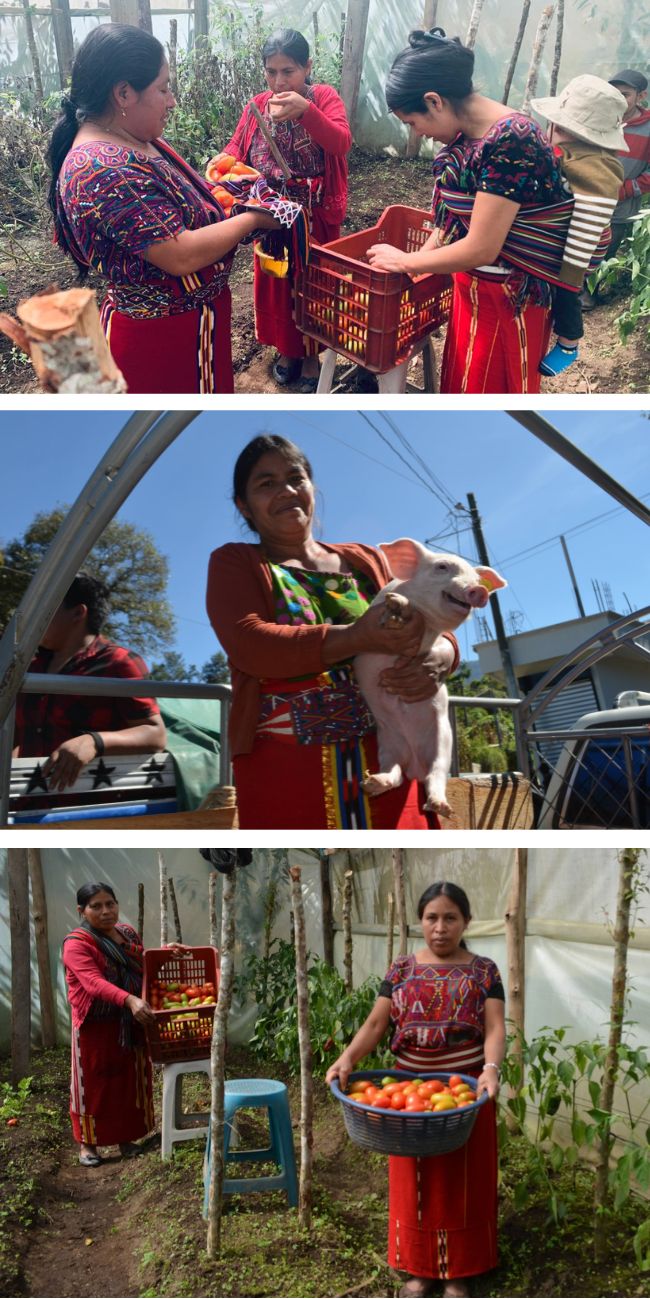
Top: program participant harvest chilis, Middle: program participant receives pig, Bottom: program participants harvest tomatoes

A Blessed Region Receives More Blessings

When we asked farmer, human rights activity and interpreter Nery Brito how he would describe the Ixil region in Guatemala, he said, “Blessed. It is rich in vegetation, diverse and fertile.” Nery is part of a CWS-supported food security and nutrition program, in which he focuses on working with indigenous populations to conserve both their resources and traditions. He told us, “I like working with Mother Earth. My hobby is looking at the mountains, seeing how wonderful our world is.”

Nery stated that the program has helped reduce malnutrition in children and families, recover ancestral knowledge, encourage the use of organic fertilizers, engage in sustainable cultivation and preserve traditional recipes. Along with his team, Nery visits the families in the area on a regular basis to discover how they are doing and to bring them supplies. He said, “I feel that in addition to bringing supplies, we offer psychosocial support. People feel listened to, and learn to have a balanced diet and are happy.”

“Through the program,” Nery explained, “many families received livestock such as pigs, chickens and sheep. When these animals reproduce, they are distributed to other families so that they can also participate in breeding and sales. In our most recent delivery, we distributed 50 piglets to two communities.”

In this new year, we will continue to work with these families by providing on-farm training and increasing access to seeds for growing nutritious and marketable vegetable crops. We are excited to see all of the ways that these communities will continue to thrive.

We are thankful to the Conference of Evangelical Churches in Guatemala (CIEDEG) for their leadership of this program, We are also grateful for the generosity of Growing Hope Globally and Latter-day Saints Charities in supporting this work.


Stories of Change


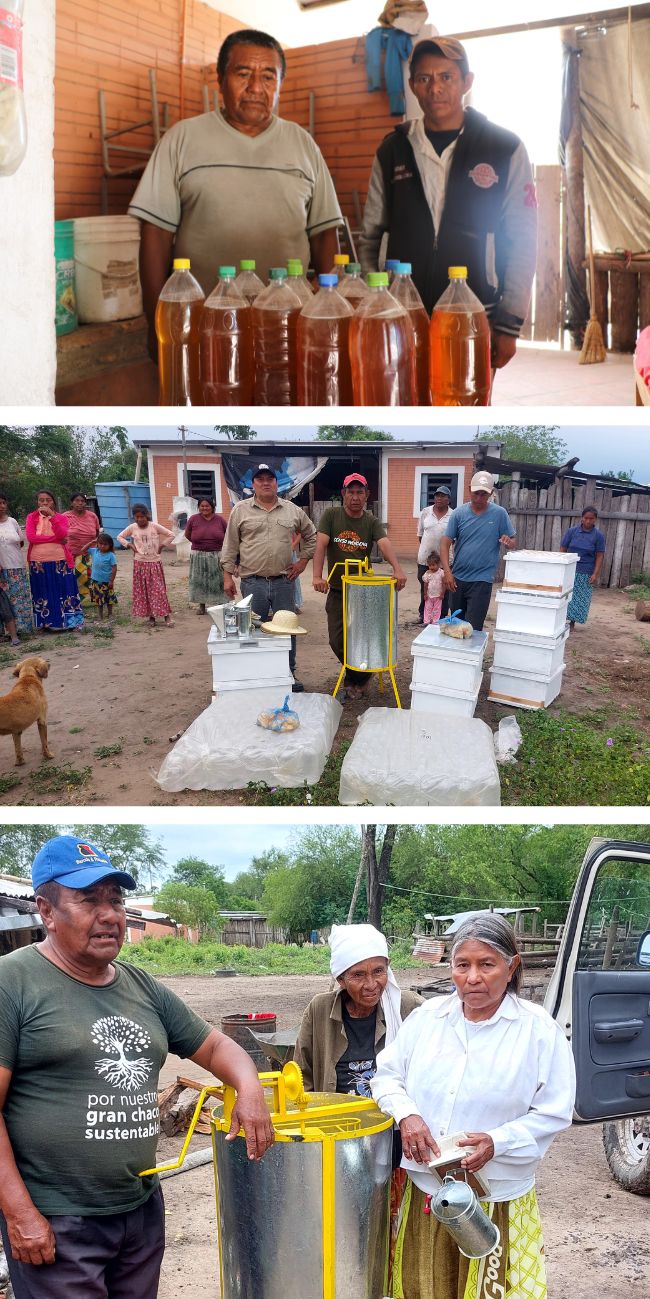
Top: Leonardo (left) with honey he poduced, Middle and Bottom; distribution of beekeeping technologies in Leonardo's community

Resilience and the Right to Water

In his rural town in the Lower Chaco region of Paraguay, Leonardo Martinez and his family rely on basic activities like washing their hands, having a clean home, cultivating crops and selling their produce in local markets to survive. These activities may sound simple, but as access to water in this region of Paraguay becomes increasingly scarce, life in rural towns like the one Leonardo lives in has felt impossible. 

At the beginning of 2022, a heat wave in Paraguay hindered agricultural production and burned crops that had been ready to harvest. Most of the communities we partner with were only able to harvest less than a third of what they expected. “Last year there was little rain. The weather changes a lot; everything is dry, absolutely dry,” said Leonardo, who is an agricultural leader in El Espinillo. He said, “there is no way to grow multiple things, just some plants and oranges.” 

With the help of our local partners, we are working to give families like Leonardo’s their right to water back. We are doing this by repairing drinking water infrastructure, digging wells and installing water-collecting roofs. Leonardo is just one of the 196 families participating in this program. He told us, “now we have access to drinking water, thanks to your help.” 

We are also introducing communities to sustainable livelihoods such as beekeeping and caring for livestock. In October 2022 alone, we delivered 100 goats to the 10 towns in the program. We also registered 122 new producers of honey and estimated that each individual produced about 16 gallons of honey last year. Leonardo commented, “today there are even more hives loaded with honey.”

As these rural towns move forward, their residents are advancing with them. Participants in these towns were invited to attend classes on literacy and indigenous education laws and were trained on how to make water drinkable and the consequences of consuming contaminated water. Around 360 families attended these education sessions. Other larger initiatives have also emerged to address these challenges. 

Finally, our team and partners are working to address a major, overarching issue at play here: climate change. We’re focused on uniting communities, local government authorities, human rights organizations and other involved groups to understand the impact that climate change is having locally and try to mitigate its harmful effects. Through this inititative, we’ve helped launch three important events and institutions in the local department (similar to a U.S. state) of President Hayes: the first Interinstitutional Conversation of the Bajo Chaco on Climate Change; the Department Technical Board on Climate Change; and the Departmental Summit on Climate Change. 

While we can’t control the weather, we can still take action to ensure everyone has the right to live stable and healthy lives. Through their resilience and commitment, the communities of the Paraguayan Gran Chaco have a newfound strength and are looking forward to growing more in the new year. 

This story is part of the Integral Rural Development project, led by our local partner, Pastoral Social Diocesana Benjamín Aceval, with the support of Growing Hope Globally.


Stories of Change


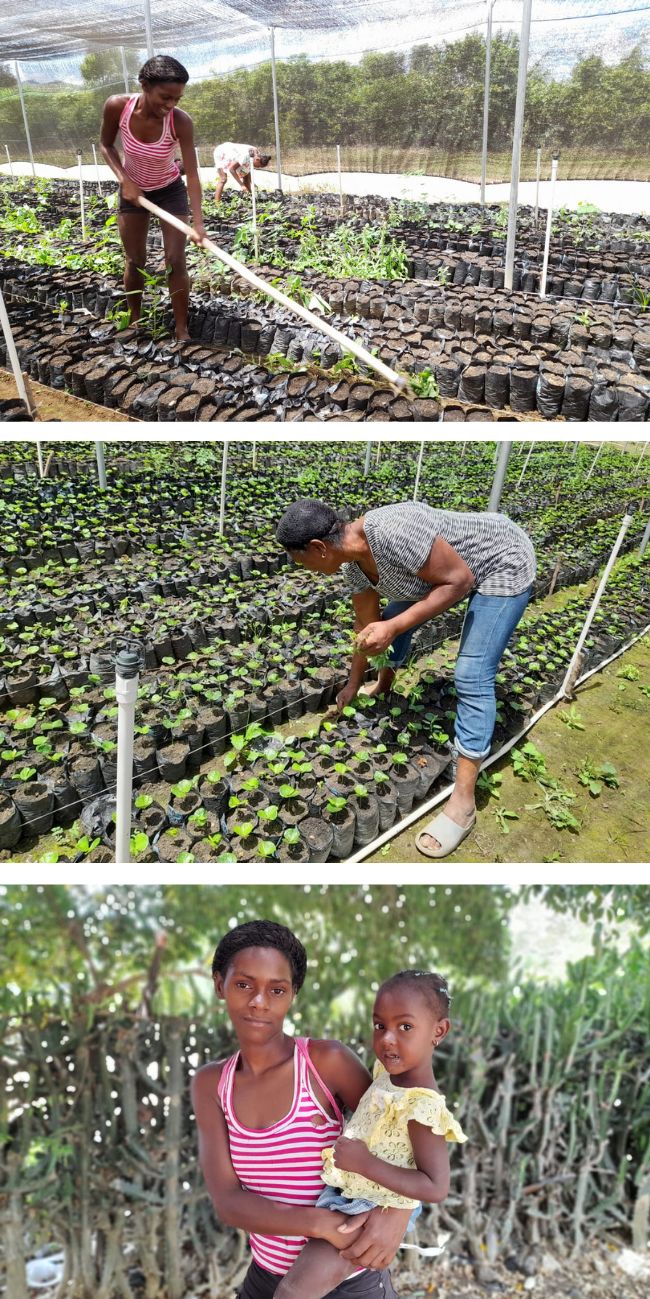
Top: Angela working at the plant nursery Middle: Program participant tends to plans Bottom: Angela and her daughter

Moving Forward as a Community

Working as a team can be a fun way to get a job done efficiently and effectively. Teamwork is at the heart of our agriculture and livelihoods programs in the Dominican Republic. These programs mainly serve women, youth and older populations and give them the tools to move forward while bringing their community with them.

We recently met Angela Ramirez, who works at a plant nursery that was developed through the program. Angela is 21 years old and is described by her community as a hard-working young woman who often has a smile on her face. At the plant nursery, Angela is responsible for filling up bags of fertilizer for plants and vegetables. With the help of her coworkers, she has reached nearly 30,000 bags! Her job is not an easy one, but she does it happily with dedication while using the time to learn and get to know her community.

Angela is one of 155 participants who have been invited into our Cooperative Business Development Program. The objective of the program is to strengthen the skills and abilities of the participants so that they can grow and sell coffee, avocados, lemons and other foods. Angela shared, “work helps me forget about problems because I am spending time with my community. I feel happy here and like to help as much as I can.” She added that working at the plant nursery has been like therapy for her and allows her to cope with challenges she might face in her day-to-day life.

Angela’s coworker at the nursery, Damiana Ogando, shares her gratitude for the program and stated, “The nursery is the best thing that has happened to the community. It’s a very good thing for everyone and we hope that our grandchildren will also be able to enjoy it.” Another one of her coworkers, Crusely Valdez, explained that at the plant nursery, the women in the community have learned how to transplant, germinate and graft plants. She said, “We leave the nursery as business women and teachers ready to teach other people who don’t know these skills we have learned. I’m working here for myself, my family and my community.”

In addition to the creation of the plant nursery, through the program, community leaders have learned marketing techniques, how to create a business plan and information on credit and savings. A new water pump was also installed near the nursery and a seed germinator with the capacity to germinate 40,000 different seeds was constructed.

The participants in the plant nursery are using their new skills to support one another and move forward together. We are thankful for the support of our program partner, Servicio Social de Iglesias Dominicanas and Growing Hope Globally.


Stories of Change


Sebatiana with one of her chickens

Fighting Poverty with the Help of Chickens

In Timor-Leste, many residents rely on agriculture to make a living. Unfortunately, due to the changing environment and water scarcity, farming is often not a reliable or stable income. Sebastiana Ximenes Babo, her husband, Jacinto Gonsalves and their four children have struggled with this in the small rural town that they live in.

Despite the long and laborious hours Jacinto puts into his work as a farmer, his income is rarely enough to support his family. Sebastiana shared that she makes an effort to feed her children a stable diet but that their income only permits two small meals each day, often of rice only. While the family has known for a while that maintaining livestock is a way to increase their income, they could never afford to buy livestock.

Fortunately, thanks to our Giving Machine Program, the family was able to receive three chickens at the lowest price possible: free! Jacinto participated in a training on how to care for the chickens, and the family was given materials to make cages for the chickens. Sebastiana shared, “I am very grateful. In the future I promise that I will take good care of the chickens, so they can lay many eggs and they can hatch into chicks. That way my family can not only eat, but also sell the eggs to earn an income which we can use to purchase other goods such as meat, milk and more.”

Thanks to their dedication to their new chickens and commitment to moving out of poverty, Jacinto and Sebastiana are creating a better future for themselves and their chickens.

We are thankful for our partner, the Latter-day Saints Charities  for their generous funding of our Giving Machines Program. Without their support, stories such as Jacinto and Sebastiana’s would not be possible.


Stories of Change


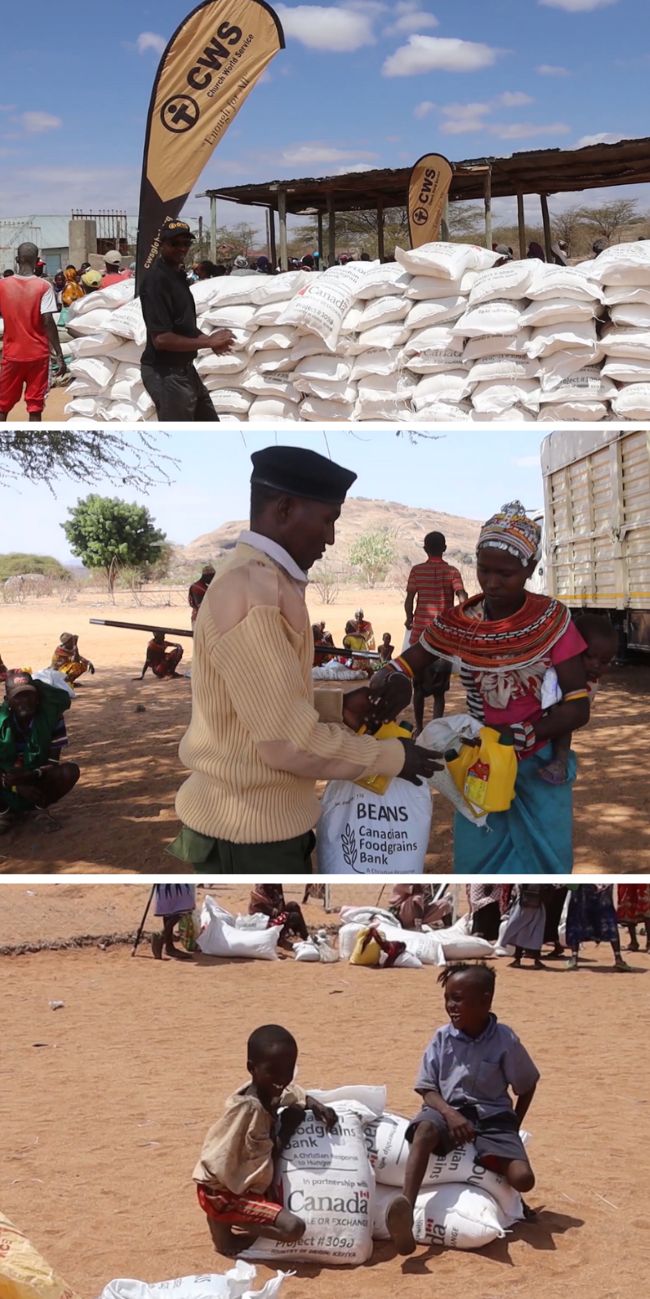
Top: Michael Kendagor stands next to rations, Middle: Local officer gives rations to resident, Bottom: Children laugh next to food rations

8,000 Lives Changed

In countries around the world, we are seeing the close connection between climate change and hunger. The ability to grow food is largely dependent on the environment. If the environment lacks stability, so does our ability to put food on the table. This tight-knit, cause-and-effect type of situation describes the current state of many communities in Kenya.

With our generous partner, the Canadian Foodgrains Bank, we have been monitoring the historic drought in Kenya and providing food assistance to those most affected. You may recall our recent project in Tana River County. Thanks to our partner, we are moving north and providing similar assistance to communities in the town of Lasiabis in Marsabit County.

In Laisamis, all are feeling the effect of hunger on their day-to-day lives. Local officer, Charles Mbole, shared, “several students have dropped out of school in this region due to starvation. Some have moved with their animals in search of pastures and others are too weak to walk to school.” Julieta Sumper, a local resident and program participant added, “our children were malnourished. Some were only surviving on nuts.”

The assistance provided has been the much-needed relief many families needed to regain their strength. Michael Kendagor, CWS’ Emergency Coordinator explained, “we are here to reach out to about 4,000 households, which is about 26% of the entire population of Laisamis sub-county. For each household, we are giving about 50 kilos of maize, 7 kilos of beans, 3 liters of cooking oil and half a kilo of salt.” (That’s about 110 pounds of corn, 7 pounds of beans, almost 1 gallon of oil and a little over a pound of salt!)

In response to the assistance, Julieta said, “we are thankful for the food assistance from CWS.” Our current goal is to reach about 8,000 people within the sub-counties by the end of the project. These 8,000 individuals represent a child who can go to school again, a parent who no longer has to worry about their children going hungry and a neighbor who can choose to stay in the place they call home.

We would like to thank our partners, Canadian Foodgrains Bank and the Primate’s World Relief and Development Fund, as well as Global Affairs Canada for allowing this assistance to be possible. 


Stories of Change


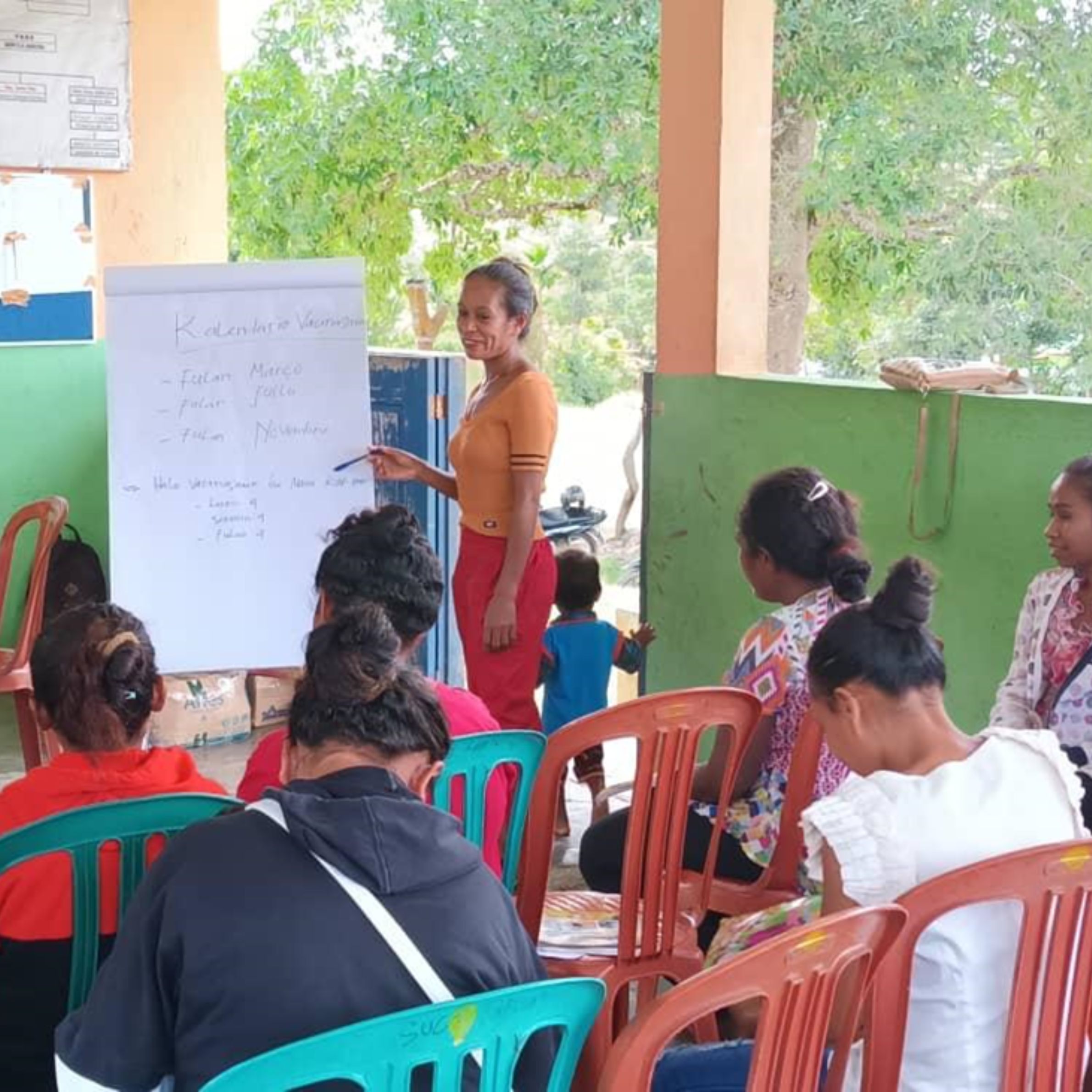
Veronica and her fellow neighbors attending a CWS chicken info session

Veronica Cares for Her Chickens to Care for Her Family

Veronica de Sousa and her husband Joanico Pereira live on the very top of a mountain in a town called Faulebo in Timor-Leste. Timor-Leste, also known as East Timor, is a mountainous country on the island of Timor in Southeast Asia. A large part of Timor-Leste’s population lives in remote areas and relies on agriculture and livestock to make an income. 

Like many of their neighbors, Veronica and Joanico rely on the income they generate from their vegetables and chickens to care for themselves and their two young children. Due to outdated practices, however, Veronica and Joanico used to leave their chickens outside of their coop to find their own food. This has led to many of their chickens dying because of diseases they pick up when searching for food. 

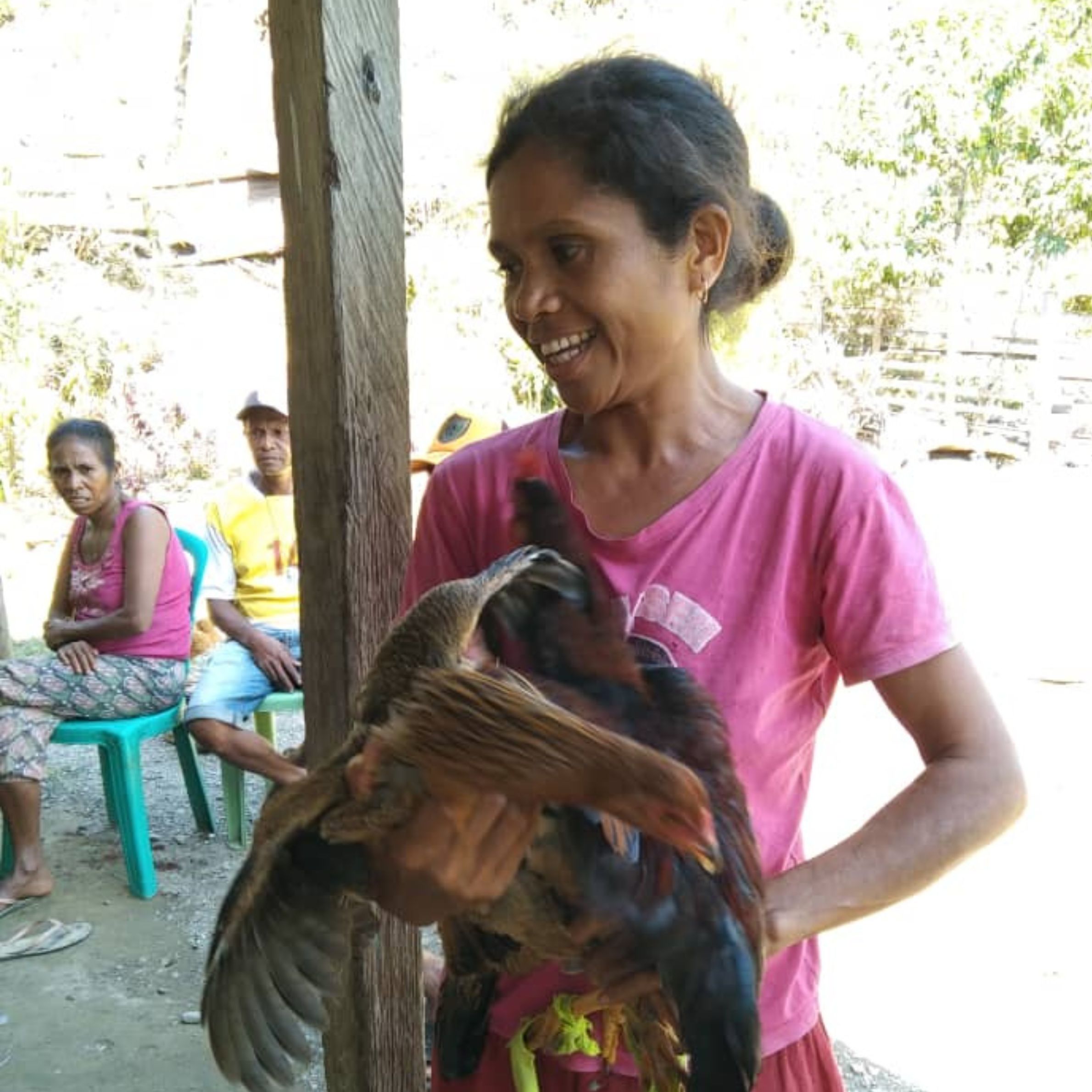
When Veronica was invited to attend a CWS chicken info session, she saw an opportunity to modernize and improve her poultry practices. At the training, Veronica learned how to feed and vaccinate her chicken and other updated practices to ensure longer and healthier lives for her chicken. She elaborated, “we never had the opportunity to attend any training. This time we got new knowledge about raising chickens and also got materials, such as nails, to make chicken coops.” 

Through the support of our partner, Latter-day Saints Charities, we have invited 25 other families like Veronica’s to attend training sessions and improve their ability to raise chickens. By providing these families with the tools that they need, we are helping build a more stable future for themselves and their children. 


Stories of Change


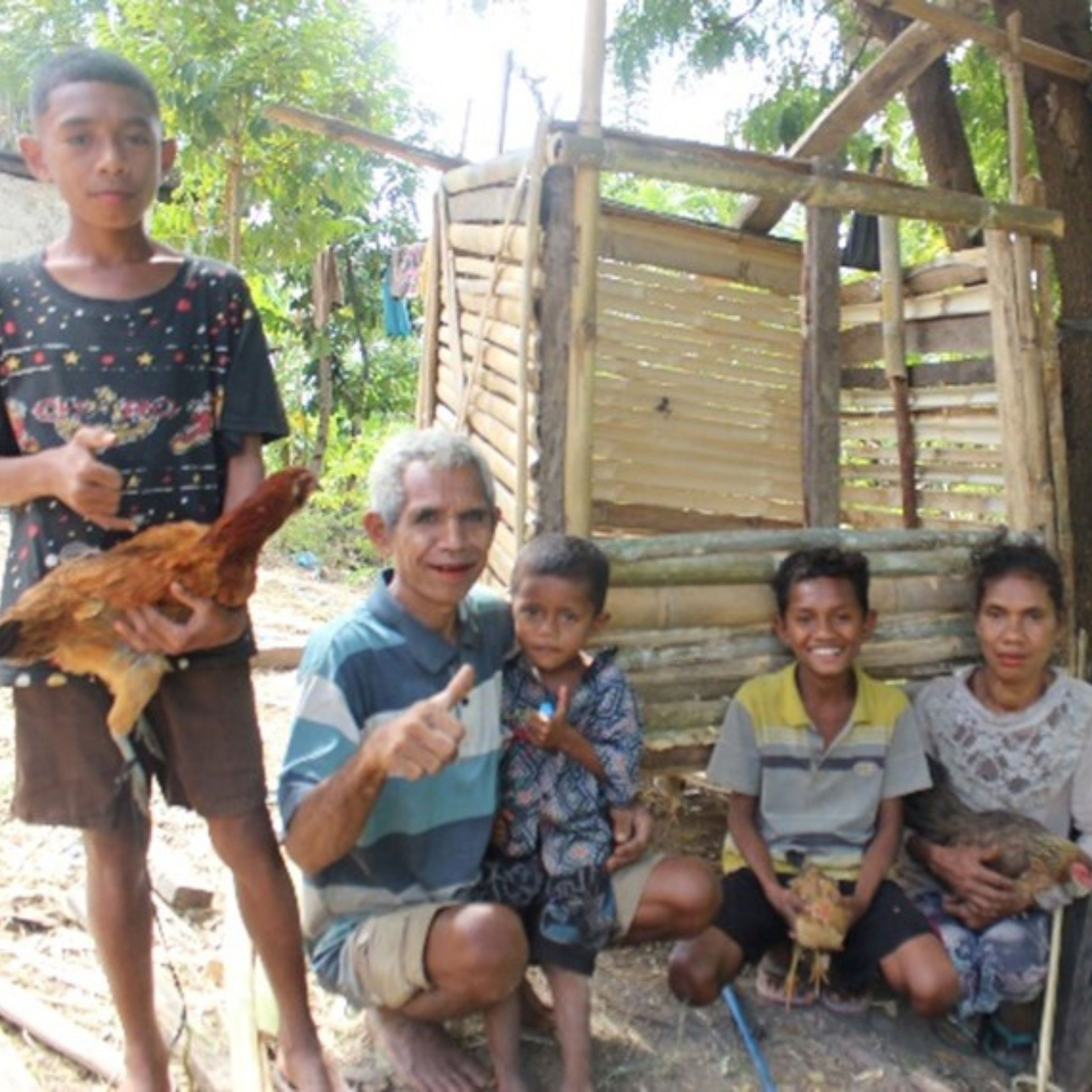
Adel and her family next to their chicken coop

How Adel Turned Two Hens and One Rooster Into a Brighter Future

What can one rooster and two hens do for a family in Indonesia? We found the answer to that question when we met Mrs. Adel Regina Piut in the small town of Oelbiteno. 

Through our Giving Machine Program, which is supported by Latter-day Saints Charities, Adel received cash assistance and three chickens. Using the cash assistance they received, Adel and her husband built a coop for the chicken. She told us, “we also made the roof and door of the coop so that the chickens can lay eggs safely.” 

Adel and her husband had owned chickens before but struggled to keep them alive. The chickens would usually sleep outside and search for their own food which led them to die from various diseases. By attending our info sessions, Adel learned about modern methods for caring for chickens including the importance of vaccinating them. She explained, “I didn’t know that chickens also needed to be vaccinated. We also didn’t know there were officers who came to vaccinate them. I thought only cows need to be vaccinated. ” 

Adel now plans to maximize her resources to develop a better future. She said, “we will take good care of the chickens so that they can breed a lot. In the future, we will build a bigger cage.” Adel plans to use the chickens she breeds to feed her family and increase her income. Her goal is to use the money she earns from her chickens to buy pigs and pay for her children’s education. With her one rooster, two hens, and hopeful perseverance, Adel is paving the path for a better life for herself and her family. 


Stories of Change


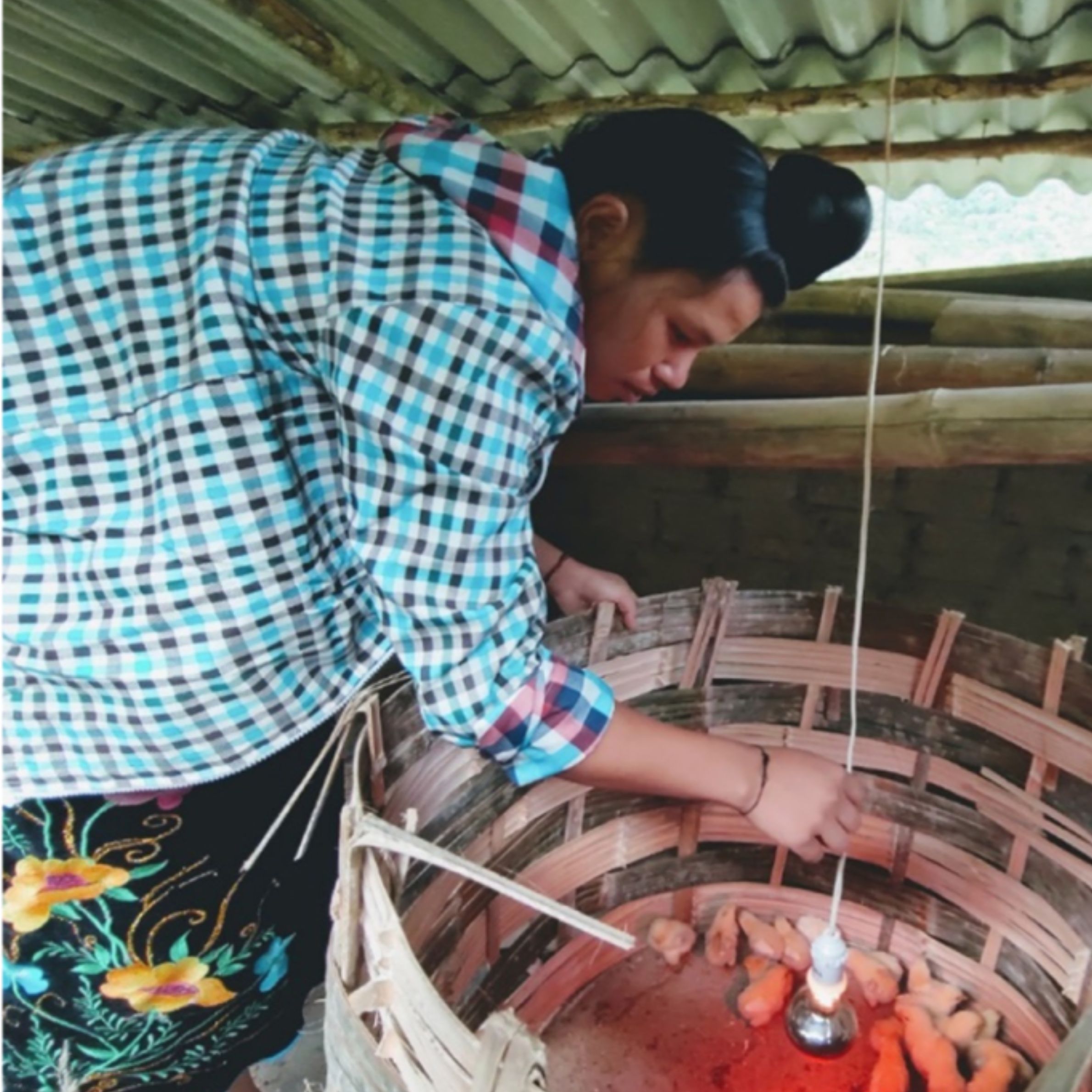
Anh with her chickens.

Ms. Anh Learns a New and Valuable Skill

In the green mountains of Vietnam exists a small town known as Pa Chit Tau. This town is inhabited by 25 families who are all from the Thai ethnic minority group and make their living off of agriculture or livestock. These families all live spread out, which means that many do not have access to electricity. Due to the nature of this town, most residents live in poverty and struggle to maintain a stable income.

Ms. Lo Thi Anh lives in Pa Chit Tau with her family and makes a living from cultivating rice, maize and cassava. Others in her family have attempted to raise livestock but have struggled to care for the animals and prevent them from getting diseases. Due to these difficulties, Anh and her family have been unable to maintain a stable income. 

When Anh heard about the CWS chicken-raising project that is supported by Latter-day Saints Charities, she became interested and excited about the opportunity. She explained that, unlike the other families who didn’t want to join due to their lack of knowledge on how to raise chickens, she was excited to learn. 

Anh and her family attended info sessions, where they learned how to build proper chicken coops, how to select breeders and how to raise baby chicks. Excited by her new knowledge, Anh hurried to gather the materials she needed to start raising her new baby chicks. She shared with us, “now I understand that the new way to raise chicken is not as complicated as I thought. In fact, we can use materials available in my family like bamboo and wood to save money for our initial investment. Now I know how to raise newly hatched chicks and how to vaccinate them properly to avoid diseases.”

Filled with excitement and knowledge, Anh is generating a new source of income that will help create stability for herself and her family. Her confidence and eagerness to try new things have allowed her to lead her family towards a better quality of life. 


Stories of Change


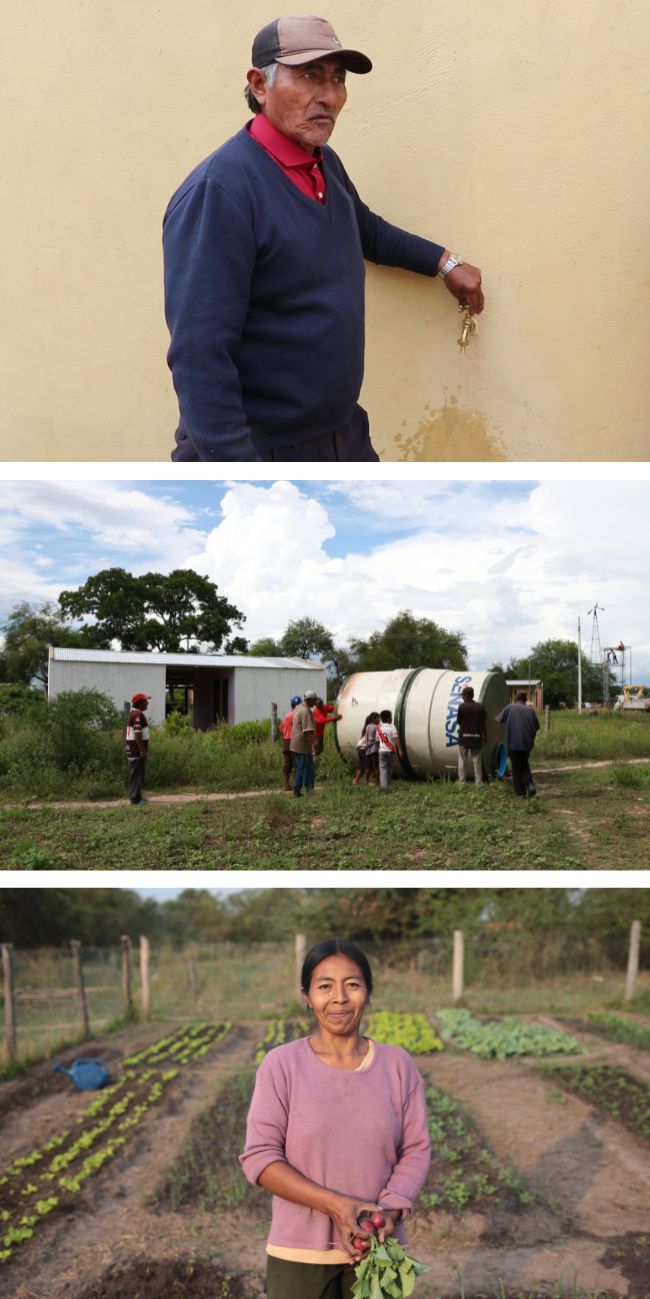
Top: Niño Gómez. Middle: Monte Alto’s new water tank. Bottom: Odilda Gómez stands in front of local garden

Water and Opportunity Spring Up For Local Farmers in Paraguay

Over the past year, Paraguay has faced record-breaking heat waves and severe droughts. This has been especially devastating for local farmers who produce crops such as yuca, watermelons and pumpkins. Inaccessibility of water has affected farmers’ ability to produce crops and has forced them to walk far distances daily to reach clean water. 

 Niño Gómez and his neighbor Odilda Gómez live in the Paraguayan Gran Chaco in a town called Monte Alto, which has been severely affected by the unpredictable climate. (Nino and Odilda are not related- Gómez is the most common surname in Monte Alto). Niño recalls, “we had to spend the day walking very far to get water.” Odilda added, “we suffered a lot from floods and droughts. There was nothing. There were no fish or other food sources.”

Niño and Odilda’s families were two of the 136 families in our program in the Gran Chaco which aims to support indigenous communities’ food security. Through her participation in our program, Odilda received seven sheep and attended our training on water use, consumption and vegetation care. Odilda shared, “I am very grateful to you [CWS]. Now there are more sheep to raise them for consumption.” 

The Monte Alto community also received a 2,600 gallon storage tank (for a mental picture, that’s about 5x the size of a standard hot tub) for water, and the community has been invited to training sessions on safe water consumption. Now, water is easily accessible for consumption and crops. “Now we have water to drink and for our plants and vegetable gardens. The children have clean water too. We want to say thank you,” Niño shared. 

Last month, seven active gardens were established in Niño and Odilda’s community and three more will be developed in the next few months. Through the support of our local partners, we will have also invited other nearby communities to participate in our program. By the end of this year, we hope to reach 240 families and help them have better access to water, resources and knowledge on food security and crop production. Little by little, we hope to build stronger communities that can adapt and thrive in our changing environment. 

Our program, “Rural Development in Indigenous Communities of the Lower Paraguayan Chaco,” is implemented alongside our partner Pastoral Social Diocesana Benjamín Aceval. It is supported by the Evangelical Lutheran Church in America and Growing Hope Globaly.