Stories of Change


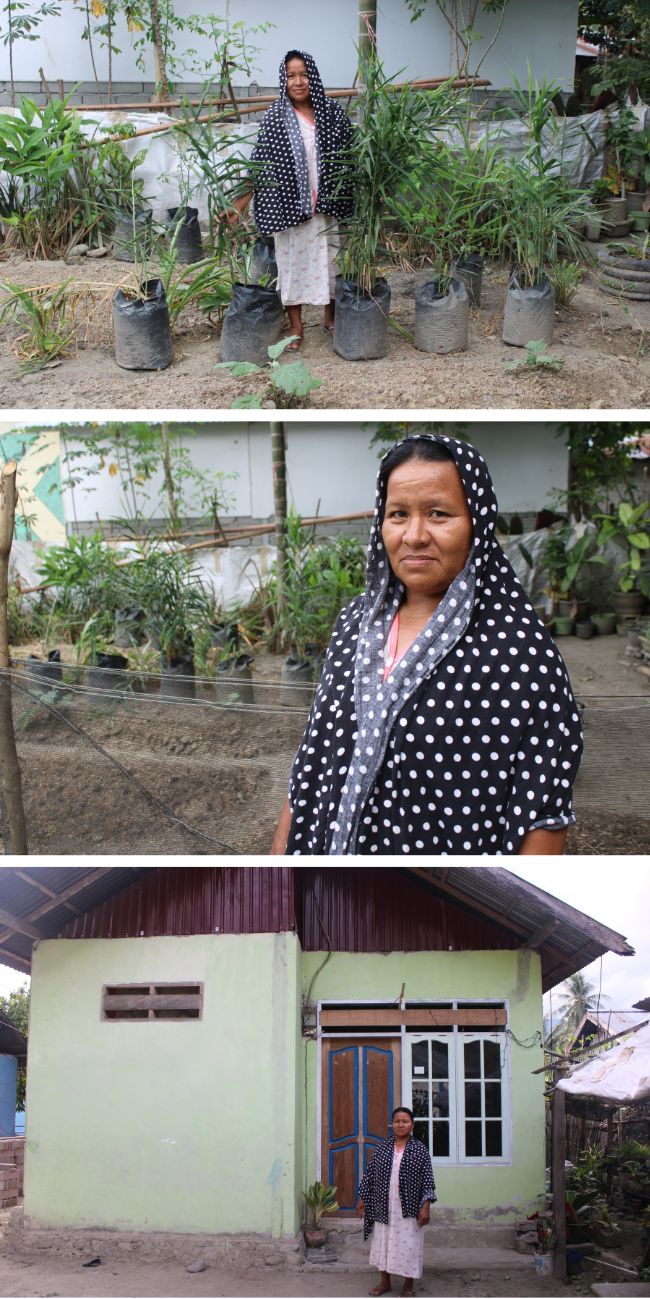
Pictured: Azria at her home and garden

Azria’s Newfound Support

Over the past couple of years, Azria’s home in Indonesia has become more and more empty. Her two sons married and moved away and her husband, unfortunately, passed away in 2019. Left to care for herself, Azria has depended mainly on her garden to earn an income.

In her garden, Azria grows corn, pepper, long beans, bananas, ginger, sere and turmeric. She told us, “when the harvest was abundant, I consumed some of it and sold some to my neighbors.” Unfortunately, due to climate change Azria’s harvest decreased and she was not making enough money to cover her expenses. She decided to become a day laborer to make up for the decrease in her income. As a day laborer, Azria only makes about $3-$5 after a full day of hard work.

In October 2022 Azria finally found some relief when she was invited to join a CWS-supported women’s savings group. Through this savings group, Azria and the other members save a little bit of their income each month and pool it with the group’s savings. This allows them to take out “loans” whenever needed and have greater financial stability.

Since joining the group, Azria has also participated in information sessions about how to maximize her income. She shared, “I’m happy because, in the monthly meetings, there are always new things that I learn such as information about the weather so that I no longer have to predict when to plant, information about how to plant for better results, information about savings and loans and even information and practice on how to make tortillas. I’m happy because group activities have made me realize that not having a diploma does not limit me from earning more income”

Through her determination and commitment to learning, Azria is learning new skills and securing a stable future. Most importantly, she has discovered that thanks to her encouraging community, she never has to depend on herself alone.


Stories of Change


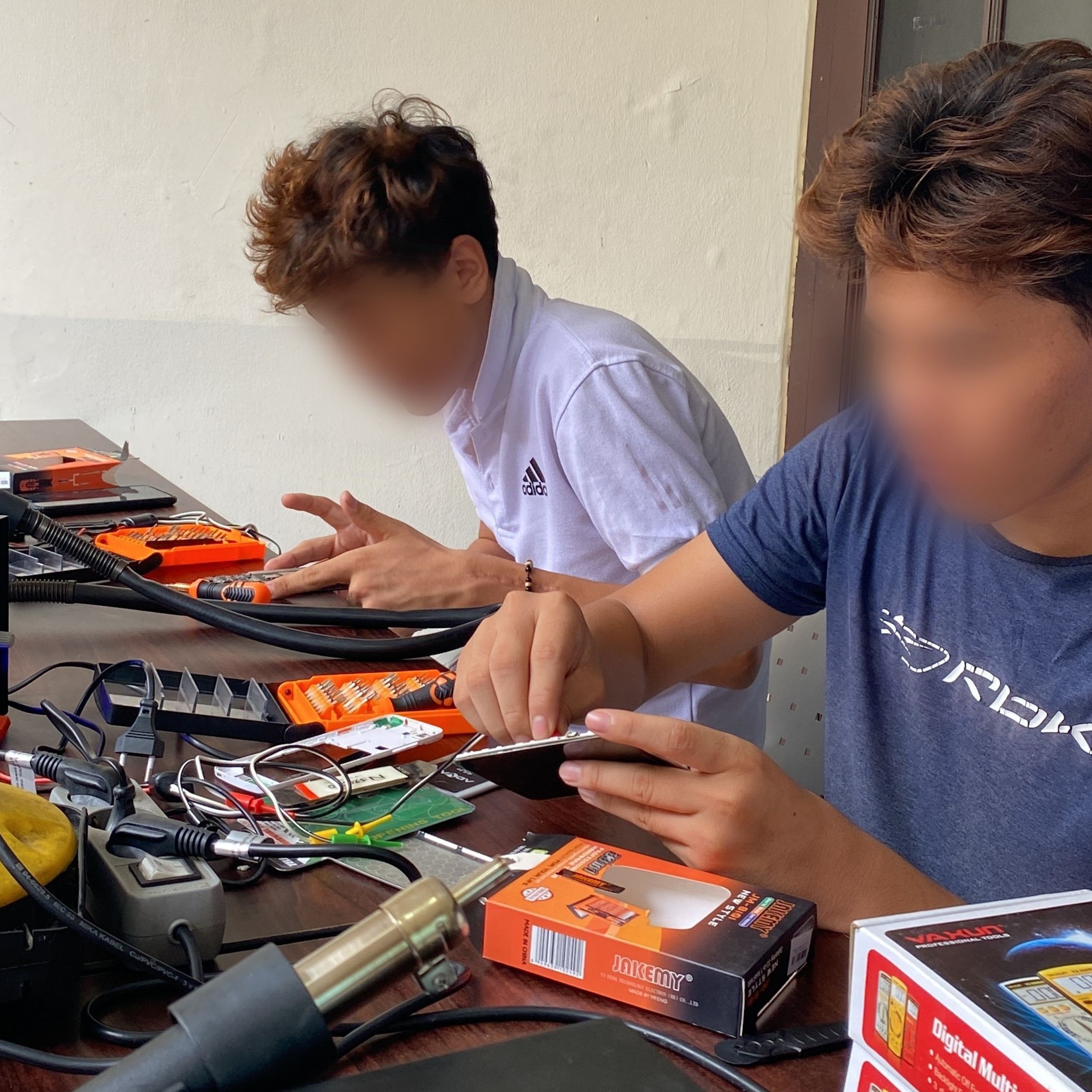
Noor and Farid in a vocational class

The Gift of Love and Friendship

Throughout our programs, around the world, love is always present regardless of any difficult situations our program participants may be experiencing. At our group homes for young refugees in Indonesia, there is a kind of love that is fully alive: the love of friendship. This Valentine’s Day we are celebrating two young boys whose profound love for one another has made them like brothers and brought joy into their lives.

In 2019, 10-year-old Noor and 12-year-old Farid arrived at one of our group homes run through our program for unaccompanied refugee youth known as PURE*. Noor and Farid are both from Afghanistan and due to their shared experiences, they bonded quickly. Noor and Farid are now 14 and 16 and have become inseparable over the past four years.

Since Farid is two years older than Noor, he has also taken up the role of a big brother for Noor and enjoys looking out for him, giving him advice and being a reliable shoulder to lean on. Every day Noor and Farid like to partake in all activities together. They participate in the same cooking and chore group, play games together, work out and play sports together, study together and go to classes together. If you see Noor, chances are you’ll also see Farid. The two are just like two peas in a pod.

As young refugees from a country that has been devastated by war and violence, Noor and Farid have experienced more hardship than any child should ever have to experience. Despite the challenges life has thrown at them, however, the two boys have discovered one of the greatest gift life has to offer: friendship and love for one another.

*PURE which stands for, “Protecting Urban Refugees through Empowerment” is a CWS-run program in Jakarta, Indonesia, that helps unaccompanied refugee youth and asylum seekers navigate life in their new home. The program provides shelter and community and offers classes and vocational training to teach the youth life skills and help them develop a stable livelihood.

Note: Photo has been blurred and pseudonyms have been used in this story to protect the safety and identity of minors


Stories of Change


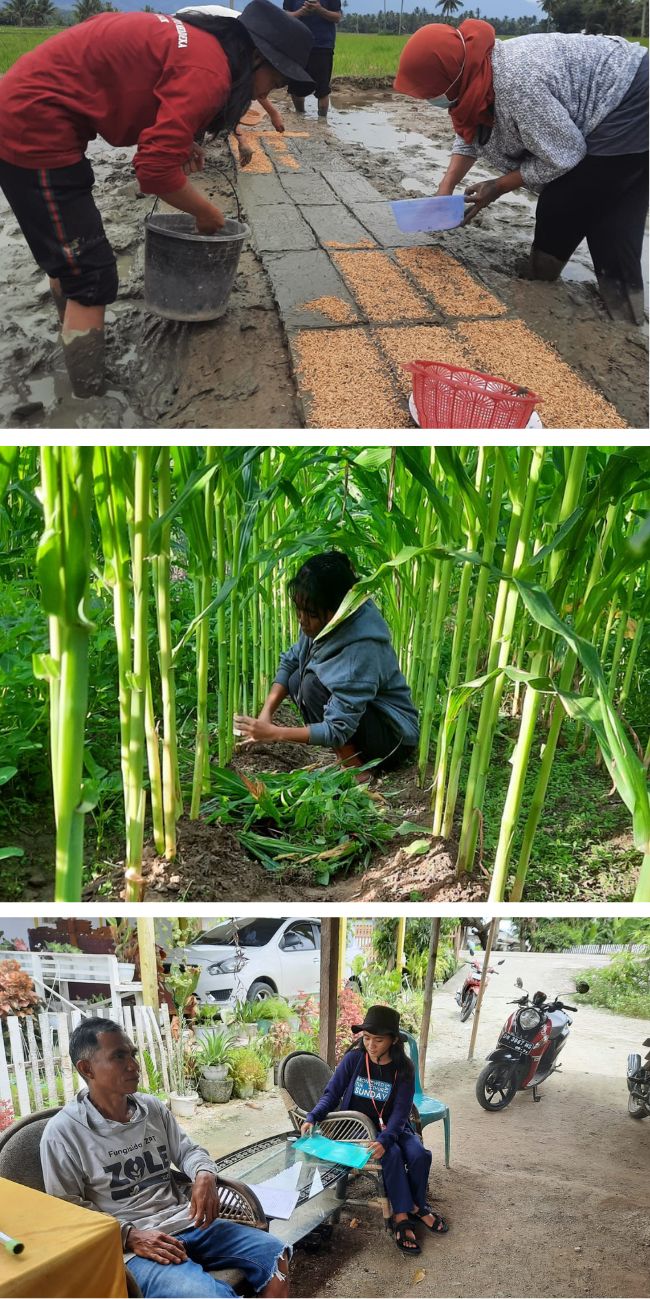
Top: Vicha and other farmers rice seeding, Middle: Vicha planting corn, Bottom: Vicha collecting data for farm groups

Vicha and the Power of Learning

On most days, you will likely find 21-year-old Vicha exploring the world from the comfort of her home in northern Indonesia through various books. Vicha is the oldest of three siblings and is passionate about learning and caring for her family. When her father passed away in 2019, Vicha decided to dedicate herself to practicing and learning about agriculture. Now, when she’s not snuggled up with a book, she’s likely with her mother at their garden, where they work together to produce a harvest they can sell or cook to feed their family.

Vicha knew that by learning more about agriculture, she could increase the quality and quantity of their harvest and share her knowledge with other farmers in her district. When she was younger, Vicha dreamed of becoming a doctor. This desire to care for others is also present in her new career path as an agriculturalist. In pursuit of this career, Vicha applied for and earned a scholarship to pursue a degree in agriculture at Tadulako University. She is now in her 8th semester and is working on her final project.

Recently, Vicha’s university partnered with CWS’ local partner, INANTA, to invite students to participate in our program, DREAM 2. By joining the program, Vicha has been gaining field experience while learning about irrigation systems, land management, organic fertilizers, organic pesticides, climate-smart agriculture and agricultural product marketing. Since Vicha had to learn through online classes during the pandemic, she is especially thankful for the hands-on experience. She also shared that the program has allowed her to collaborate with her community through farm groups that focus on rice seeding. Through these groups, she is part of a collaborative effort to care and provide for her family and neighbors.

Vicha told us that she believes education can eradicate poverty and lead her to a life full of hope. She is grateful for her family’s support and the opportunities she has received and hopes that other youth like her will have the same opportunities. Through education and compassion for her community, Vicha has become a leader and change-maker, ready to inspire others and make an impactful difference.


Stories of Change


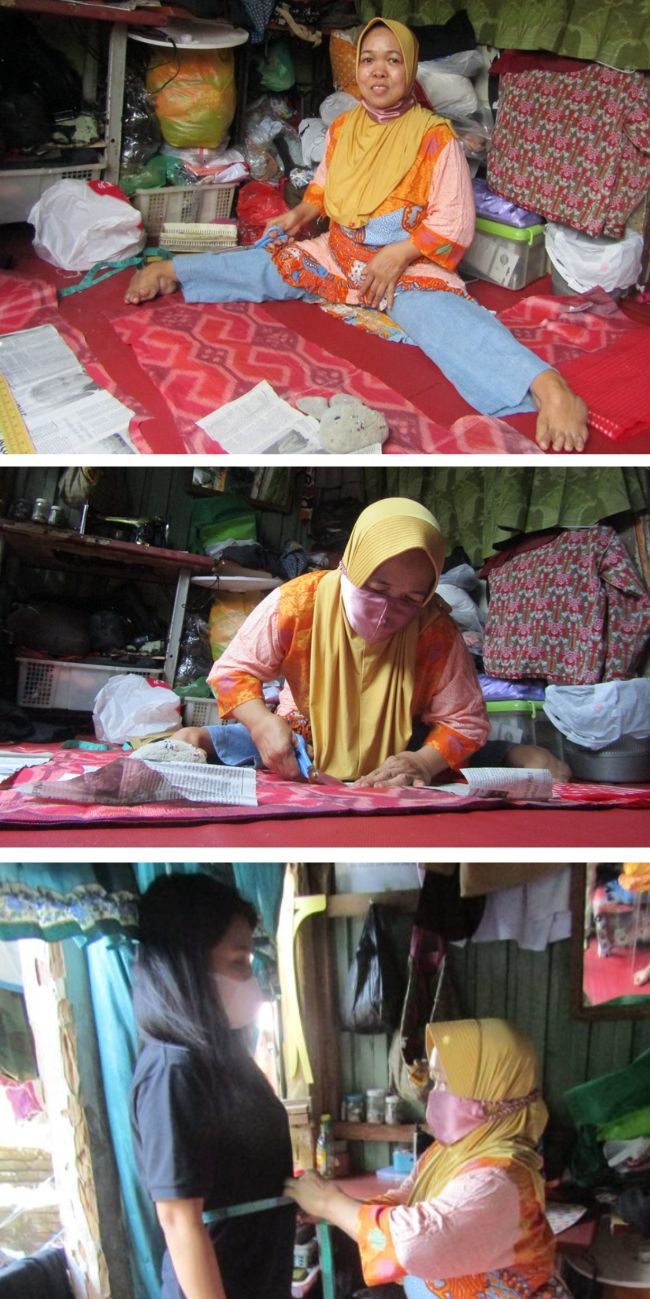
Andi working in her sewing shop

Andi Crafts a Wonderful Life

On an average day, you will likely find Andi Marlina working hard in her sewing shop, which is full of colorful fabrics and tools. Andi is a skilled tailor in Makassar, a big and bustling city in Indonesia. While her skills and abilities are already impressive, what makes them even more remarkable is that to achieve them, Andi had to break through many barriers.

Andi was born with a physical condition that prevents her from being able to use her legs. She grew up in a remote town where there is heavy stigmatization of people with disabilities. She explained, “many people said that with my disability, I would never work or have a family.” Despite the constant negative comments she received, Andi always believed in herself. When she was 15, she moved to the city in search of a job.

In Makassar, Andi was invited to participate in a sewing school* for people with disabilities, where she studied for three years. After graduating, Andi started her own sewing business, which was so successful that it drew attention from clients like the Mayor of Makassar and the governor of South Sulawesi’s wife. Andi was devoted to her work and maintained a thriving business for many years. Unfortunately, when COVID-19 hit and the city was forced to shut down, her business experienced a major blow. She told us, “there was even a time when I did not receive any orders during an entire month. At that time, I only relied on the support of my family and neighbors to meet daily needs.”

When our team in Indonesia and our local partner, INANTA, learned about Andi, we invited her to participate in a program that provided economic relief to vulnerable business owners during the pandemic. With the cash assistance, Andi was able to buy materials and tools she needed to maintain her business. She said, “I am very grateful for this assistance. I used it immediately to shop for materials and tools, such as thread, fabric, zippers and more.” Andi also shared that she was very happy to see that her friends, who also have disabilities, were also invited into the program.

Andi’s commitment to her work proved those who doubted her entirely wrong. Not only is she a successful businesswoman, but she also has a beautiful family with her husband and three children. Just like the clothing she creates, which is beautiful and made with care, Andi has crafted a wonderful life for herself and her children.

*This sewing school was through the Bina Daksa Wirajaya Social House and is managed by the Ministry of Social Affairs of South Sulawesi Province.


Stories of Change


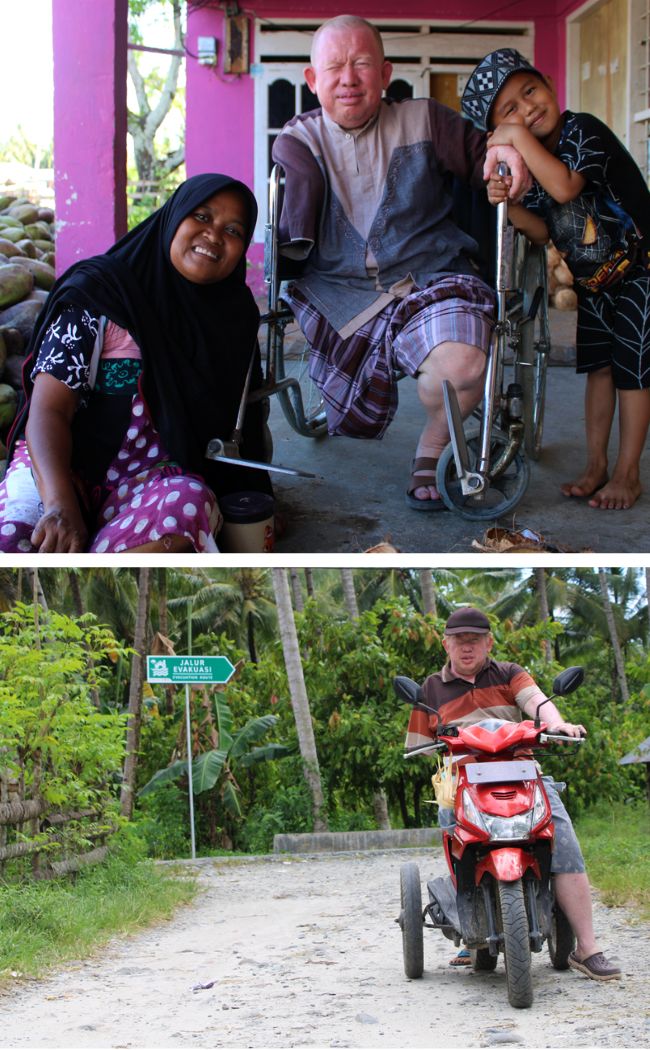
Top: Moh Zain and Karmila with their son, Bottom: Moh Zain on his modified motorbike

Moh Zain Perseveres

For most of his life, Moh Zain, who lives in a small town in Indonesia, felt like he didn’t belong. As a person with albinism and visual impairments, Moh Zain struggled to connect and socialize with the other members of his community and found it difficult to make a living. Unfortunately, Moh Zain’s troubles were exacerbated in 2015 after an accident which resulted in the amputation of his right hand and leg.

Despite the many trials and tribulations he faced, Moh Zain was determined to make a living and be an independent adult. His motivation led him to enroll in a two year local training series. Moh Zain built skills to create a stable livelihood and participated in mental health sessions to improve his overall wellbeing. As it turns out, Moh Zain also opened his heart and fell in love with another program participant, Karmila. Following the training, the two continued on their journeys together as life partners.

After the training sessions, Moh Zain became a coconut and corn farmer and joined a farmers group. With a new passion for life, and a modified motorbike that he uses to move around, Moh Zain was ready to learn and get to work.

In 2021, CWS staff visited the farmers group Moh Zain had joined and were invited to attend a series of meetings to develop a community action plan regarding climate change. Since attending these first meetings, Moh Zain has become an active participant. He has teamed up with CWS to develop disaster risk reduction plans, led outreach to people with disabilities, distributed information about disaster risk reduction plans and attended training sessions on manufacturing liquid fertilizer. He shared, “I went to these activities because I wanted to learn about organic farming,” and added, “I am also happy to be involved in disaster risk reduction document creation because I can help by providing input.”

At their home, Karmila has opened her own sewing business and helps sell the coconuts Moh Zain grows. The two are now a family of three, and are excited about the future they are building for their son. Moh Zain shared with us that he has really enjoyed participating in CWS’ activities. He said, “I want to be involved in activities like others. When I participate in these activities, I also want to be treated the same way as everyone else. Through this program, I feel that my prayers have been answered.”

Moh Zain has become a key member and leader in his community and is helping protect generations to come from the effects of climate change. His disabilities did not hinder him. Instead, Moh Zain continues to show the world how capable he is and is using his skills and abilities to make the world a better and safer place for all.

*This training series was hosted by Social Services of Central Sulawesi Province in collaboration with the Center for Social Rehabilitation of People with Physical Disabilities.


Stories of Change


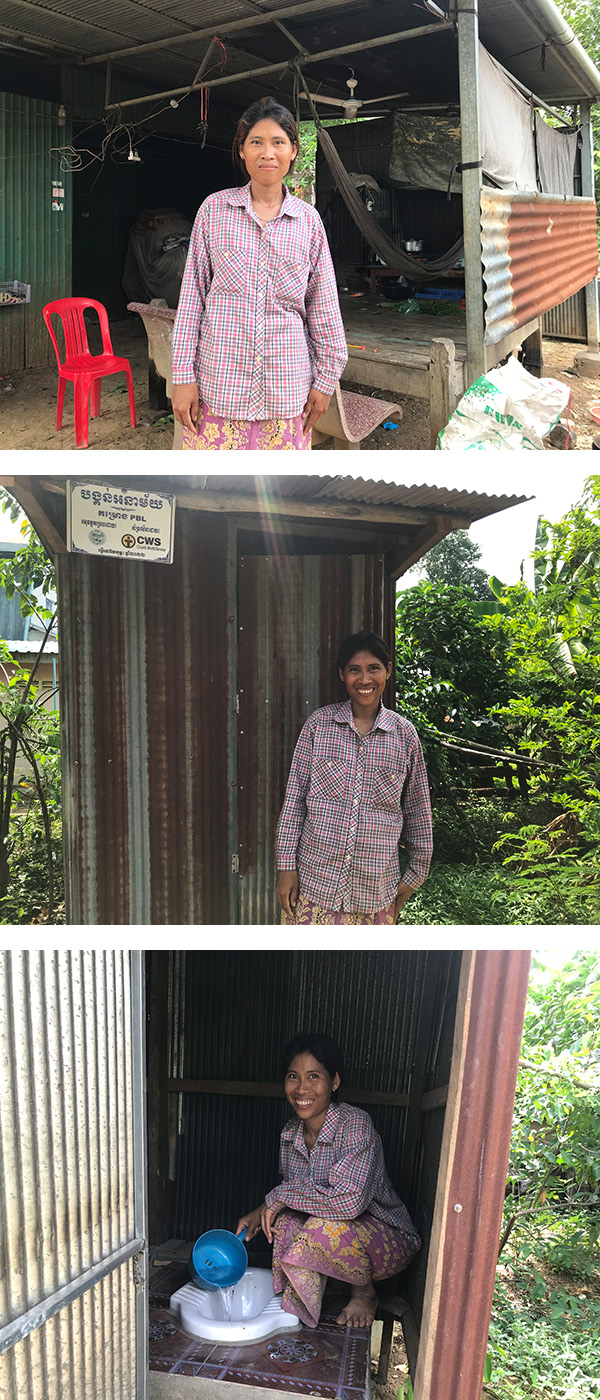
Top: Thary in front of her home. Middle: Thary in front of her new bathroom. Bottom: Thary cleans her new latrine.

A New, Sanitary Toilet for Thary and Her Family

Voeun Thary and her husband, Mom Chenda, are raising their three children in western Cambodia. The family’s main source of income comes from seasonal daily wage labor; Thary and Chenda can earn between $7.50 and $15 each day. However, this work isn’t a guaranteed income and may not be available every day. The family lives in a small home that doesn’t have some of the basics that so many people take for granted, including running water or a flushing toilet. 

“My family and I practiced open defecation,” Thary admitted. This is all too common for millions of neighbors whose only option is to use streams or fields to relieve themselves. “It was really difficult, and we felt embarrassed. I wanted to build a latrine for my family to use, but we couldn’t afford it,” she said. 

CWS’s local partner Rural Development Association met Thary in February 2022. It was part of the ongoing outreach work in the CWS Promoting Better Lives program, in which RDA staff meet with especially poor or vulnerable rural families to help them meet their basic needs. RDA staff teamed up with Thary and local authorities to construct and install a new latrine at Thary’s home. As a program participant, Thary also had access to a class on water, sanitation hygiene. She learned about household water treatment, personal hygiene and environmental sanitation, including the harm of open defecation. 

“I am so happy for the support to have a sanitary latrine,” Thary said. “Thank you so much to CWS and RDA for the latrine support. It is so convenient and easy to access, and I no longer have to go out to the field for defecation at night or when it’s raining. My family understands and practices good hygiene, and now our health is much better. We rarely get sick, so now we are able to reduce some of the financial burden of health treatment, unlike before.” 


Stories of Change


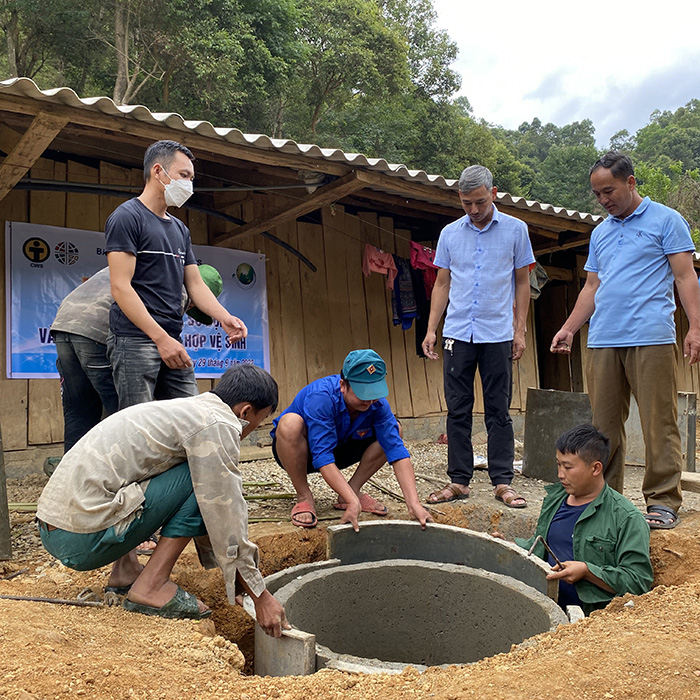
Participants in a hands-on, technical training in Hua Chit learn how to build a sanitary latrine.

Building Sanitary Latrines in Hua Chit Village, Vietnam

In the village of Hua Chit, high in the mountains of Ta Hua commune in Vietnam, 46 families live without access to sanitary latrines. The small village is home to 211 people, all of whom are part of the H’Mong ethnic minority group. Due to the limited access of sanitation facilities, many families would relieve themselves near the local stream or behind their homes, which posed health risks for the community.

“People in the village have had a long habit of defecating outside—near the stream or in the forest, on the upland field or behind the bushes near their house,” Mr. Khang A. Lau, Hua Chit’s general secretary, told us.

CWS hosted a Community-Led Total Sanitation event for local families to discuss the process of building sanitary latrines and health risks of open defecation. Participants were invited to join a technical hands-on training, where they learned how to make concrete rings for the foundation and use local materials, like bamboo and wooden planks, to reduce building costs.

“I didn’t think building sanitary latrines would be so simple and cheap,” said Mr. Lau. “It costs about 1.3 million VND [$60] for construction materials to make concrete rings and the roof. Thanks to the training, we will be able to build latrines ourselves without depending on outside workers. In addition, it is now convenient for villagers when they want to build a sanitary latrine.”

Since participating in the CWS-supported training, Hua Chit has 16 new latrines, and its community members have already set a goal for every family to have their own sanitary latrines by early next year.

We’re proud to walk alongside our neighbors in Hua Chit as they take steps towards healthier futures.


Mobile Health Units Provide Relief in Pakistan


October 18, 2022

About 1/3rd of Pakistan is still under water, following the devastating floods which have wreaked havoc for four months across the country since mid June. About 1,500 people have died and 33 million are suffering the loss of their homes, livestock, crops and livelihoods. While communities are working to recover, they are combatting new challenges brought by the floods. Through …

Stories of Change

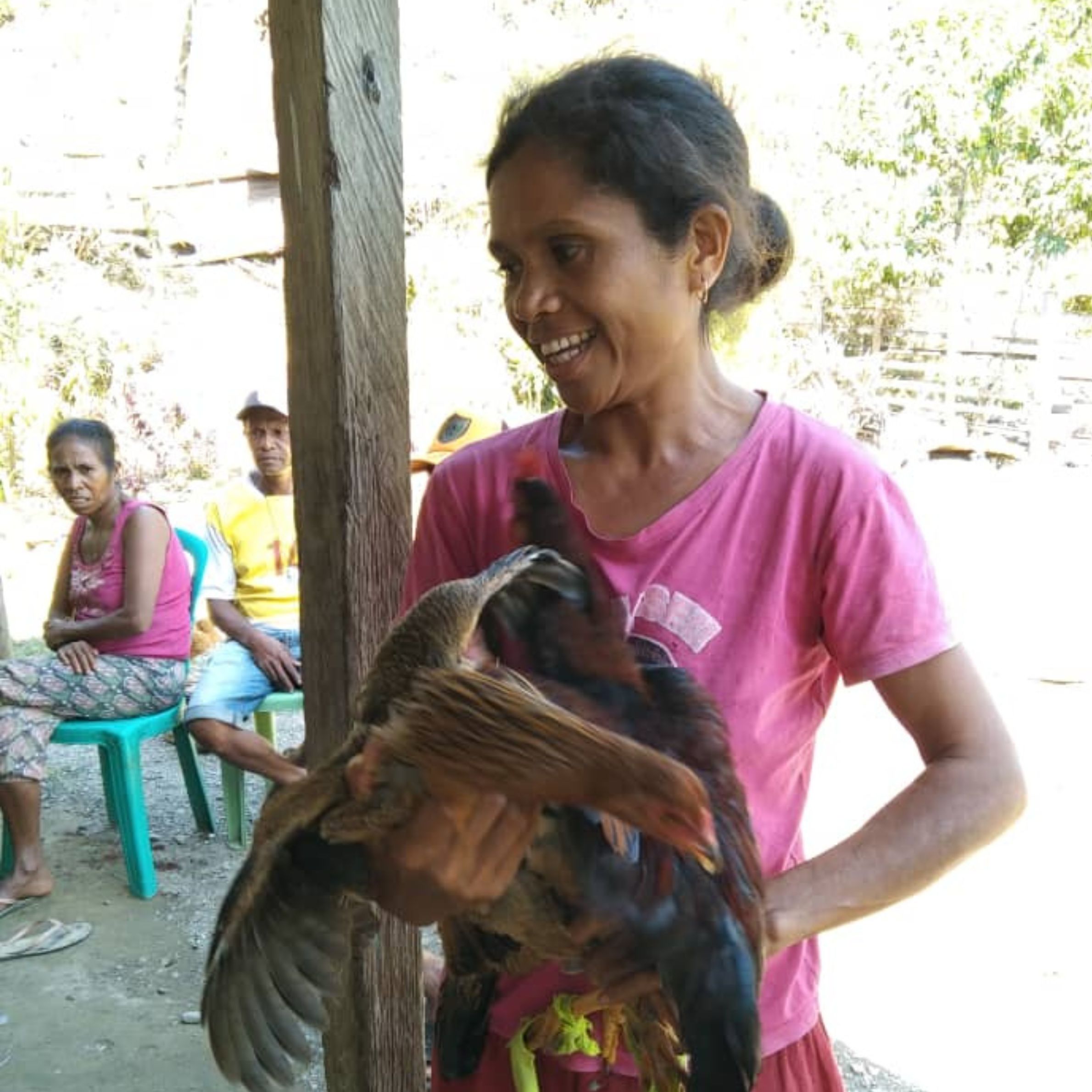
Sebatiana with one of her chickens

Fighting Poverty with the Help of Chickens

In Timor-Leste, many residents rely on agriculture to make a living. Unfortunately, due to the changing environment and water scarcity, farming is often not a reliable or stable income. Sebastiana Ximenes Babo, her husband, Jacinto Gonsalves and their four children have struggled with this in the small rural town that they live in.

Despite the long and laborious hours Jacinto puts into his work as a farmer, his income is rarely enough to support his family. Sebastiana shared that she makes an effort to feed her children a stable diet but that their income only permits two small meals each day, often of rice only. While the family has known for a while that maintaining livestock is a way to increase their income, they could never afford to buy livestock.

Fortunately, thanks to our Giving Machine Program, the family was able to receive three chickens at the lowest price possible: free! Jacinto participated in a training on how to care for the chickens, and the family was given materials to make cages for the chickens. Sebastiana shared, “I am very grateful. In the future I promise that I will take good care of the chickens, so they can lay many eggs and they can hatch into chicks. That way my family can not only eat, but also sell the eggs to earn an income which we can use to purchase other goods such as meat, milk and more.”

Thanks to their dedication to their new chickens and commitment to moving out of poverty, Jacinto and Sebastiana are creating a better future for themselves and their chickens.

We are thankful for our partner, the Latter-day Saints Charities  for their generous funding of our Giving Machines Program. Without their support, stories such as Jacinto and Sebastiana’s would not be possible.


Stories of Change


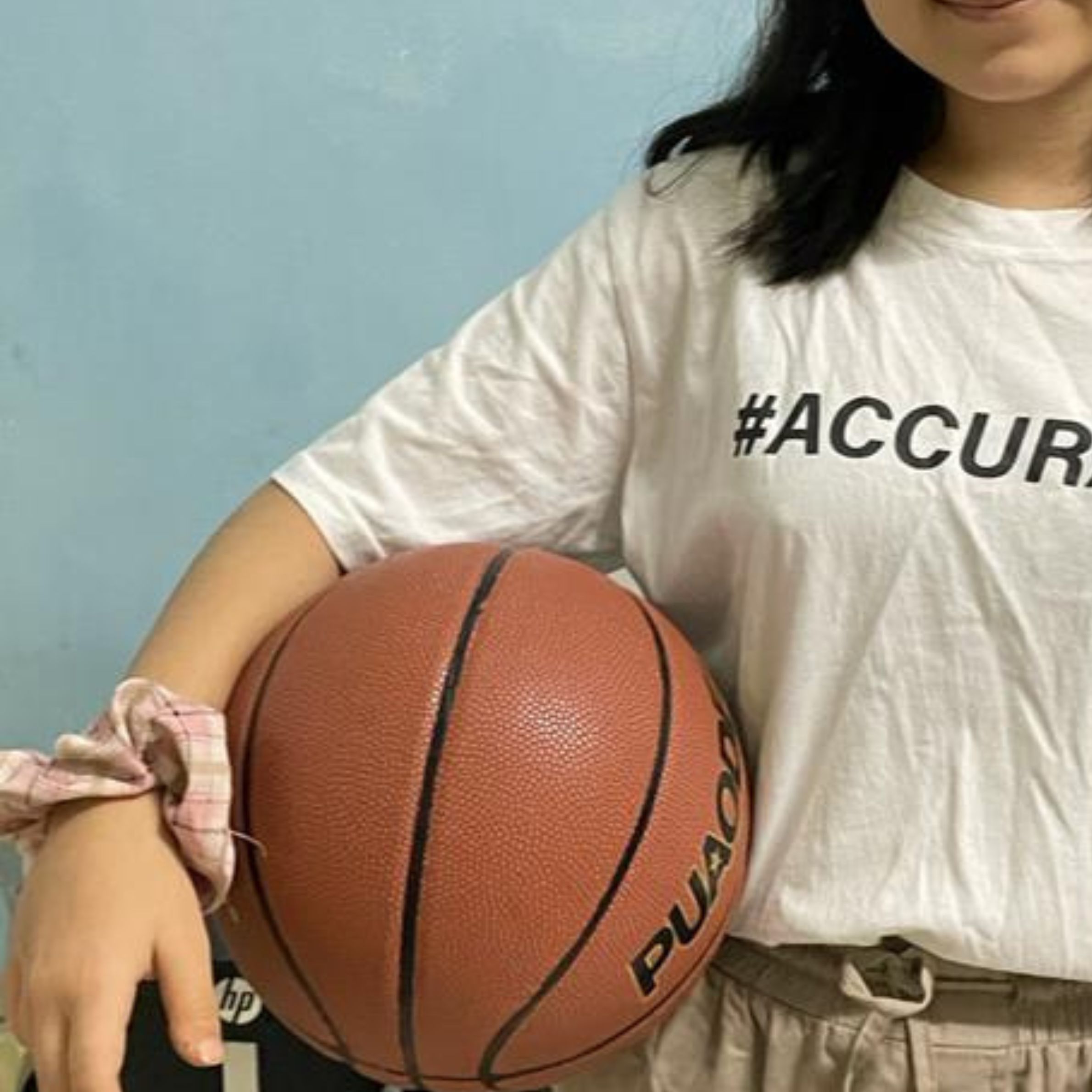
Nazanin with her new ball

Nazanin’s Love of Learning

Receiving progress reports in school is something that can be both nerve wracking and rewarding. Three years ago Nazanin, a 12-year-old refugee who lives in Jakarta, would not have been able to read her progress report because she did not know English nor Indonesian. This year, however, Nazanin can read the report and can feel proud of the positive remarks it holds: “Nazanin demonstrates a lot of interest in descriptive writing this term. She developed a clear introduction, organized her ideas into paragraphs and concluded her writing with some details.”

Since 2019, Nazanin has lived in a CWS-managed shelter in Indonesia for women and girls at risk. The shelter is part of our program Protecting Urban Refugees through Empowerment, also known as PURE, which empowers young refugees through community and education. Through the group home, Nazanin learned about the opportunity to enroll in classes at the Roshan Learning Center. With some help from her mother, Nazanin enrolled in English, mathematics, Indonesian language and computer classes. She told us, “I like to solve problems” and explained that because of this, her favorite subject is math. Nazanin also said that although learning can be hard, her creative and helpful teachers make it fun.

Nazanin’s commitment and excitement for learning have allowed her to improve her English significantly. Most recently, she was excited to realize that she no longer needs subtitles to watch movies in English. She also feels confident enough in her new language skills to spark a conversation with strangers.

In addition to stellar language skills, Nazanin’s love for learning is seen in her school attendance. Since she has missed very few days, she was recently awarded with a gift of her choice. Nazanin, who recently discovered a love for basketball, requested a basketball to use at a nearby park. With her new ball, newfound confidence and strong language skills, Nazanin can happily play outside and make new friends. She is looking forward to continuing her education and dreams of becoming a surgeon one day.

With a community who is there to lift her up, and a strong education, we can’t wait to see what Nazanin will achieve.