
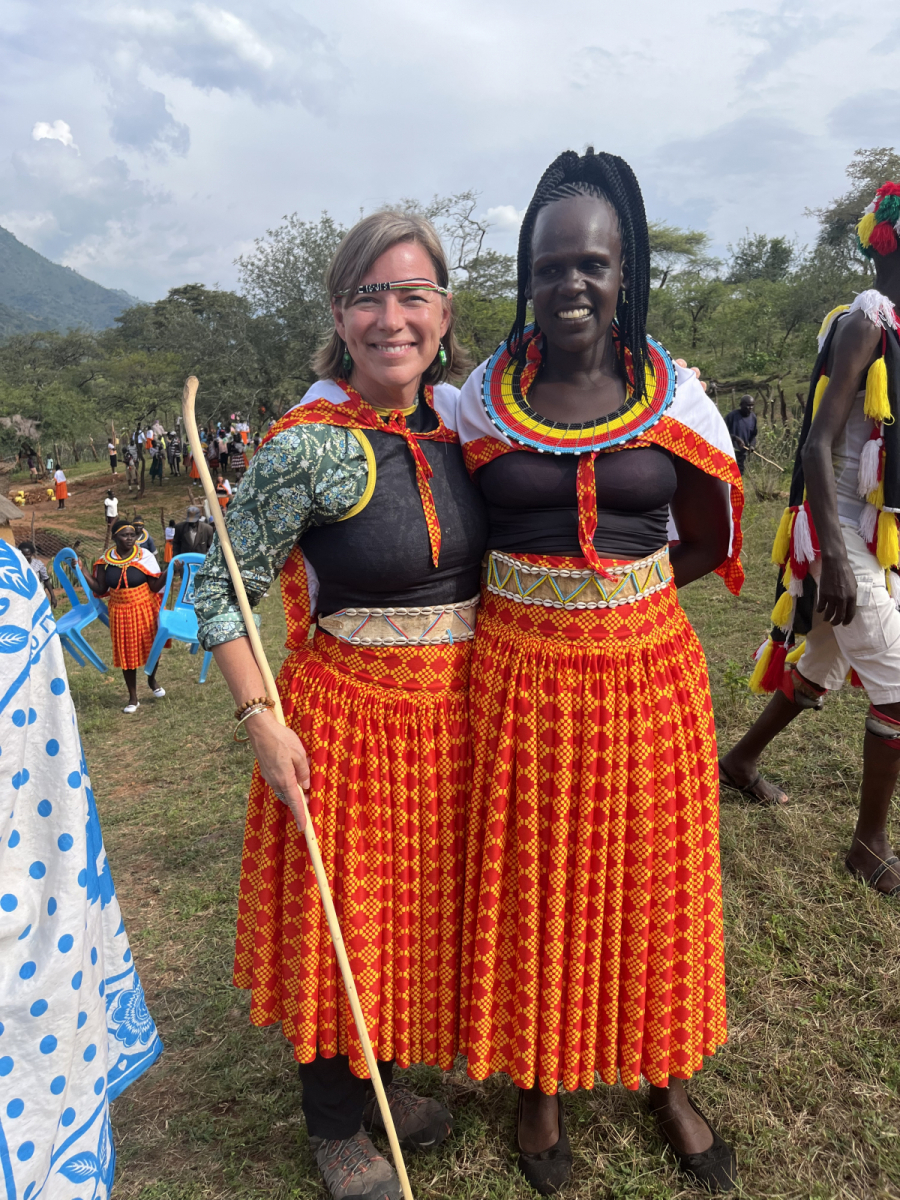


Women and girls in arid and semi-arid lands in Kenya are experiencing some of the harshest effects of climate change. As drought deepens and rainfall becomes unpredictable, families face growing threats to food security and stability. Yet despite these pressures, women are driving solutions rooted in resilience and community leadership.
On this International Women’s Day, we honor their leadership—and identify the path forward toward more equitable futures.
Where Climate Hardship Meets Gender Inequality
For millions of women around the world, the climate crisis isn’t abstract. The impacts are felt in the hours spent walking to gather water and changing rain patterns that cause livestock to perish, crops to fail and food stores to dwindle.
Women are often forced to navigate these pressures all while facing systemic barriers that prevent them from taking ownership of their land or income. CWS’s recent gender analysis in Marsabit county, Kenya revealed that women in arid regions hold fewer than 30% of household decision-making roles, own less than 15% of large livestock and only 31% of women participate in decisions around household food and nutrition.
These patterns highlight a wider truth: climate pressure is deepening existing gender inequalities, concentrating the heaviest burdens on women while limiting their influence over solutions.
But when women gain access to income, resources and decision‑making space, transformative shifts follow. Time spent fetching water can drop up to five hours each day, and rates of gender-based violence fall by 40-60%.
In households and communities around the world, women remain the backbone of resilience. Their leadership is not the exception but the engine of survival and hope.
Recommendations for Action: Transformative Pathways Forward
CWS’s research shows that meaningful change requires more than technical fixes—it demands transformative, community‑centered approaches. The following strategies point the way forward:
- Pair women’s economic empowerment with shifts in gender norms. Economic gains alone aren’t enough. When paired with dialogues that engage men and boys in reshaping harmful norms, communities see stronger collaboration, reduced violence and more equitable homes.
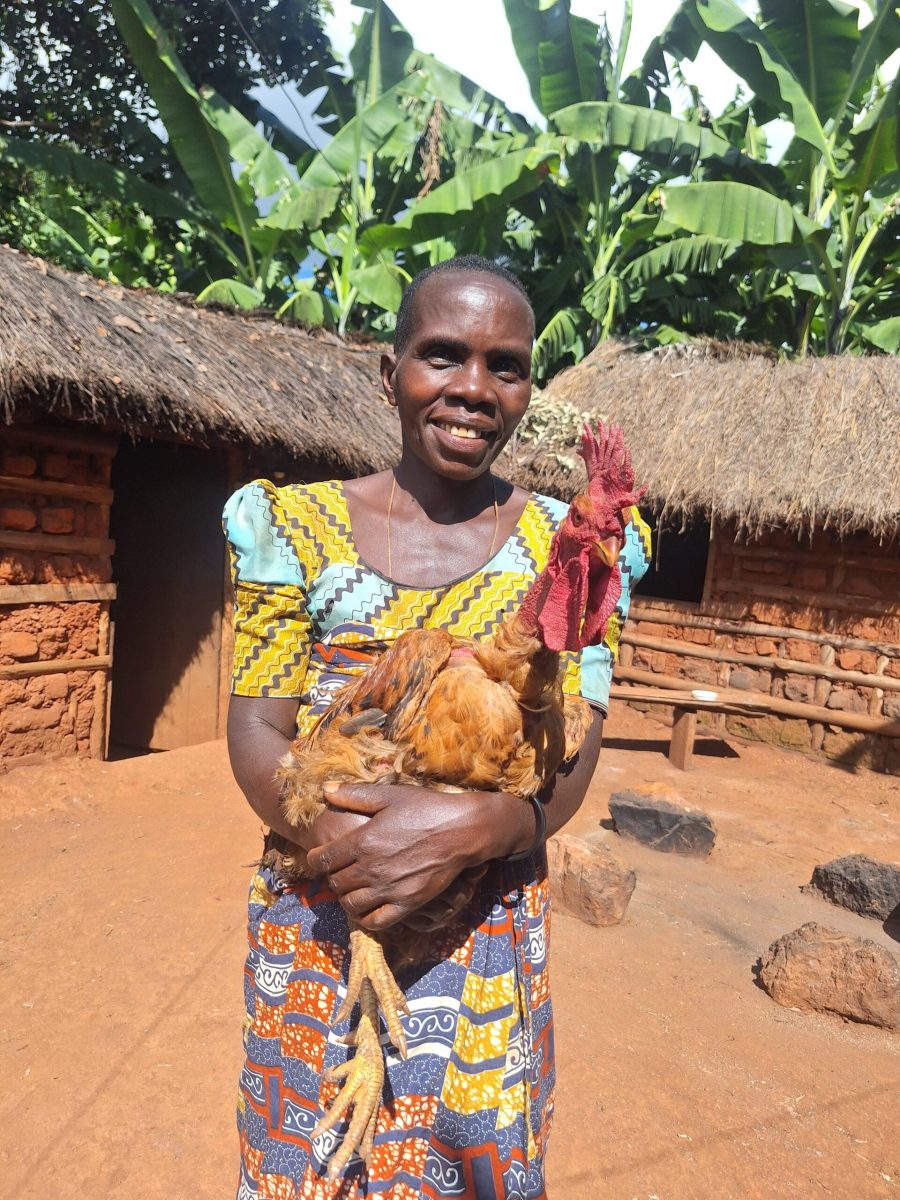
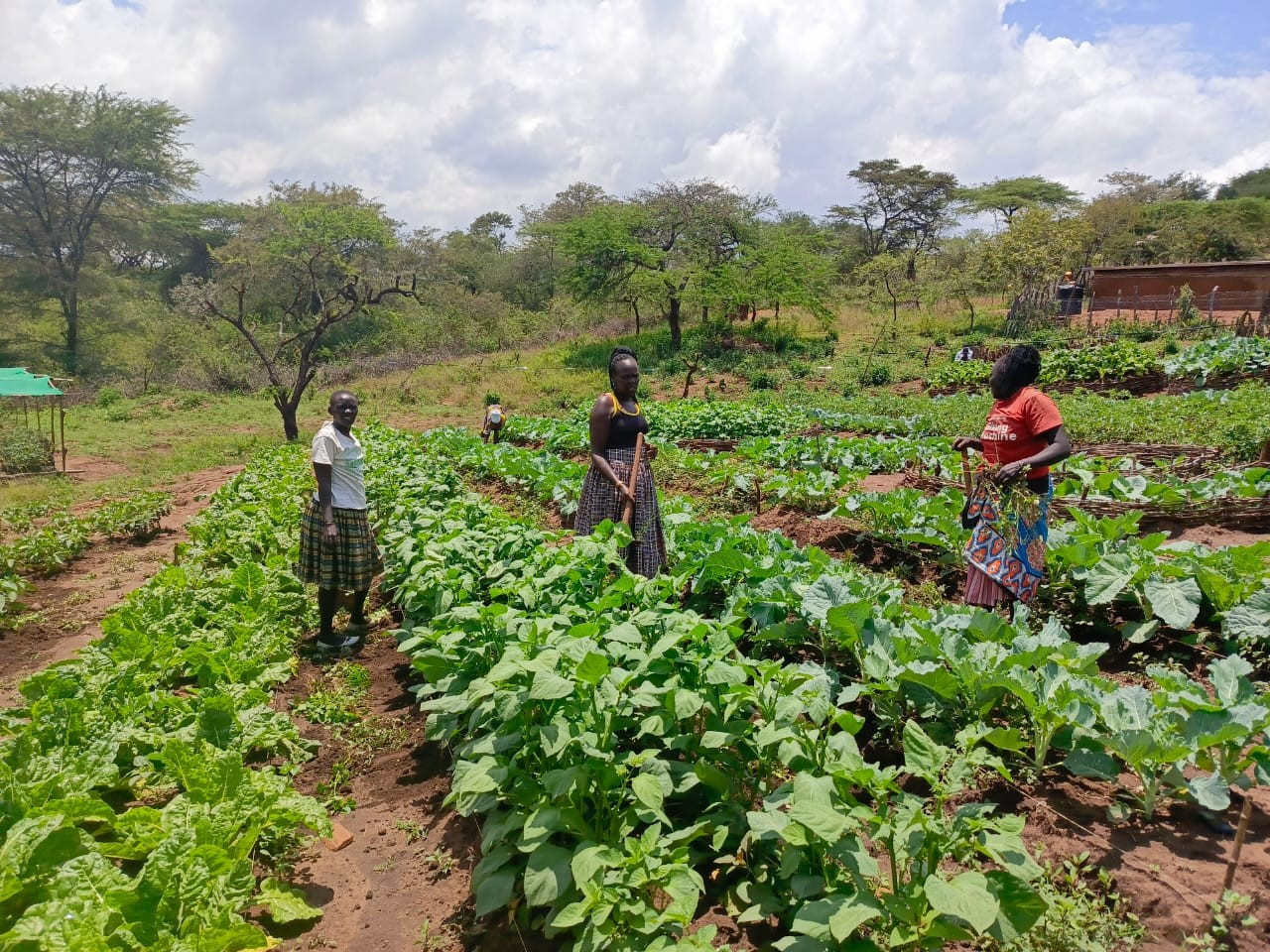
- Invest in value chains where women can retain control. Poultry, beekeeping and small‑scale farming allow women to grow income and leadership in sectors where they already work, and where they can maintain decision-making authority as profits rise.
- Engage faith and traditional leaders as allies. Support from community leaders accelerates the elimination of harmful practices and opens doors for women’s empowerment.
- Reduce time poverty through practical infrastructure. Water systems, fuel‑efficient stoves and solar lighting return hours of labor to women each day—reducing physical strain and expanding time for rest or livelihood building.
- Provide training in financial literacy. Through financial trainings, women can learn to run sustainable, profitable businesses and maintain control over their income and assets.
- Strengthen women’s collective action. Women’s groups demonstrate greater success in accessing resources, markets and negotiating power.
Women Leading Climate-Resilient Solutions
Through CWS programs, women are already leading climate-resilient solutions and building resilience for themselves and their families—all while maintaining leadership and remaining integral to lasting solutions.
In Kenya, women like Vivian are transforming their community through water access, small-scale and poultry farming and cooperative savings.
In Tanzania, women like Hadijah are learning poultry farming and building sustainable livelihoods that support their children’s education, provide clean water at home and empower them as community leaders and changemakers.
In Uganda, CWS is providing reusable menstrual hygiene kits in Nakivale Refugee Settlement, along with training and improved sanitation facilities. For girls like Amina, this support means renewed confidence, uninterrupted education and a powerful reclaiming of agency in displacement.
In Rwanda, CWS provided economic empowerment support to women like Yvette and Evelyne, who are now running their own sustainable businesses—creating jobs, skills and new opportunities within her community.
Transforming gender inequality in arid and semi-arid lands in East Africa requires long-term commitment—from communities, governments, faith institutions and development partners. But change is already happening. Women in arid and semi-arid regions of East Africa are redefining leadership. They are feeding families through droughts. They are confronting harmful practices with courage and raising the next generation with equity in mind.
When we invest in women’s rights and leadership, the entire community rises.
Learn more about CWS’s work in Africa here.