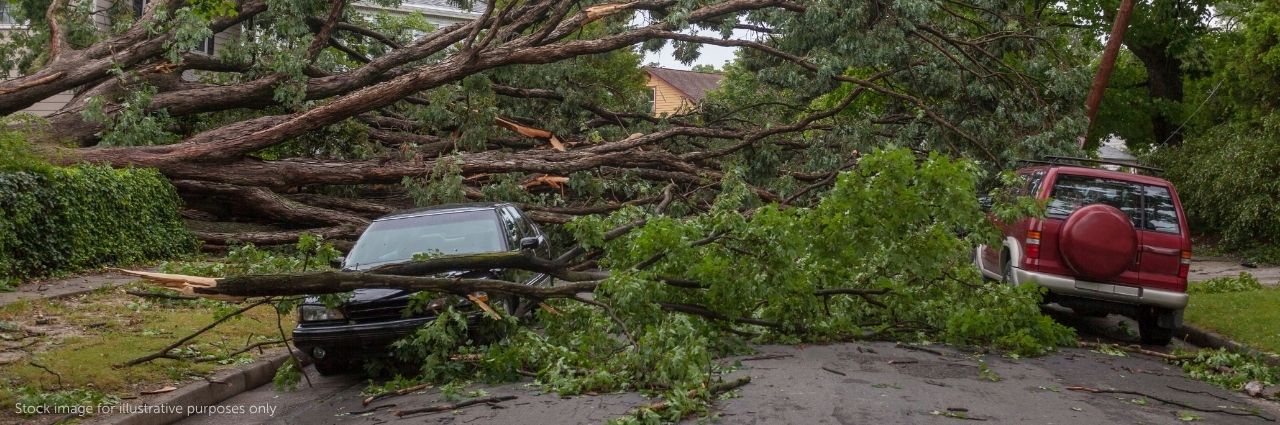
 Disasters are more than newspaper headlines. They disrupt neighborhoods, force families from their homes and leave communities struggling to recover long after national attention fades. Floods wash away roads and businesses. Wildfires destroy homes and livelihoods. Hurricanes leave lasting damage that communities may spend months or even years rebuilding from.
Over the last decade, the United States has experienced roughly 199 separate weather and climate disasters costing $1 billion or more. In 2024 alone, natural disasters displaced 11 million people in the United States, the highest number ever recorded for a single country.
CWS partners with trusted local organizations, houses of worship and government agencies to ensure communities facing the greatest barriers, including immigrants and refugees, have the support they need before, during and after disasters. Preparedness efforts pay off more than tenfold—every $1 spent on climate resilience and preparedness saves communities $13 in damages, cleanup costs and economic impact.
This National Preparedness Month, learn why preparedness is one of the most effective ways to build resilience and how CWS is helping communities become better equipped for disasters and emergencies.
How Disaster Preparedness Saves Lives
Disasters can change lives in an instant, yet many people remain unaware of the risks facing their communities. That’s why preparedness begins long before disaster strikes.
CWS works with local partners and communities to strengthen preparedness through training, capacity building and pre-positioning supplies like CWS Kits and Buckets. These efforts help equip local responders with the tools they need to act quickly in the aftermath of emergencies.
Through the development of culturally sensitive, translated materials, immigrant and refugee communities can also access critical resources and essential information in their preferred languages.
“When we overcome language barriers, that’s how we can foster trust within communities,” said Nicole Riley, CWS Senior Manager of Emergency Preparedness, Response and Recovery. “It’s not only a matter of connecting them to resources; it’s a matter of keeping people safe.”
How CWS Helps Communities Build Resilience
For more than 80 years, CWS has worked alongside communities to build safer, more resilient futures. We continue to support individuals and families across the United States through the following efforts:
- Building Trust with Local Communities: Due to longstanding relationships with immigrant, refugee and other underserved communities, CWS ensures critical preparedness information reaches those who need it most. These trusted relationships enable us to bring together community members, houses of worship, community-based organizations and local governments to strengthen local preparedness efforts.
- Distributing Preparedness Kits: In addition to training and other knowledge-sharing efforts, CWS also distributes preparedness kits, which include critical items that can sustain households both during and after an emergency. Through the distribution of these kits, CWS ensures families have what they need to stay prepared for future disaster risks.
- Expanding National Capacity: CWS has expanded our national capacity to provide preparedness support in six major regions throughout the United States so that we can better provide assistance to communities that are hit hardest by disasters and have the greatest risk to future emergencies.
These efforts also help to build community resilience in the long-term. Through a “train the trainer” approach, individuals who participate in CWS-led workshops gain the tools and confidence to share preparedness knowledge with their families, neighbors and broader communities.
“The first responders in any community are often neighbors helping neighbors,” said Zach Wolgemuth, CWS Director of Emergency Preparedness, Response and Recovery. “Investing in preparedness training and emergency supplies means communities can respond immediately instead of waiting for help to arrive.”
In just the first half of fiscal year 2026, CWS reached more than 60,200 people through preparedness, response and recovery efforts.
How Supporters Make This Work Possible
The need for disaster preparedness has never been greater, but funding has decreased significantly. Between 2024 and 2025, more than 30 percent of global humanitarian funding disappeared, due largely to the approximately $10.3 billion reduction in U.S. financial support.
Thanks to the commitment of generous donors and partners, CWS is helping fill critical gaps in preparedness and disaster response services at a time when needs continue to rise. One example is our grant from Lilly Endowment Inc., whose Hope After the Storm initiative is helping to strengthen disaster preparedness and response capacity in communities across the country.
“Lilly Endowment saw the need for nonprofit organizations to respond effectively to disasters given their increasing frequency and intensity, as well as limits to the role of government,” Zach said. “Their support enables us to invest in sustainable capacity and engage with local partners to help communities become more resilient.”
Every family deserves access to the information, resources and support needed to stay safe when disaster strikes. Yet many immigrant, refugee and multilingual communities continue to face barriers that leave them disproportionately vulnerable during disasters and emergencies.
Your support helps close that gap.
Together, we can equip families with preparedness resources, strengthen local response networks and ensure communities have the tools they need before disaster strikes.
Make a gift today to help vulnerable communities prepare for and recover from disasters with safety, dignity and hope.