
Each decade over the past 60 years has been hotter than the one before it, with the past 11 years representing the hottest on record.
As heat season begins this year, extreme temperatures and drought around the world are jeopardizing food production, health and livelihoods, especially in low-income communities. In fact, climate-related disasters displace more people every year than conflicts. Refugees and displaced people are the hardest hit, with an estimated three-quarters of the world’s refugees and displaced living in climate hotspots.
According to the United Nations, by 2050, refugee camps in some of the world’s climate hotspots could face nearly 200 days of dangerous heat stress per year, with serious risks to health and survival, making many places not only harmful, but uninhabitable.
Some climate-related disasters, like wildfires or hurricanes, strike suddenly, upending lives in a matter of minutes. In other cases, the effects build gradually over time. Years of unpredictable weather, failed harvests and dwindling resources can leave families with no choice but to flee their homes in order to survive.
Across the globe, communities are already feeling these impacts. Families are struggling to put food on the table, and disasters are becoming more intense, destructive and frequent. The consequences of a changing climate are far-reaching, affecting nearly every aspect of daily life, posing greater dangers to refugees and displaced communities and driving new waves of displacement around the world.
Key Facts: Climate and Displacement
The scale of climate-driven displacement is growing:
- In the past decade alone, approximately 250 million people have been displaced due to climate-related factors.
- The communities most impacted by climate change are often those that contribute the least to global emissions.
- Most refugee settlements and camps are projected to experience twice as many days of dangerous heat by 2050.
- The number of countries facing extreme climate-related hazards is expected to rise from three to 65, including many refugee-hosting countries like Cameroon, Chad, South Sudan, Nigeria, Brazil, India and Iraq.
How Are Climate Change and Displacement Connected?
Climate change is making weather-related disasters more severe and unpredictable. Stronger storms, heavier flooding, longer droughts and more destructive wildfires can devastate homes, crops, livestock and local infrastructure, making it difficult for families to stay safe and support themselves.
When climate shocks disrupt access to food, water and income, displacement can follow. In some cases, people are forced to flee immediately after a disaster. In others, repeated climate stress gradually erodes livelihoods until leaving becomes the only viable option.
This pressure is especially severe for people already displaced by war, violence and persecution. More than 117 million people worldwide have been forcibly displaced, and 75 percent are living in countries with high-to-extreme climate risk, placing them in the path of compounding crises.
Around the world, CWS, our local partners and the broader humanitarian community are working with communities to prepare for and adapt to climate impacts—from early warning systems to livelihood support and disaster recovery programs. These efforts are strengthened through global collaboration, including international climate convenings, where governments, humanitarian organizations and local leaders align resources, share best practices and expand access to climate financing for refugee and host communities.
Despite these shared efforts, significant gaps remain. Without adequate support to prepare for and recover from climate shocks, communities face a heightened risk of repeated displacement.
How CWS is Strengthening Resilience to Disasters and Climate Shocks Among Frontline Communities
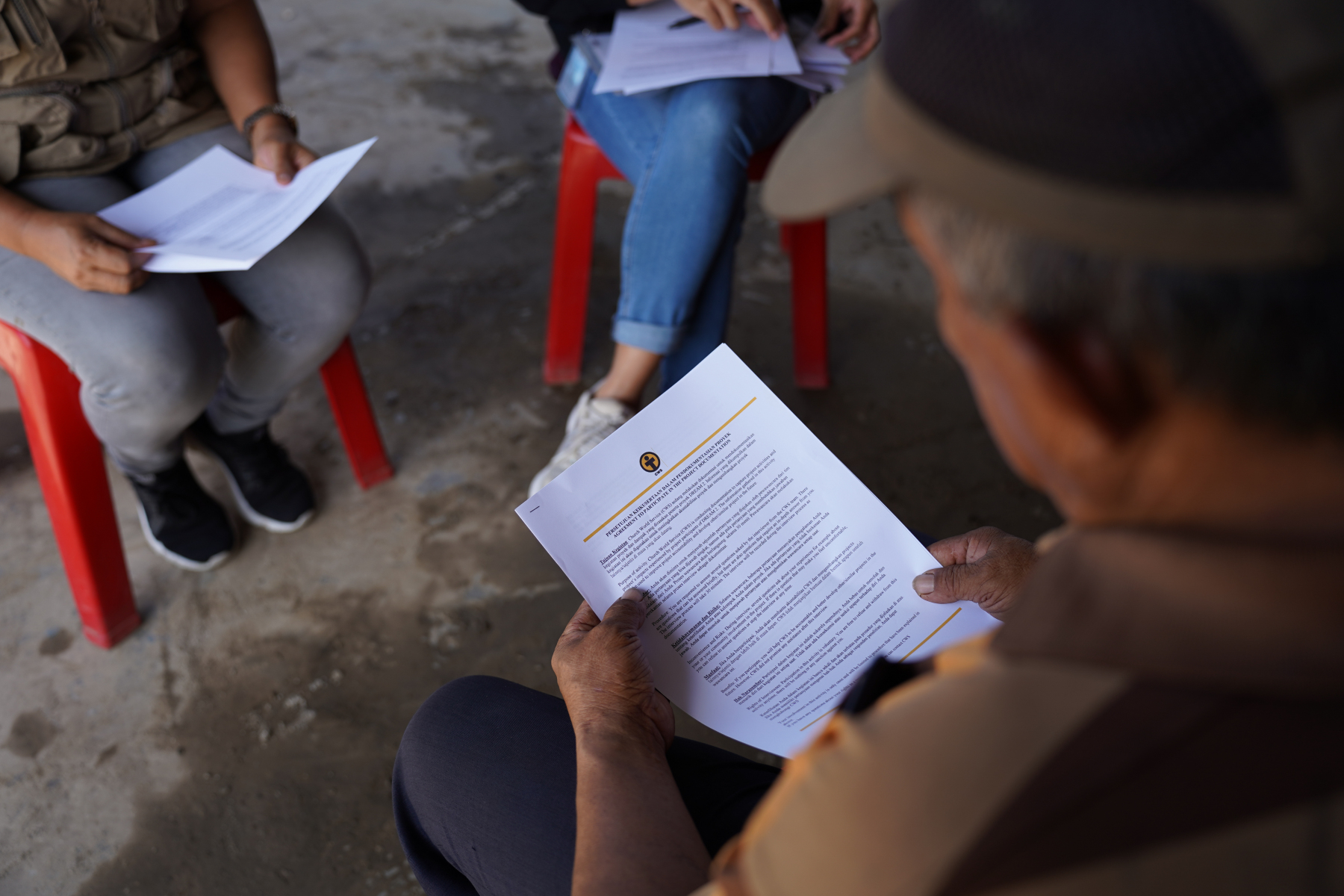
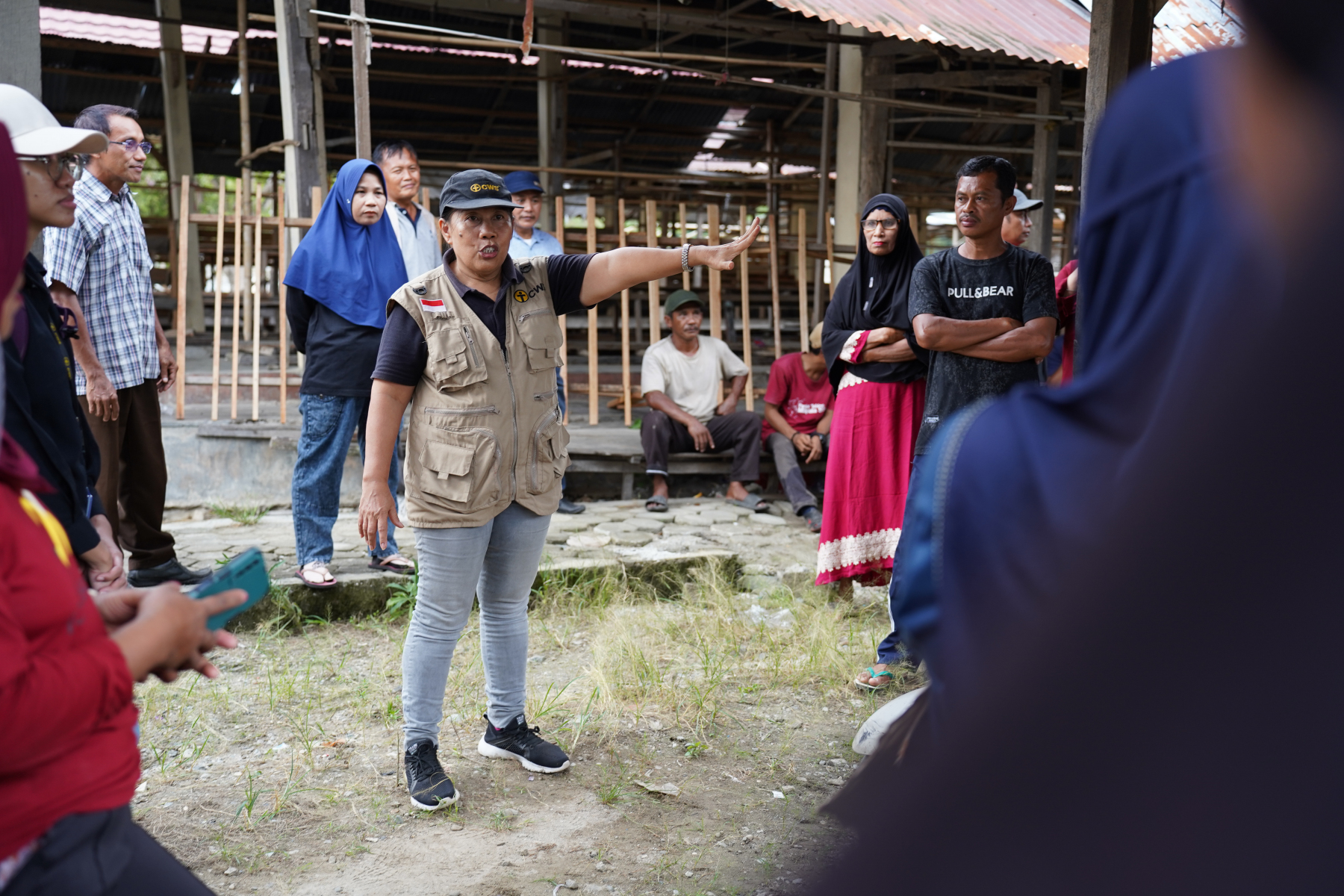
CWS works alongside communities on the frontlines of climate change to reduce risk, respond to disasters and build long-term resilience.
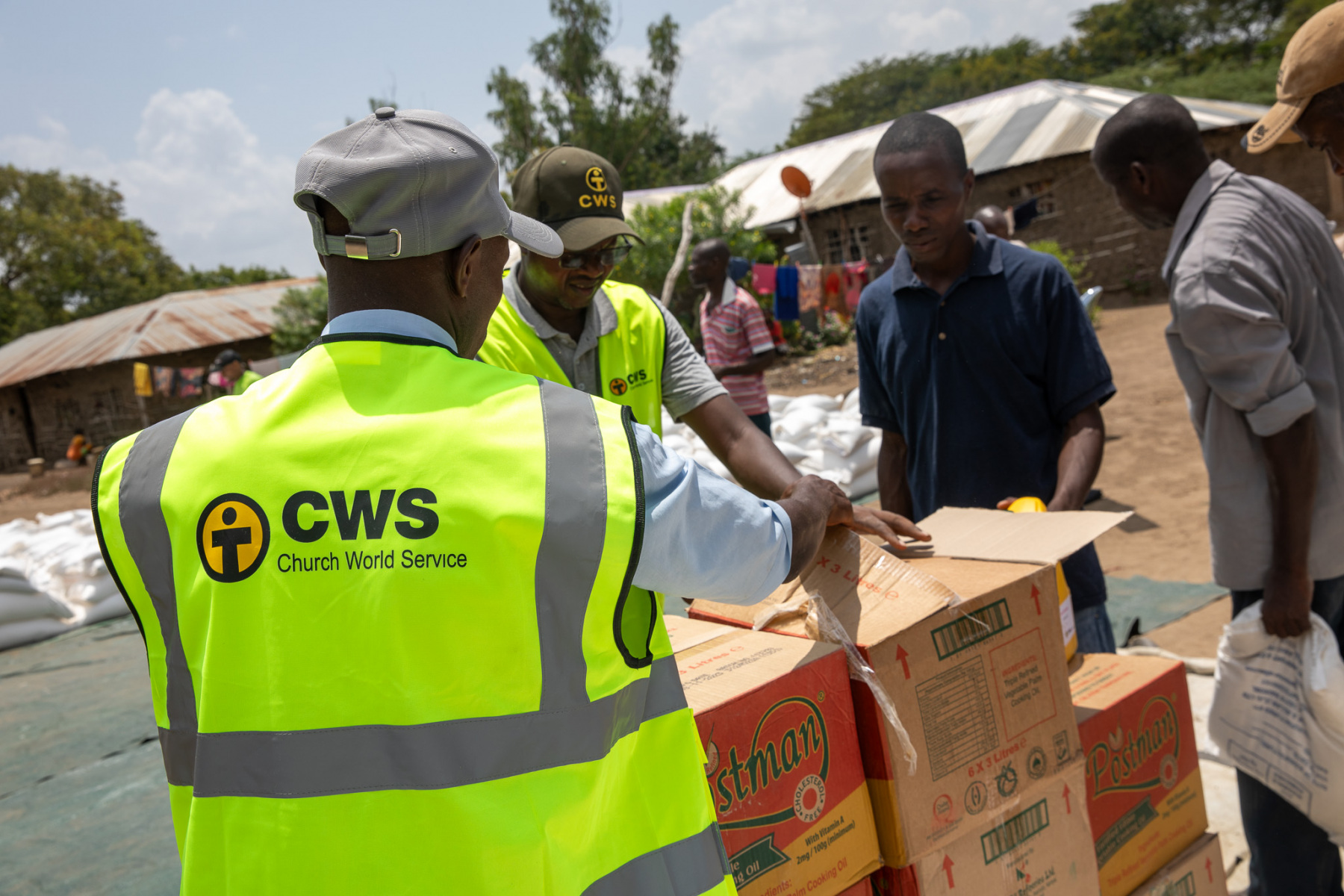
- In areas affected by weather-related disasters, CWS provides emergency food assistance as well as agricultural and livelihood support to help families meet their basic needs and restore income. CWS also partners with local communities to rebuild homes and infrastructure and help them better withstand future disasters.
- In the United States, CWS supports disaster-impacted families with short-term housing, emergency cash assistance, essential cleanup supplies and culturally appropriate resources to help them recover in the critical days and weeks following a disaster.
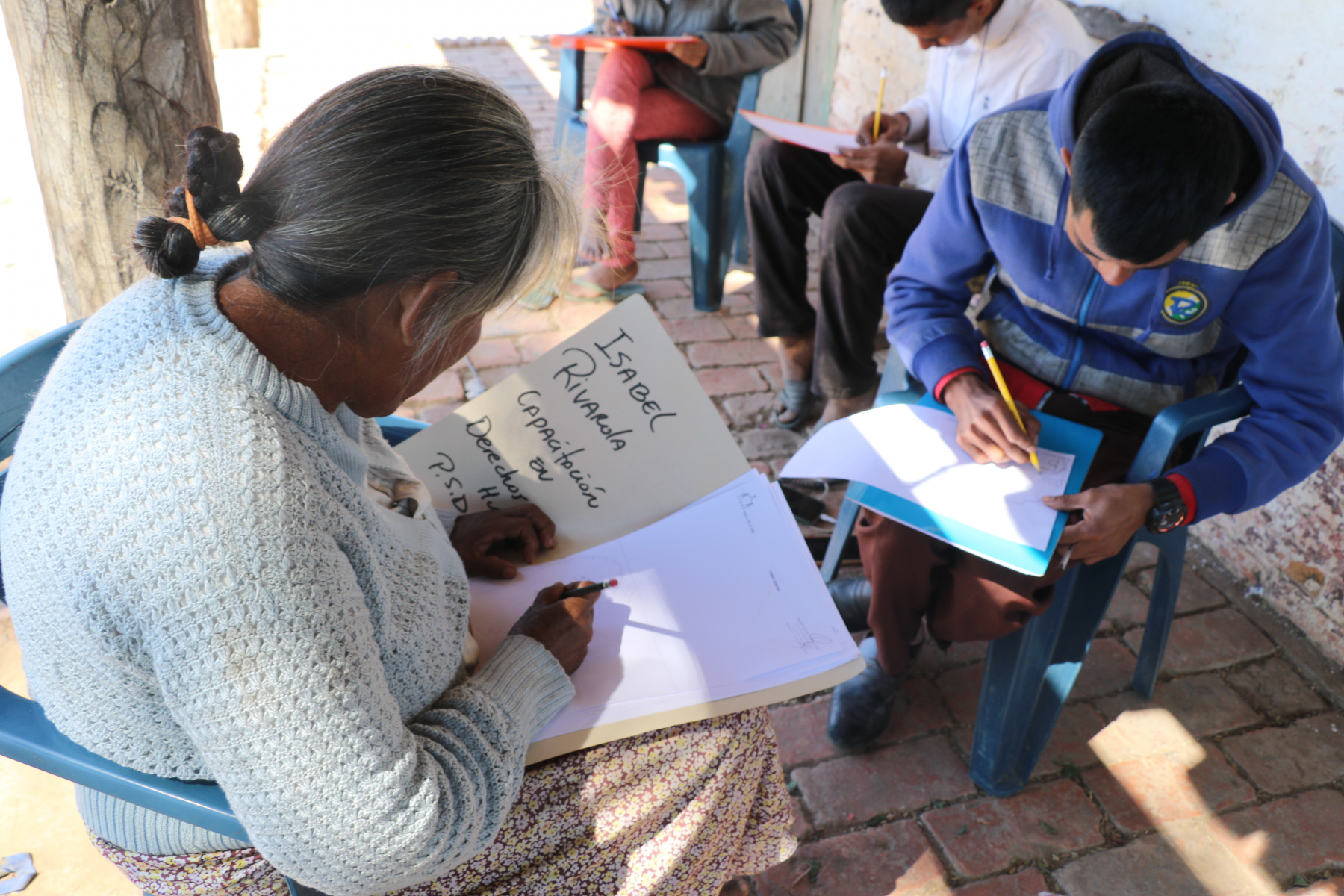
- In countries around the world—including Afghanistan, Vietnam and Paraguay—CWS supports disaster risk reduction initiatives that help communities better prepare for and respond to recurring crises, so they are less vulnerable to future shocks.
- CWS also advocates at local, national and regional levels for effective funding, policies and oversight for climate adaptation and disaster preparedness, helping ensure that immigrant and other vulnerable communities are not left behind.
As climate change continues to drive displacement around the world, the need for immediate response and long-term solutions has never been greater. By supporting climate-impacted communities before, during and after disasters, CWS is helping people build safer, more resilient futures.
For 80 years, CWS has stood alongside refugees and displaced communities around the world. Today, as climate change accelerates displacement and disasters grow more frequent and severe, this work is more urgent than ever.
We collaborate with local partners, respond to crises as they unfold and invest in long-term resilience so communities can withstand and adapt to a changing world. And when staying home is no longer possible, we help people access safety, stability and a chance to rebuild their lives.
Learn how CWS is confronting climate-driven displacement and strengthening community resilience and make a gift today to help deliver life-saving support to those on the frontlines of climate change.