
This Earth Day, we’re highlighting the stories of everyday people around the world who are turning the tides against climate change. From clean water access in Kenya to climate‑smart farming in Honduras, local solutions are helping families adapt, stay healthy and build resilience, even as climate impacts grow more intense.
Climate change is one of the single greatest threats to human health. By 2050, the impacts of changing climates, like undernutrition and heat stress, are expected to cause 250,000 deaths. This year, communities around the world felt the third-warmest February on record, the impacts of which will likely be felt through food production, air pollution and weather patterns.
How Does Climate Change Affect Us?
Climate change affects communities around the world in many ways. Families are finding it harder to put food on the table, and disasters are becoming stronger, more destructive and more frequent. The impacts of a changing climate are far‑reaching and touch nearly every aspect of daily life.
Water: As temperatures rise, patterns of precipitation are changing. Droughts are becoming more common, and agriculture requires more water to compensate for reduced rainfall. Snowfall is also declining, affecting communities that depend on snowmelt as a reliable source of clean water. In contrast, other regions are experiencing increased rainfall, with flooding becoming heavier and more frequent across much of the United States.
Food: Our food supply depends on stable and predictable weather, but higher temperatures and more extreme environmental conditions are creating new challenges for farmers. Crops are increasingly vulnerable to heat stress, drought and flooding, while farmers and livestock face greater risks from intense and prolonged heat.
Health: Climate change is already affecting human health. Flooding can spread waterborne illnesses, while warmer temperatures allow pests like mosquitoes to carry diseases into new areas. Dry conditions contribute to more frequent and intense wildfires, and rising ocean temperatures are fueling stronger hurricanes that cause widespread damage and displacement.
Infrastructure: Much of our existing infrastructure was not designed to withstand the increasing severity of extreme weather events. Heavy rains, flooding, high winds and severe storms place roads, bridges, power grids and internet systems at risk. Coastal infrastructure is especially vulnerable as sea levels rise, and extreme rainfall can shut down major transportation routes and disrupt essential services.
Communities that contribute the least to climate change are often the ones that feel its impacts most deeply. That’s why CWS works alongside communities around the world to build resilience, strengthen preparedness and support long‑term recovery in the face of disasters and widespread environmental change.
How Does CWS Help Communities Build Climate Resiliency?
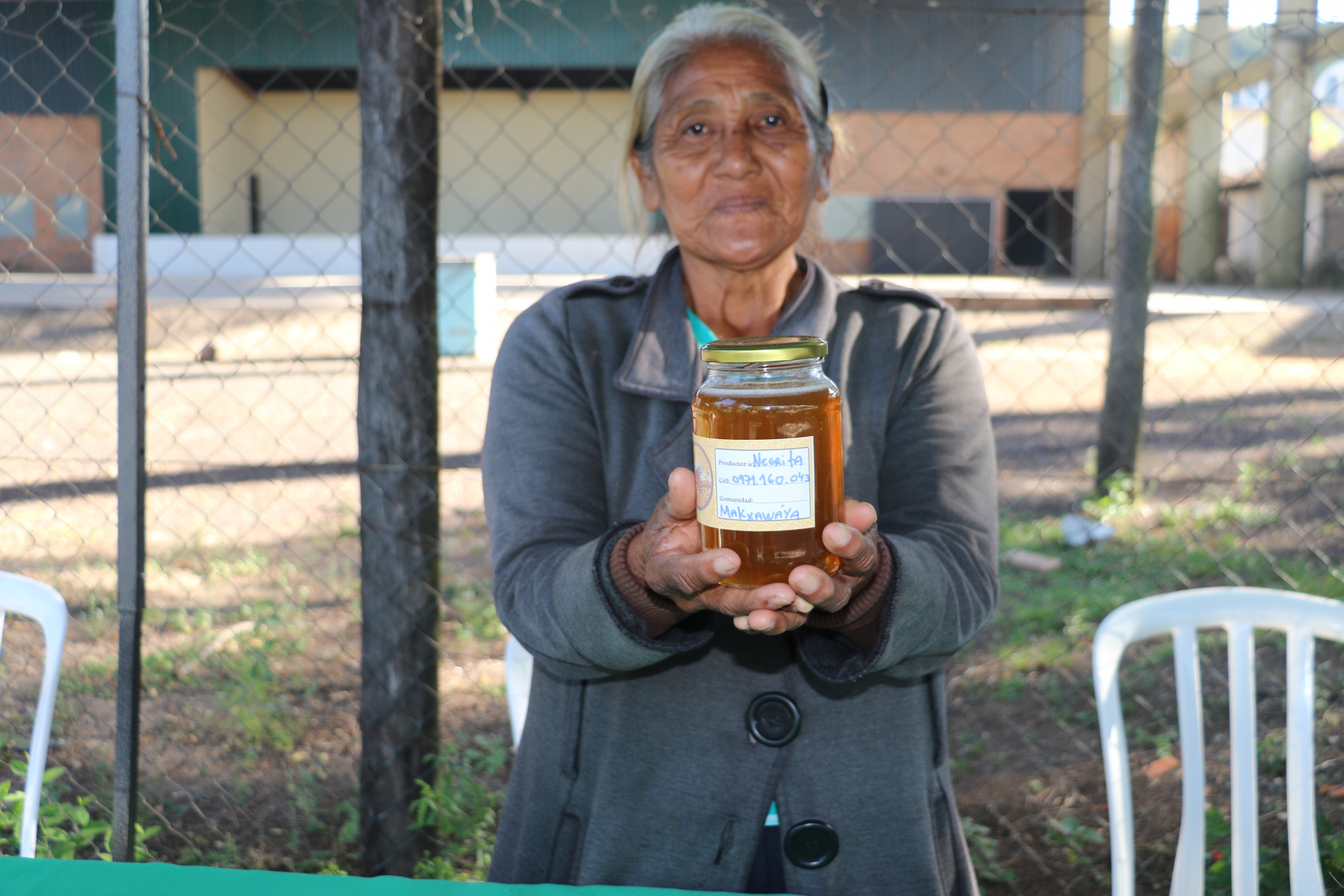
In Paraguay, Indigenous communities are working to strengthen community leadership, defend their rights and build sustainable livelihoods. Communities face persistent challenges including limited access to safe water, weak health and education services and vulnerabilities related to climate change. In the last year, more than 300 people—mostly women—participated in 70 workshops on water purification, leadership, human rights, Indigenous education and climate change adaptation. Productive initiatives such as beekeeping, home gardens and small livestock rearing are now strengthening food security and family income.
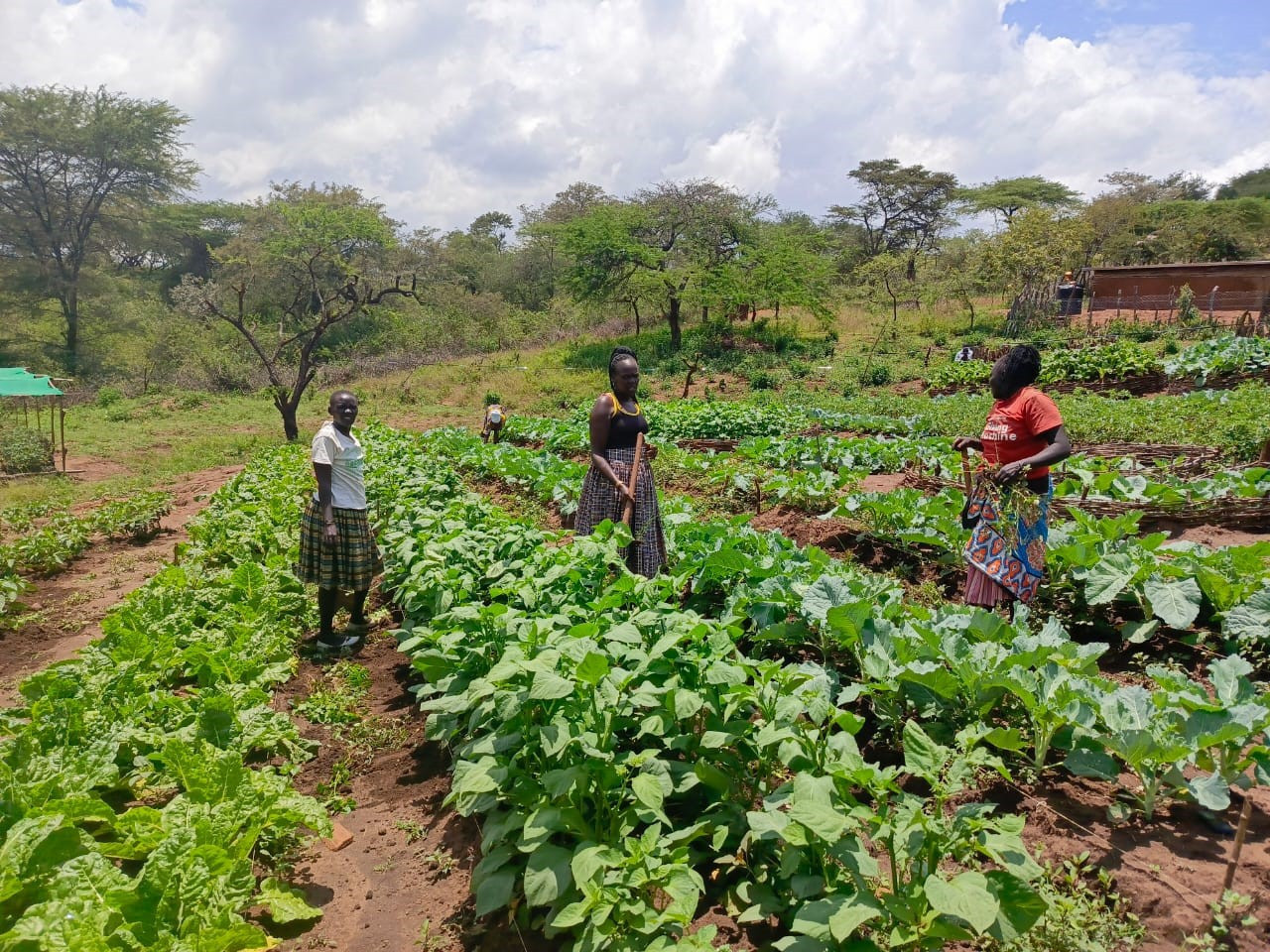
In West Pokot, Kenya, women are leading community transformation. Life in this arid region is demanding, and before CWS and our local partner Yang’at began working here in 2011, women and girls walked miles for water every day. Mothers like Vivian did everything they could to keep families healthy, often without a voice in household decisions. Since then, through the construction of a sand dam, families now have access to clean drinking water year-round and are better placed to withstand climate shocks.
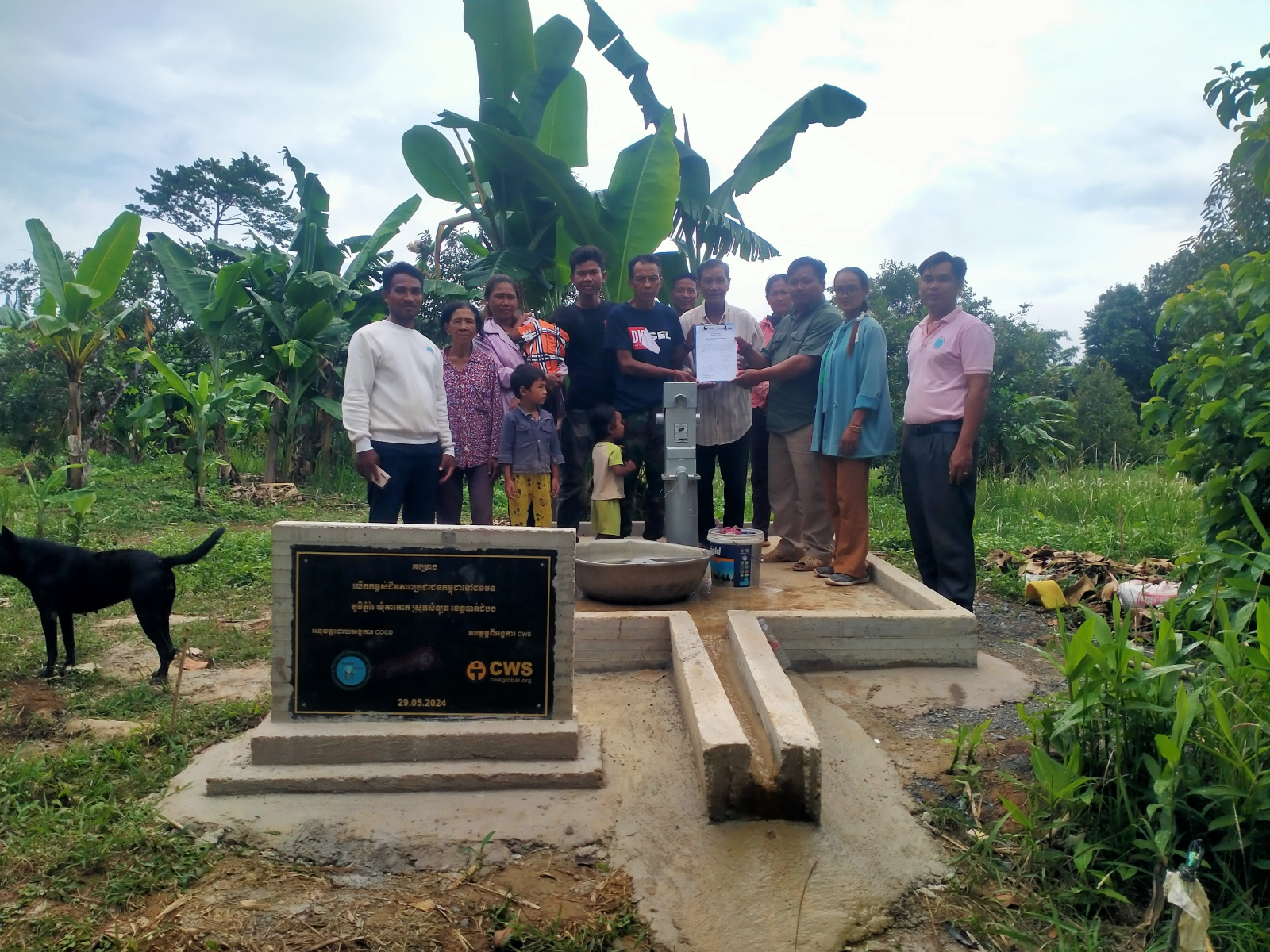
In Cambodia, climate change is threatening access to water and food security. CWS is addressing these risks by helping communities build resilient water infrastructure, such as community wells that serve families who previously struggled with seasonal water shortages. Wells are constructed with protective features to ensure the water remains cleaner and safer than seasonal ponds or shallow, unprotected sources. Families received guidance on hygienic handling and basic maintenance so they can keep the water safe over time. Now, women and children now spend far less time fetching water, and families no longer need to rely on unsafe surface water, reducing the risk of illness and improving overall health.
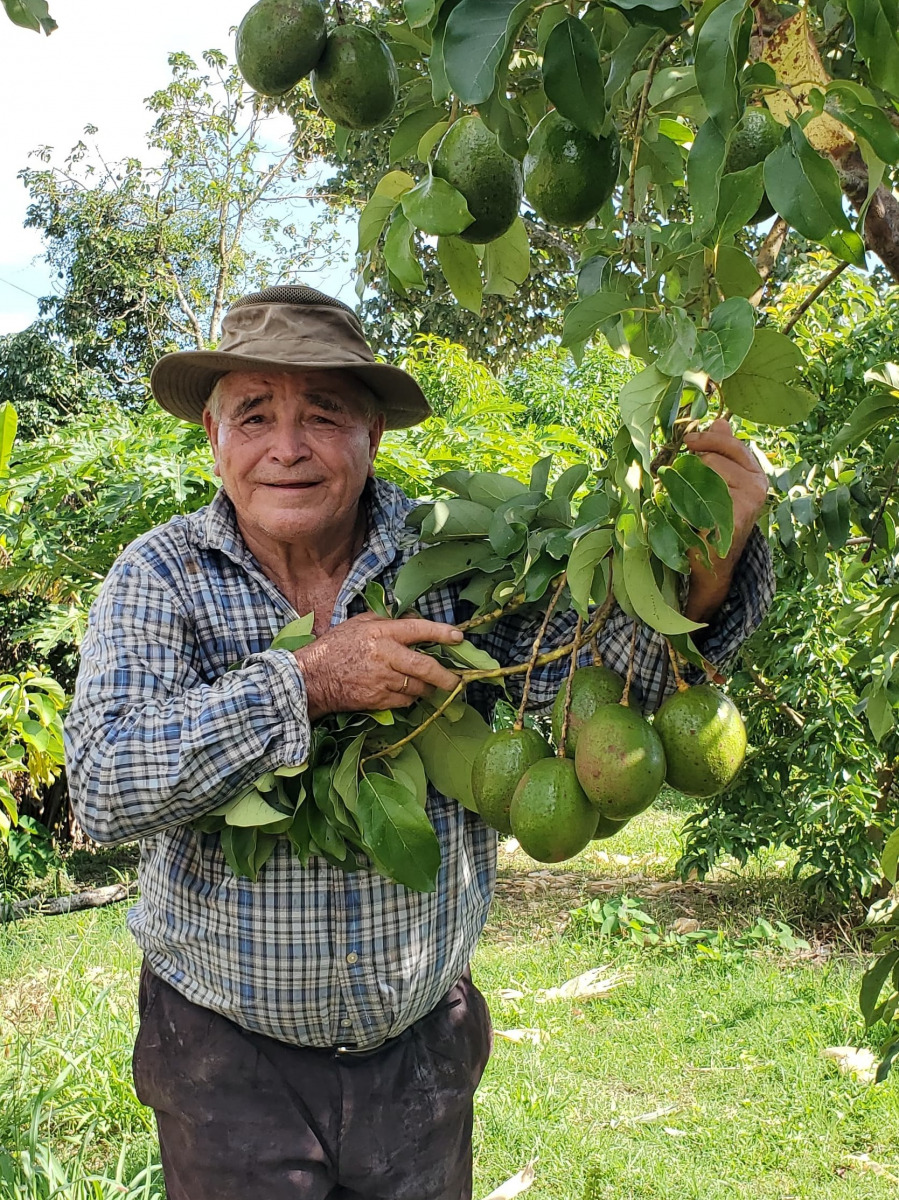
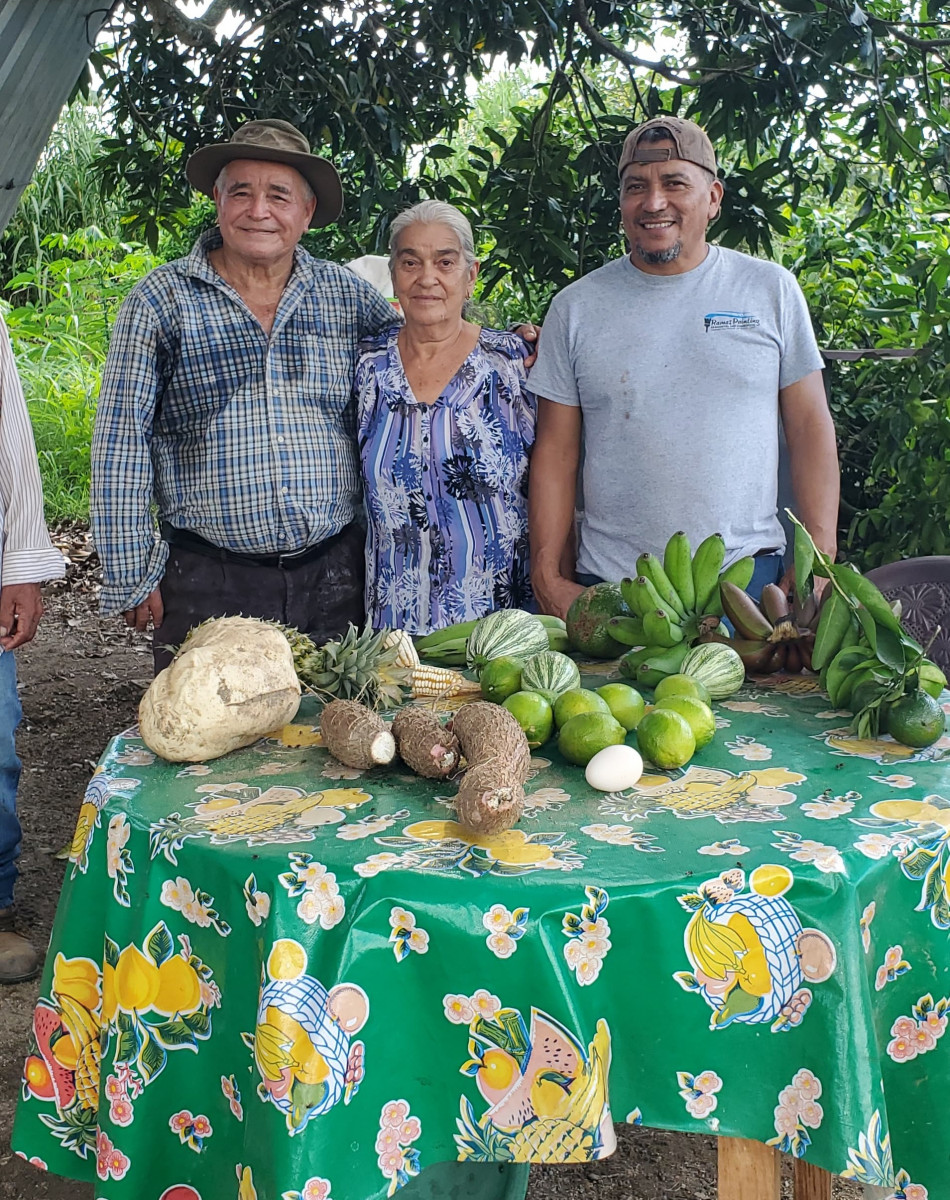
In Honduras, Rigoberto has transformed his small plot into a vibrant garden that nourishes his family and strengthens his connection to the land and his neighbors. The Produce Verde project also promotes environmental conservation and climate adaptation. Families have adopted climate-smart practices like solar dryers and water harvesting systems, and 53 producers have implemented sustainable technologies to protect their crops and reduce costs.
To learn more about the work CWS is doing to combat climate change and build resilient communities, click here. To support the work of CWS, make a gift here.