Stories of Change


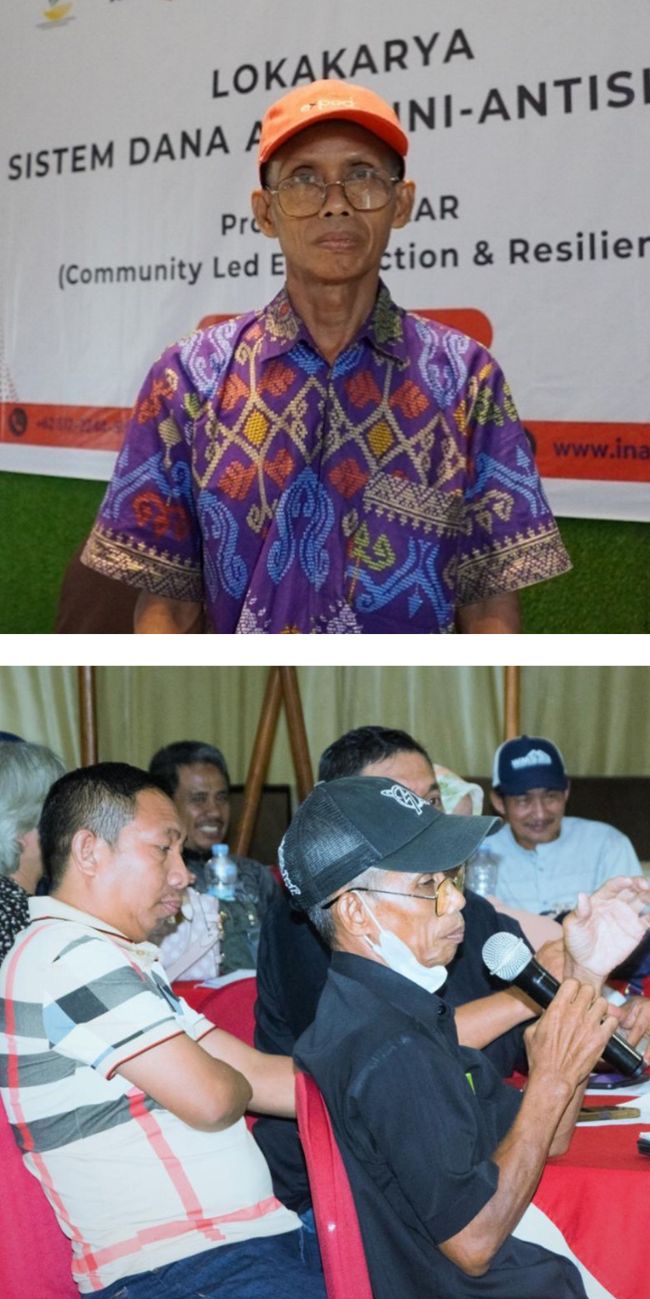
Top: Pak Sampara in a CLEAR workshop Bottom: Pak Sampara actively involved in workshop discussion

Rising Above the Floods: Pak Sampara’s Journey of Resilience and Community Support

Pak Sampara, a flood-affected resident of Makassar City, found resilience and purpose through the CLEAR project, a CWS initiative that empowers communities to mitigate flood risks. Embracing hydroponic farming and disaster preparedness training, he now supports his neighbors, proving that perseverance and community spirit can turn challenges into opportunities for growth.

Facing the Rising Waters: A Community in Crisis

Nearly every year, floods hit Makassar City in Indonesia, disrupting the lives and livelihoods of those who call it home. 

For 56-year-old Pak Sampara, each flood brings a new wave of uncertainty. The rising water damages crops, making them impossible to sell, and in 2020, the situation became even more devastating when he lost his cleaning job in a local hotel due to COVID-19 layoffs.  

In 2023, he learned about the CLEAR project, implemented by CWS in partnership with INANTA and Yayasan Cita Wadah Swadaya (YCWS), to help communities in flood-prone Makassar, South Sulawesi, create a community-led early warning system and preparedness plan to reduce flood risks and protect vulnerable families.

Building Resilience Through Community Action

Determined to support his community despite the hardships, Pak Sampara embraced the opportunity to make a difference. As a neighborhood leader, he turned to hydroponic farming, growing chilies and tomatoes in his home garden and sharing his harvest with neighbors in need. 

“CWS, YCWS and INANTA, through the CLEAR Project, have helped us develop our abilities to help others in devastating situations. Now I hope I can help more people, especially within my communities,” Pak Sampara shared. 

In the face of disasters, preparation is key—not only in protecting ourselves but for strengthening entire communities. Through the CLEAR project and disaster risk reduction training, Pak Sampara has gained the tools to stay resilient in the face of future floods. His story is a powerful reminder that perseverance and community spirit can turn even the toughest challenges into opportunities for growth and support. 

 You can learn more about our work in Indonesia here. 


Fathiya’s Transformation: From Observer to Animator


February 19, 2025

Fathiya, a Palestinian refugee in Indonesia, discovered a life-changing passion for animation after joining her brother in a workshop led by a local CWS partner. Despite initial struggles with the technical and language barriers, her perseverance paid off, enabling her to contribute to real projects and opening new doors for her future. When Fathiya joined her brother in an animation …

Stories of Change


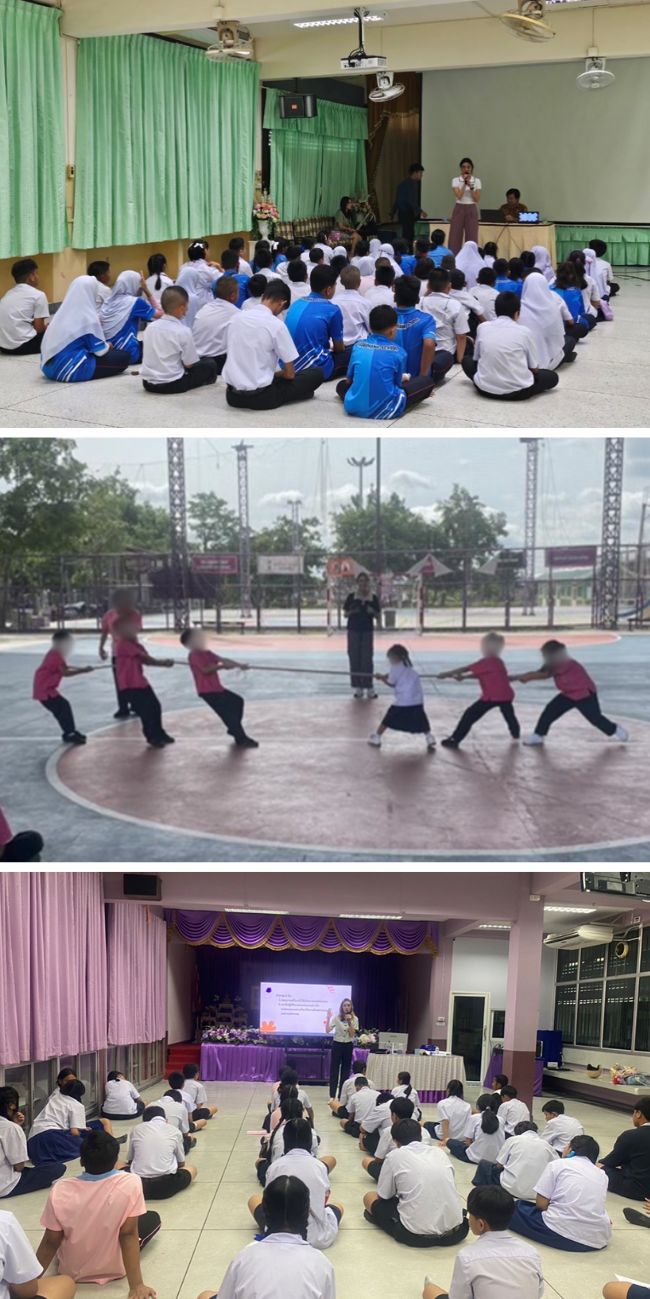
Top: Glow and Grown project; Middle: Colorful Minds project; Bottom: RISE project

Nurturing Safe and Inclusive Schools: The Impact of CWS Child Protection Programs

For years, CWS Thailand has been at the forefront of child protection, implementing programs designed to foster inclusive, safe and supportive learning environments. Through initiatives at three schools—Wat Sao Thonghin School, Radburana School and Chumchonmoobanpattana School—CWS has empowered students with essential life skills, emotional resilience and social awareness. Each program is uniquely tailored to address the needs of children from diverse backgrounds, supporting their overall well-being and long-term development.

Colorful Minds: Encouraging Self-Esteem and Empathy

The 10-week Colorful Minds program at Wat Sao Thonghin School empowered 174 primary students by boosting self-esteem, reducing bullying and fostering an inclusive environment. Through engaging activities like icebreakers, emotional regulation exercises, teamwork challenges and cultural appreciation lessons, students developed stronger social and emotional skills. 

Creative outlets such as drawing and role-playing helped them express emotions, build empathy, and collaborate more effectively. While younger students initially found some concepts like diversity challenging, program adjustments ensured their engagement and learning. Many participants expressed a keen interest in continuing, with feedback highlighting improved emotional awareness and stronger peer relationships.

Glow and Grown: Fostering Inclusivity and Cultural Understanding

In partnership with the Bangkok Refugee Center, 60 primary school students took part in a four-day Glow and Grown project focused on fostering a safe and inclusive learning environment.

Through team-based games, group discussions and interactive exercises, students developed empathy, cultural awareness and positive social skills. Their active participation led to meaningful connections and improved interpersonal interactions. By the end of the program, bullying incidents had decreased and many students expressed enthusiasm for future sessions.

RISE: Supporting At-Risk Youth for a Brighter Future

Currently underway at Chumchonmoobanpattana School, the RISE initiative supports approximately 240 junior school students facing socio-economic challenges, including poverty and disengagement from education, which often contribute to long-term challenges, making early intervention essential to their well-being and future success.

Through a structured curriculum focused on emotional regulation, self-awareness and social responsibility, RISE provides a safe and supportive environment where students can build resilience and leadership skills. While working with vulnerable youth presents challenges, fostering a positive school culture creates a ripple effect that benefits not just the students, but also their families and communities.

A Commitment to Child Protection and Youth Development

CWS remains dedicated to enhancing child protection and youth development through targeted educational programs. By equipping students with essential life skills, fostering resilience and creating inclusive learning environments, these initiatives lay the foundation for brighter futures. Looking ahead, CWS aims to expand these programs to reach more at-risk youth, further strengthening community support systems and ensuring that every child has the opportunity to thrive.

Learn more about CWS Thailand here.


“This Is a Betrayal”: An Afghan Resettlement Worker Speaks Out


February 6, 2025

Taq, a resettlement caseworker in Ohio, has witnessed the devastating impact of recent Executive Orders that have halted refugee arrivals, leaving families like his own in limbo. With loved ones stranded in unsafe conditions and immigrant communities facing growing fear in the United States, Taq shares his hope for policies that honor America’s commitment to those who risked everything to …

Stories of Change


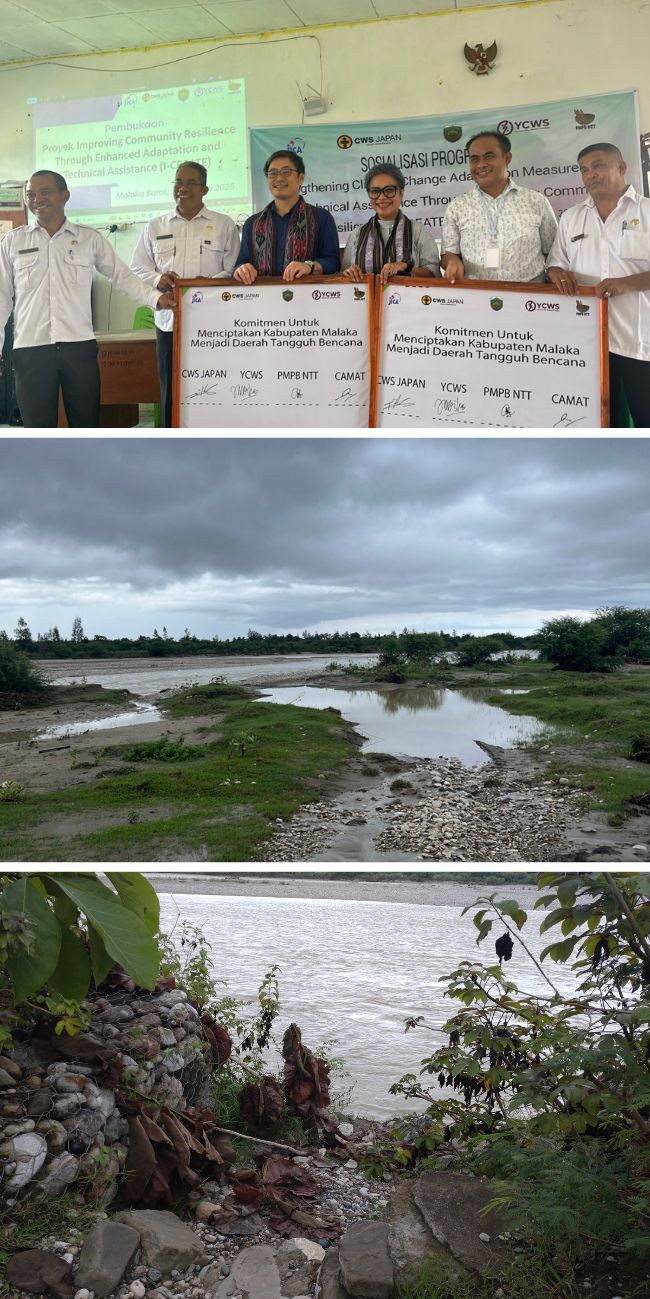
Top: Subdistrict launch event with government and partners in Malaka Middle: Benanine River overflow Bottom: Overflow point along the riverbank

New CWS Program Builds Flood Resilience Through Community Engagement

CWS Japan, alongside local partners, has launched the I-CREATE program in Indonesia’s Malaka District to help communities along the Benanain River strengthen their resilience against recurring floods. By improving early warning systems, enhancing flood mitigation infrastructure and fostering inclusive, community-led solutions, the program aims to ensure long-term sustainability and disaster preparedness.

For communities along the Benanain River in Indonesia, annual flooding is a persistent challenge, threatening access to clean water and disrupting agricultural livelihoods. To help local residents adapt and build long-term resilience, CWS Japan, in collaboration with YCWS and Perkumpulan Masyarakat Penanganan Bencana (PMPB-NTT), has launched the Improving Community Resilience through Enhanced Adaptation and Technical Assistance (I-CREATE) program in Malaka District, East Nusa Tenggara.

A Multi-Level Approach to Community Resilience  

At recent community launch events, discussions with local leaders and residents revealed several pressing challenges, including recurring flooding that contaminates water sources, gaps in early warning systems for community members and localized vulnerabilities with high-risk areas along the river.

Many communities depend on the Benanain River for daily needs, but frequent floods contaminate water sources and threaten food security. However, the region’s fertile soil presents an opportunity—when properly managed, it supports thriving agriculture. Despite this, the lack of river water level monitoring means residents often respond only when floodwaters are already rising. Enhancing early warning mechanisms is critical, and certain high-risk areas along the riverbank require targeted interventions to prevent overflow, necessitating both technical solutions and community-driven initiatives.

Community-Led Adaptation and Inclusive Solutions

Despite these challenges, local communities have shown resilience by adjusting their planting seasons to align with changing weather patterns, and the region’s river basin forum, though currently inactive, presents an opportunity to foster collaboration between upstream and downstream villages.

A key priority of I-CREATE is inclusivity—ensuring that disaster preparedness and response strategies consider the needs of all community members, including people with disabilities. By involving diverse voices in planning and training, the program seeks to create sustainable, community-driven solutions that support all community members.

Over the next several years, the program will continue to assess potential risks from dam management, support community participation in improving flood mitigation infrastructure, engage early warning systems and information dissemination, digitally map hazards, risks and evacuation routes and provide technical recommendations for river basin management. 

By integrating technical expertise, community knowledge and government collaboration, I-CREATE aims to build long-lasting resilience against flooding, ensuring a safer and more sustainable future for Malaka District.

To learn more about CWS’ work in Asia, click here.


Mustafa and Randa’s Path to Love and a New Life


February 5, 2025

The story of Mustafa Albayati and his wife Randa is one of resilience, love and the transformative power of community. From their chance meeting in Iraq to building a life together in the United States, their journey has been marked by challenges, triumphs and unwavering hope. Here’s their inspiring story, told in Mustafa and Randa’s words.   “I first met …

“Travel Cancelled”: A Poem Reflection of Recent Executive Orders


February 4, 2025

As of January 22, 2025, the Trump administration has suspended the U.S. Refugee Admissions Program (USRAP) until further notice, leaving thousands of refugees—including minors separated from their parents—without a pathway to safety. Originally from Syria, Alissa* has a deep connection to the resettlement experience. “CWS was the only organization that supported me on day one of arrival,” she said. “I …

Stories of Change


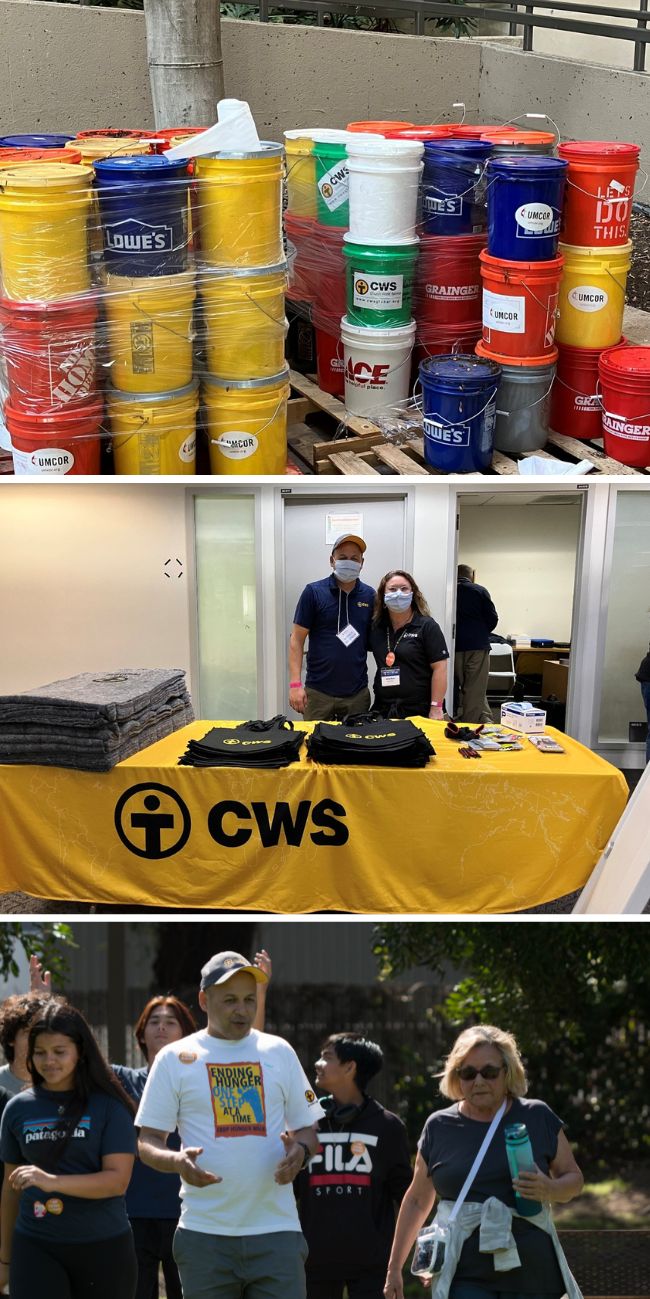
Top and Bottom: Amir Khan and Melissa Reece, EPRR Senior Officer at recent resource hub for California wildfires; Bottom: Amir at the Camarillo CROP walk

Creating Refuge Amidst the California Wildfires

Amir Khan, CWS’ Community Engagement Specialist, shares his experience of helping two young Afghan women navigate a harrowing night during the Los Angeles wildfires. This story highlights the challenges refugees face in disaster preparedness and underscores the importance of culturally competent support, as demonstrated by CWS’ inclusive disaster response initiatives. 

“You’re safe now.” These are the words that Community Engagement Specialist, Amir Khan, told the two young Afghan women when he picked them up from the airport in Los Angeles. As a former refugee himself, Amir understood the weight of these words, especially for these two women who had just fled a Taliban-controlled Afghanistan where their rights and safety were at stake. Amir didn’t expect that shortly after, he would repeat these same words to these two women but in very different circumstances. 

Amir Shares His Story from This Harrowing Day 

“It was close to midnight on January 7, 2025, at 11:55 PM, when I received a call that would set the tone for the rest of my night. The voice on the other end of the line was shaky, filled with fear and uncertainty. Two young Afghan girls, who currently reside in my previous apartment in Lincoln Heights, Los Angeles, were calling for help. They had just heard news of evacuations and strong winds amidst the fire devastation. Though they were far from the flames, the situation—coupled with the language barrier and their inability to drive—left them panicked and in tears.

As I sat there, shaking, memories of my own past flashed before me. I remember how helpless I felt when our home in Afghanistan was burned by the Taliban in late 1998, the ashes of everything we had left behind. I couldn’t think of anything else except that I needed to help them.

‘Get ready,’ I told them. ‘I’ll come to pick you up and bring you to Victorville. You can stay at our home for as long as you need.’ My wife and I have always felt a sense of responsibility for these girls. Their older sister is a close friend of my wife, and we first met them in late 2023. Back then, they had just arrived in the U.S., having worked for the Afghan government. The trauma of their abrupt displacement was evident. They were hesitant, even afraid, to live on their own.

In those early days, we offered them our bedroom, while my wife, kids and I slept in the living room. We wanted to provide them with a sense of safety and comfort in a new, unfamiliar country. Over time, they began adjusting, but the scars of their journey lingered. This latest crisis brought all those fears rushing back. It also reminded me of the importance of being prepared for disasters, whether fires, earthquakes or other emergencies.

Driving through the night to pick them up, I thought about their journey and the challenges they’d faced. As refugees and newcomers, they’ve had to navigate not only a new language and culture but also the emotional weight of leaving everything behind. My wife and I have tried to ease their transition, understanding firsthand the struggles of starting anew in a foreign land.

When I arrived at their apartment, their relief was palpable. They hurriedly packed their belongings, and I reassured them that they would be safe with us. By the time we reached Victorville, it was well into the early hours of the morning. We prepared our home to accommodate them, just as we had done before. Their gratitude was heartfelt, but I couldn’t help but feel that it was simply the right thing to do.”

CWS’ Inclusive Approach to Disaster Response

While recalling this story, Amir explained how resettlement in the U.S. is like arriving in “a new world” where so many things are still unknown. He recalled that in 2019 he experienced an earthquake near his home in Los Angeles which caught him and his family by complete surprise. He added, “Most refugees, especially with the new administration, feel like they are not part of the community. They always feel like they are second-class citizens.” This results in a disconnect between newcomers and the resources and information they need to be safe in their new homes. 

CWS’ Emergency Preparedness Response and Recovery (EPRR) team works to bridge this gap by taking on a culturally competent and inclusive approach to disaster response work. This can look like creating translated educational materials, partnering with local organizations to identify needs and sharing knowledge about refugee communities to bridge gaps throughout the disaster preparedness and response period. Amir shared that through the support of the EPRR team, he was able to share materials with the California Afghan community following the recent wildfires. 

Amir Reflects on the Power of Community 

Reflecting on wildfires and the support he was able to provide Amir concluded, “This experience reminded me of the importance of community and support. For refugees and new immigrants, even small acts of kindness can mean the difference between despair and hope. These young women are still learning English and adapting to life here, but with every challenge, they show incredible resilience. My wife and I are committed to being there for them, offering not just a place to stay but also a sense of belonging.

As the fires continued to rage and the winds howled outside, our home became a sanctuary for these girls. In times of crisis, we all need someone to lean on. For me, it’s a privilege to be that person for them, to offer a helping hand when it’s most needed. It’s a reminder that, even amidst uncertainty, compassion and solidarity can light the way forward.” 

To support individuals affected by recent wildfires, please consider donating to our California Wildfires Relief Fund. You can learn more about CWS’ Emergency Preparedness, Response and Recovery work here. You can also support the Pasadena CROP Walk which will contribute 50% of its funds back to the Pasadena community by donating here. 


Stories of Change


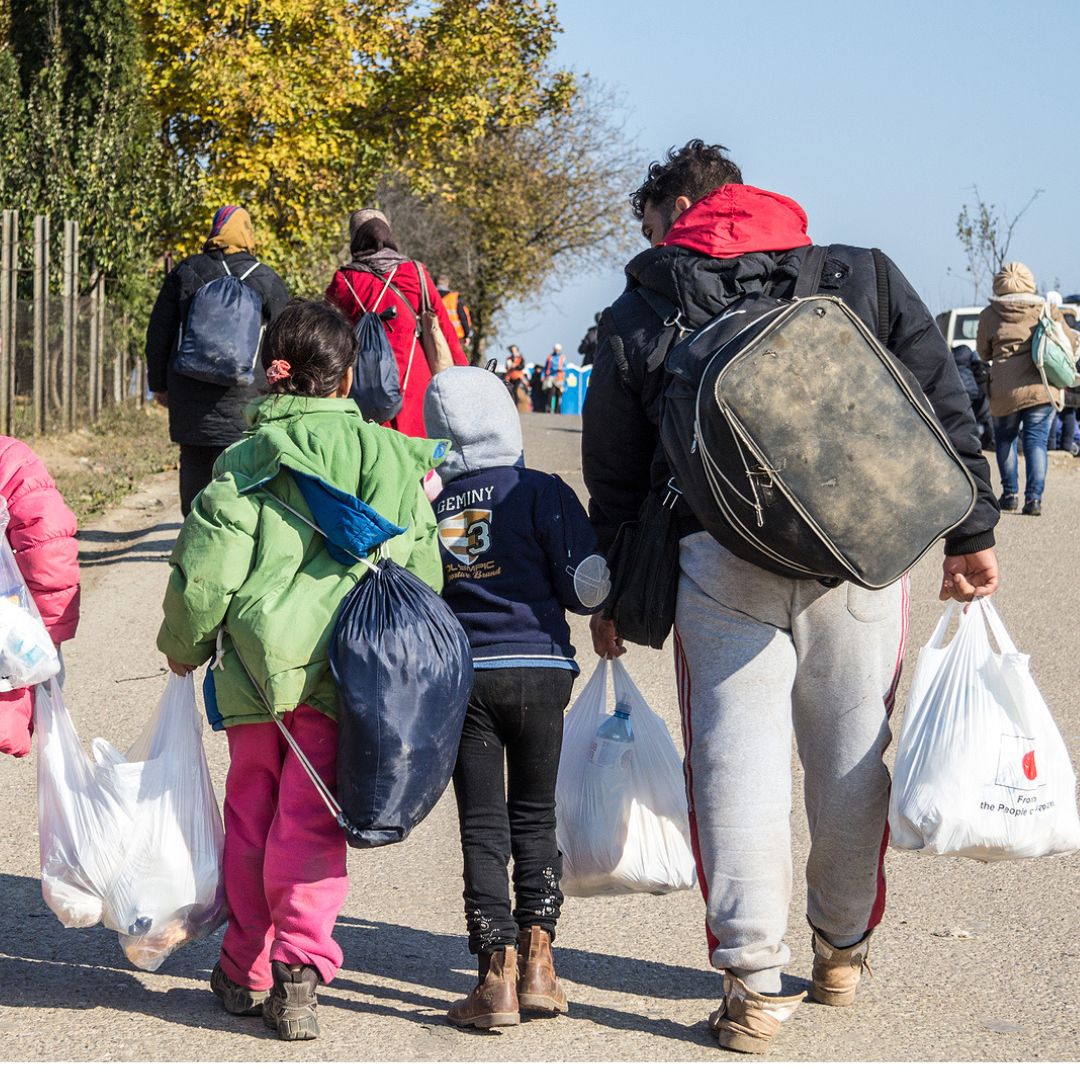
Image of a family from Afghanistan in search of safety

A Family’s Fight for Safety After U.S. Refugee Ban

After fleeing Afghanistan in 2021 due to their work with the U.S. military, Fatima and Omar were eventually resettled in North Carolina, where they have built a new life. However, their joy is overshadowed by fear for their family members still trapped abroad, facing extreme hardship and danger as they await a stalled resettlement process.

Trigger Warning: This story includes graphic depictions of violence.

Fatima and Omar *were evacuated from Kabul in August 2021 as the Taliban retook control of Afghanistan. After two months in Qatar, three months on a military base in New Jersey, and another three months in a hotel in Silver Spring, Maryland, they were finally resettled in North Carolina in May 2022. The couple fled their home country because they had worked alongside the U.S. military in Afghanistan.

Shortly after arriving in Durham, Fatima gave birth to their first child. Last year, she began working as a paralegal, supporting other refugees navigating the immigration system. After two and a half years in the Triangle, Omar says, “We feel safe. But the only thing we are not comfortable with is our family.”

When the Taliban took over, Omar’s brother, who had worked with the U.S. embassy, did not make it onto an evacuation flight. He and his family fled Afghanistan on their own, seeking safety in another Middle Eastern country. They had been moving smoothly through the refugee resettlement process there, waiting for their final travel notification—until the executive order halting all refugee admissions was issued.

Omar explains, “[My brother] cannot go back to Afghanistan. If he returns, they will kill him.” But the country where they sought refuge is no longer extending their visas. Now, they live in constant fear of police and deportation. They rarely leave their home and struggle to access food and medicine. Their children are unable to attend school.

“I’m in a situation where we are not able to do anything for them,” Omar says. “They have four children and are living in one bedroom—six people in one room. The kids can’t go to school. Even my youngest nephew, when he talks to me, sounds depressed. He keeps saying, ‘I want to get to the U.S.’ He’s always on the phone, worrying about the future, instead of playing like a kid should.”

“[My brother] is a hard worker and will be a great addition to this country. He just needs shelter.”

Two months ago, Fatima’s cousin, who had served in the Afghan military, was brutally killed by the Taliban. Now, Fatima and Omar fear their family members waiting overseas may face the same fate if the resettlement process does not reopen.

To learn more about the work of CWS Durham, click here. 

Note: stock image and pseudonyms have been used to protect the identity of the individuals in this story


Stories of Change


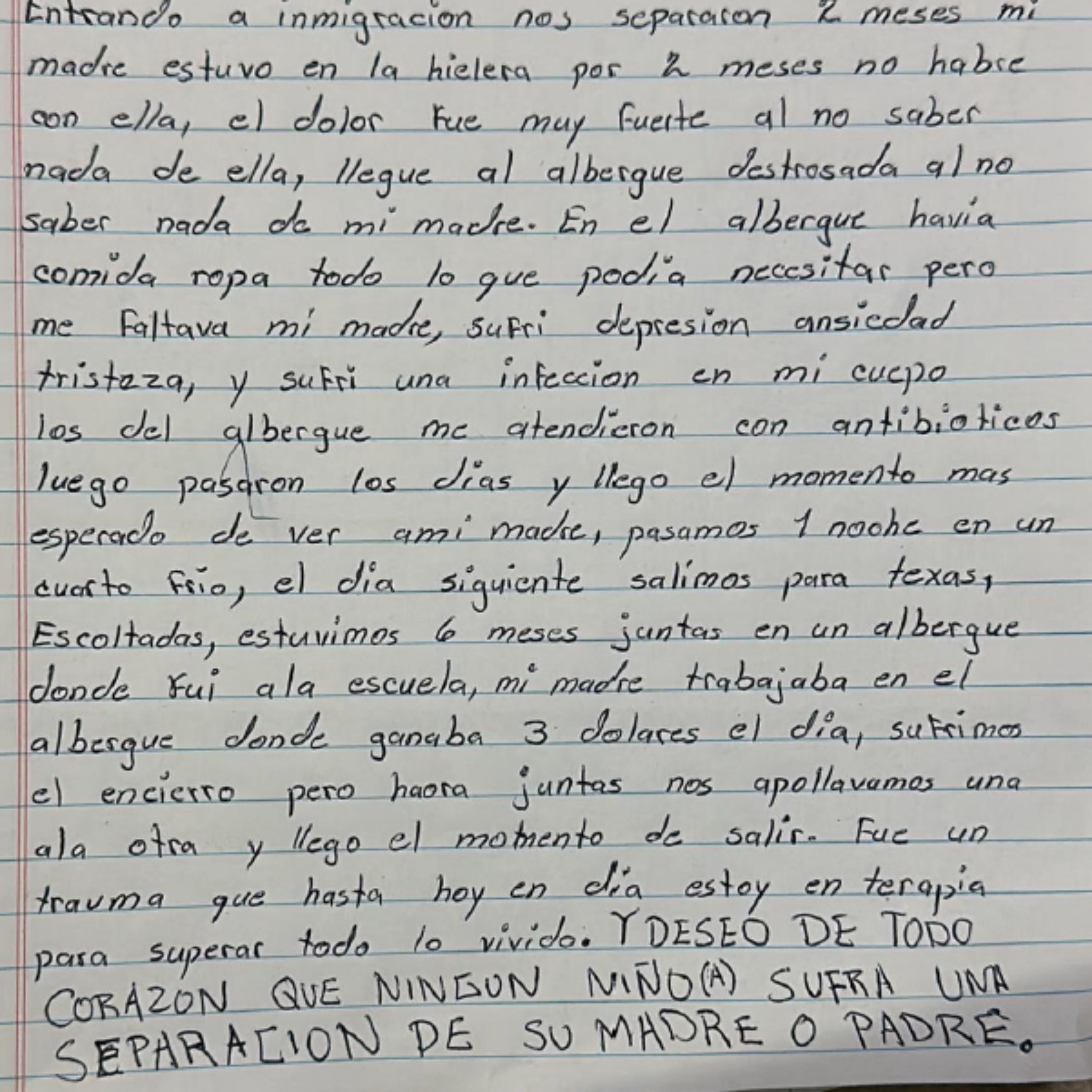
Silvia's letter urging, "And from the bottom of my heart, I wish that no child ever has to suffer the separation from their mother or father."

Faith Amid Fear: A Mother and Daughter’s Separation and Healing

Trigger Warning: This story mentions depictions of violence and sexual abuse.

The following story is about Pilar* and her daughter, Silvia, who fled Guatemala after being targeted by a violent gang, leaving behind their community and the church that had once been their refuge. Upon reaching the U.S., they endured the trauma of being separated under the Trump administration’s Zero Tolerance Policy, followed by months of confinement in detention. Both Silvia and Pilar have written their personal testimonies about the event, which can be read below. 

In their hometown in Guatemala, Pilar and her daughter Silvia found solace in their local church which they would visit almost daily despite the lengthy one-hour long walk to get there. This daily pilgrimage, which provided the pair immense peace away from the challenges they faced in their community, was soon tarnished when gangs started targeting Silvia who had just entered her teenage years. 

“We noticed strangers began to enter the town we lived in but didn’t want to move backward so we kept going with the things of God and continued going to church.” 

A Mother’s Worst Fear is Realized 

The strangers were members of a gang, and their attention soon turned to Silvia. Pilar’s fears were confirmed one afternoon when, on their way home from church, they were ambushed. The men made their intentions clear, telling the women that they would have to stop going to church because “their leader had his eye on Silvia.”  She added, “They told us they would do what was impossible to get what they wanted from my daughter.” The moment they pushed Silvia to the ground Pilar became horrified at what was about to happen to her daughter and began to cry and yell for help. “My screams were so loud that some of the brothers from our church heard and came to help us get out of the situation.” 

Pilar had hoped that the intervention would be enough to deter the gang, but their harassment escalated and soon they began appearing at Pilar’s home. While leaving their country and loved ones was devastating, the weight of the gang’s threats was far heavier so Pilar decided to flee with Silvia to the United States. 

Upon reaching the U.S. border in 2018, Pilar and Silvia’s arduous journey took a devastating turn when they were told that the Trump administration’s Zero Tolerance Policy, which mandated the prosecution of all individuals crossing the border without documents, had just taken effect. Pilar, who had done everything in her power to protect her daughter until that moment, was horrified when as a result of the policy they were forcibly separated.

The following is a personal account from Pilar and Silvia about the event: 

Pilar’s Testimony: 

The purpose of writing this letter is to share the process my daughter and I went through.  

We entered the U.S. in 2018, through San Luis, Arizona. When we turned ourselves in to immigration, it was 2 a.m. I can remember the agents interviewing us and telling us they were very sorry because the Zero Tolerance Policy had already gone into effect, and there was nothing more they could do.  

When they told me they were going to take my daughter from me, it was the greatest pain I’ve ever felt—knowing they were going to separate me from my child. They didn’t tell me where they were taking her. They only said that someone would come for her in a few hours. From that moment, we held hands and began crying together, not knowing when we would see each other again. It was such immense pain to see them take my daughter away.  

The only thing my daughter carried with her was my personal identification (DPI) with my photo. That comforted her, but I was left behind. I spent eight days in “la hielera” (the icebox). After that, they transferred me to Eloy, Arizona. They took me in a van that had no air conditioning, and they left me inside for two hours. During that time, my blood pressure dropped. I had nothing to drink, and I could only tell the other women in the van that I felt like I was going to faint. But thanks to God, I was able to endure it and make it to Eloy detention center.  

When I arrived, they helped me walk because I was very dehydrated from being locked up for so long without water. I was so worried about my daughter. They gave me a room, number 118.  I am writing this letter now, but my tears are falling because it’s not easy to remember all that trauma.  

After that, some of the other women in detention spilled shampoo on the stairs. When I walked down the stairs, I slipped and hit my knee. Out of fear that they might detain me even longer, I didn’t say anything. But they saw me on the cameras and told me it was a serious injury. The next day, my knee was bleeding from the injury. The saddest part was that they didn’t give me any feminine hygiene products, and I suffered a lot because of that.  

After a while, they told me I would be transferred to another detention center in Texas. That was another difficult process, but by then, my daughter and I were reunited.  We spent six months together in detention. We went through very sad moments, but God gave us the strength to endure all that time we spent locked up.  

It’s not easy to forget everything we went through, but with God’s help, I am overcoming it.  I want to thank all of you for the support you have given us. Thank you very much, and may God bless you.  

Silvia’s Testimony: 

When we entered immigration, they separated us for two months. My mother was held in “la hielera” (the icebox) for two months, and I couldn’t speak to her. The pain was overwhelming, not knowing anything about her. I arrived at the shelter heartbroken because I didn’t know where my mother was. At the shelter, there was food, clothing and everything I needed, but I was missing my mother. I suffered from depression, anxiety, sadness and I developed an infection in my body. The shelter staff treated me with antibiotics.

Days went by, and the most awaited moment finally arrived—I got to see my mother. We spent one night in a cold room. The next day, we were escorted to Texas. We stayed together in a shelter for six months, where I went to school and my mother worked at the shelter, earning $3 a day. We suffered through the confinement, but being together, we supported each other.

Finally, the time came for us to leave. It was a trauma that, to this day, I am still in therapy to overcome. And from the bottom of my heart, I wish that no child ever has to suffer the separation from their mother or father.

A Hopeful Future

Five years later, Pilar has settled in North Carolina with her husband and their youngest child, while Silvia, now in her 20s, has built a life in South Carolina with her husband. Both women have found vital support in the resettlement process through CWS and remain steadfast in their faith, which continues to guide them daily. Despite the progress they’ve made, Pilar faces the uncertainty of her immigration status, a weight that lingers over her family’s future. Her greatest dream is to receive the documentation that will secure her family’s ability to stay in the place they feel safe and now call home.

Join CWS as we stand against harmful policies like the Zero Tolerance Policy. Click here to tell Congress & the White House that you OPPOSE Trump’s Indefinite Refugee Ban and Executive Actions Targeting Newcomers. Learn more about the work of CWS SouthEast here.

*Note: For the safety of these clients, pseudonyms have been used in this story and certain elements in their testimonies have been redacted.