IMPACT REPORT • 2026


Image

Dear CWS friends,

This has been a year that has tested us. The needs of those we serve have grown even as the ground beneath our work has shifted again and again. Longstanding partnerships were upended. Funding we counted on disappeared overnight. We said goodbye to talented colleagues and, in some places, to entire offices. None of it has been easy.

Yet, despite it all, we’re still here, and continue to address issues of hunger, poverty, disaster and displacement.

That is not an accident. It is the result of eight decades of showing up: for refugees rebuilding their lives, for communities recovering from disaster, for neighbors who simply need someone to stand beside them. That history has given us something sturdier than any single year’s headwinds: a network of partners, donors and staff who keep showing up, even when things get hard. This year has proved that our roots run as deep as we always believed.

Hope, for us, has never been passive; it is something we build with our hands. When funding fell away, we found new paths forward. When programs were threatened, we fought to protect them. When the need for our work grew louder, we grew louder too, using our voices to demand change and ensure the most vulnerable in our care could be heard.

In the pages that follow, you will see what that looks like in practice. You will meet people whose lives were changed because CWS did not back down when it would have been easier to. You will see a movement of advocates, volunteers and donors who matched every setback with resolve.

We are brave enough to hope, not because the road ahead is easy, but because we have already proven we can walk it. CWS has been tested this year, and CWS has held.

We are still walking forward, together, and I am grateful you are walking with us.

In solidarity,

Image

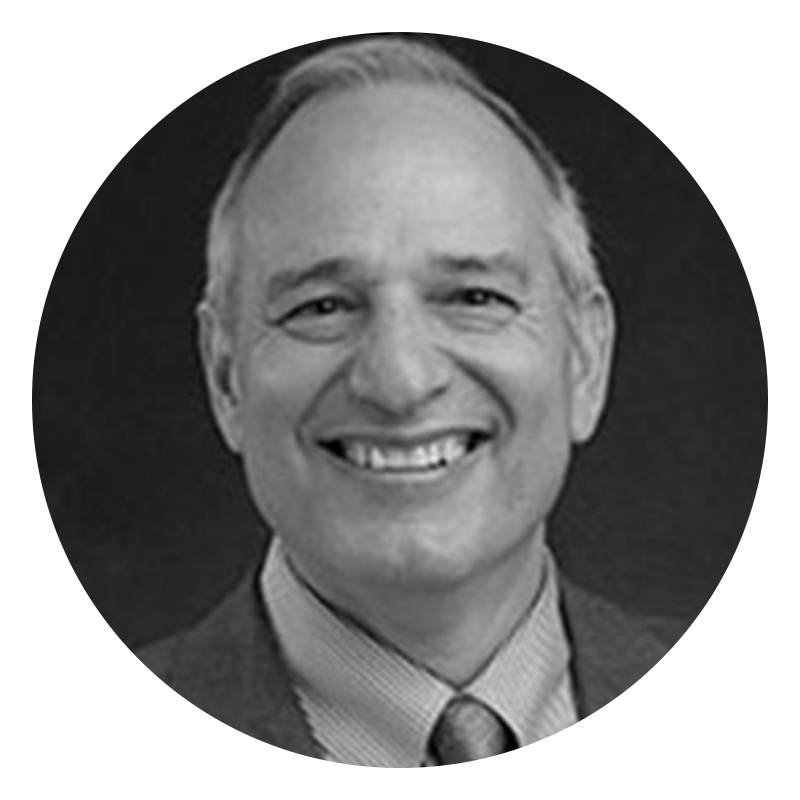
Rick Santos
President and CEO
Church World Service
Image

Holding a Family Together

Victorine's Story

Even in the hardest moments, hope can take root and grow. Just ask Victorine.

After losing both her husband and brother when conflict swept through the Democratic Republic of Congo’s Kasai region, Victorine was left as the sole caregiver of her nine children and five nieces and nephews. While coping with her own grief, she faced the daunting task of keeping 14 children safe, fed and cared for. The violence hadn’t just taken her family; it destroyed her livelihood. Like many in her community, she depended on small-scale farming, but she returned home to find abandoned fields and crops destroyed.

Food shortages became routine. To survive, Victorine and the children walked long distances to gather palm nuts to sell, but the income was rarely enough. Hunger and malnutrition made it difficult to work and provide for her family.

Then, through the support of CWS donors and partners Alongside Hope and the Canadian Foodgrains Bank, help arrived at a critical moment.

That’s when hope began to take root.

Food assistance and seeds became a turning point for her family. The seeds helped her rebuild a reliable source of food and income. Victorine cleared a larger field and planted corn, beans, peanuts and other crops to strengthen her family’s food security. Today, they enjoy two or three meals a day; a welcome change from the single meal they once had.

Just as important was the community she found. Victorine joined a women’s solidarity group, where members worked together on one another’s farms. The group restored a sense of belonging, shared purpose and resilience.

Reflecting on the change, Victorine shared, “Having enough to feed my children means regaining my dignity and my place in life.”

Her children are back in school, and she is once again an active member of her community, building a brighter future for the family she fought so hard to sustain. In a place once marked by loss and uncertainty, hope has taken root and continues to grow.

Image

Advocacy: Rise Up for Refuge

In 2026, refugee and immigrant families across the United States faced growing uncertainty. In response, CWS launched Rise Up for Refuge, a movement grounded in the belief that every person deserves dignity, safety and welcome. With faith communities, partners across the U.S. and supporters like you, we’re taking local action, expanding legal support and amplifying voices calling for compassion and justice. Because of your compassionate action, more families can find hope, protection and community when they need it most.

Read More
Image

HUNGER & POVERTY: PEDRO

Your generosity helps families in Honduras, like Pedro Maldonado’s, chart a different path. Through the Produce Verde project, Pedro and his wife Edis received livestock, training and tools that transformed their small farm into a reliable source of food and income. Today, they raise poultry, improve crop production and share sustainable farming practices with others in their community. “I am where I am today because I have been a bold dreamer and choose to believe and act on the conviction that it is possible,” said Pedro.

Read More
Image

DISPLACEMENT: WARDA

At just 12 years old, Warda arrived in Egypt alone after fleeing hardship in Eritrea. Separated from her family and facing abuse, she turned to a local CWS partner for help. Through safe community-based housing, psychosocial care and emergency assistance, she found stability and support. Thanks to the generosity of friends like you, Warda can focus on school, build friendships and regain confidence in her future. Her journey shows the life-changing difference your compassion can make for a child in crisis.

Read More
Image

DISASTER: CWS JAPAN

You’re helping families around the world rebuild a stronger foundation for their homes and futures. After a devastating earthquake damaged homes and disrupted lives on Cebu Island, Philippines, CWS Japan and local partners supported more than immediate recovery. Through a “building back better” approach, communities received emergency assistance, safer construction knowledge and the support needed to emerge stronger than before. By helping communities heal and rebuild, families are not just rebuilding homes, but building stronger, more resilient lives.

Read More

Our Presence

80 YEARS

1946-present
  • MAY 4, 1946

    Seventeen denominations found Church World Service “to do in partnership what none of us could hope to do as well alone.”

  • 1957

    CWS has been welcoming refugees to the United States since our inception. As we started our second decade, we had already resettled 100,000 refugees.

  • 1969

    Communities in North Dakota, Pennsylvania and California take to the streets in the first CROP Hunger Walks to raise funds and awareness about global hunger.

  • MAY 31, 1970

    A massive earthquake strikes Peru. Within weeks, the CWS Peru team swells from six people to nearly a hundred to undertake a large-scale response.

  • 1980

    The Refugee Act of 1980 passes, establishing the United States Refugee Admissions Program. By this point, CWS had resettled 350,000 refugees.

  • 1983-1985

    In response to severe famine sweeping Ethiopia and the rest of the Horn of Africa, generous individuals and congregations mobilized a response of more than $17 million.

  • 1988

    CWS establishes a “farmer-to-farmer” program in the United States. Farmers in northern states shipped hay, seeds and other supplies to farmers in drought-ravaged southern states who were at risk of losing livestock or even their farms.

  • 2001

    In response to 9/11, CWS launches STAR: Strategies for Trauma Awareness and Resilience training, a global method of addressing psychosocial trauma and healing.

  • 2010

    CWS helps found the ACT Alliance, a global coalition of churches and agencies engaged in development, humanitarian response and advocacy in more than 120 countries.

  • MAR. 11, 2011

    The East Japan Earthquake and Tsunami, and resulting Fukushima nuclear disaster, strike Japan. Nearly 60 years after a massive post-World War II relief effort, CWS returns to Japan. This time, our focus is global advocacy to prevent and respond to disasters.

  • 2020

    CWS launches its Platform for Racial Justice and pledges to implement racial justice, equity and inclusion practices.

  • SEPT. 25, 2024

    CWS opens a new office in Odesa, Ukraine that aims to reach 4,500 people.

  • OCT. 24, 2024

    CWS welcomes 16 new Covenant Members­— denominational partners representing more than 17 million people across the United States and Canada—reaffirming a shared commitment to ecumenical collaboration.

  • JAN. 2025

    President Trump signs an executive order banning refugee resettlement and freezing foreign aid. 12,000 refugees who had flights to the U.S. booked are left in limbo. Stop‑work orders force CWS to suspend resettlement and placement services funded by the government. Mass layoffs follow, leaving severe service gaps for refugees already in the United States.

  • FEB. 2025

    CWS joins HIAS, LCSNW and nine individuals in Pacito v. Trump, the first lawsuit challenging the refugee ban and funding freeze. CWS also launches the “Emboldened Commitment in the Face of Adversity” appeal to raise $5 million over 24 months to defend refugees with legal support, resettlement and global humanitarian aid.

  • MAR.-JUN 2025

    With Covenant Members and supporters nationwide, CWS launches the Ash Wednesday Ecumenical Declaration, a pledge to preserve welcome for all people regardless of faith, language or origin. The declaration gains support from nearly 600 churches and more than 3,000 faith leaders before being presented at the White House in June.

  • MAY 2025

    Due to funding cuts, CWS announces the closure of 11 program offices across the United States.

  • SEPT. 2025

    CWS Africa staff establishes a new program office in the Democratic Republic of Congo.

  • FEB. 2026

    CWS launches Rise Up for Refuge, an inclusive, nonpartisan moral action movement created to strengthen, resource and amplify community-led efforts supporting immigrant and refugee communities.

Spotlights

INSTITUTIONAL DONOR:

The David and Lucile Packard Foundation

CWS is deeply grateful for the generosity of its philanthropic partners. The David and Lucile Packard Foundation has been a vital supporter of CWS’s grassroots movement, Rise Up for Refuge, which strengthens, resources and amplifies community-led efforts supporting immigrant and refugee communities. Packard’s funding is helping CWS strengthen a national network of local actors and faith communities supporting impacted neighbors.

The Packard Foundation works with people and communities to create enduring solutions for just societies and a healthy, resilient natural world. The foundation supports civil society and inclusive institutions to build just and equitable societies.

INSTITUTIONAL DONOR:

Lilly Endowment Inc.

CWS is deeply grateful for the generosity of its philanthropic partners. Lilly Endowment Inc. has been a vital supporter of CWS's disaster preparedness and response work through its Hope After the Storm initiative. As disasters grow more frequent and intense, and as the role of government has its limits, Lilly Endowment's funding is helping CWS invest in sustainable capacity and engage local partners, so that communities across the country are better prepared to respond and become more resilient.

Lilly Endowment Inc. was founded in 1937 and supports causes in community development, education, and religion. Through its initiative, Hope After the Storm, Lilly Endowment is supporting efforts to strengthen the capacity of faith-based organizations to respond effectively to disasters nationwide.

THE TIE THAT BINDS

By Fletcher Farrar

Church World Service has done us a service by opening the world to Mary and me. For 50 years we’ve walked with our church in the annual CROP Hunger Walk, a reminder of our connection to those in need around the world who walk for water, food and justice. The CROP discipline led us to global education workshops, then to travel with CWS. We’ve seen the Taj Mahal and, just as inspiring, a compost pit in India, latrines at a school in Vietnam and an entrepreneur-owned barbershop in Rwanda. The check we write to CWS each fall – though small relative to the world’s need – seems big to us. Not only does it help to sustain the work of Church World Service, it also strengthens our connection to the world.

Fletcher Farrar and Mary Jessup are members of First Church of the Brethren,
Springfield, Illinois.

Spotlights

INSTITUTIONAL DONOR:

David and Lucile Packard Foundation

CWS is deeply grateful for the generosity of its philanthropic partners. The David and Lucile Packard Foundation has been a vital supporter of CWS’s grassroots movement, Rise Up for Refuge, which strengthens, resources and amplifies community-led efforts supporting immigrant and refugee communities. Packard’s funding is helping CWS strengthen a national network of local actors and faith communities supporting impacted neighbors.

The Packard Foundation works with people and communities to create enduring solutions for just societies and a healthy, resilient natural world. The foundation supports civil society and inclusive institutions to build just and equitable societies.

INSTITUTIONAL DONOR:

Lilly Endowment Inc.

CWS is deeply grateful for the generosity of its philanthropic partners. Lilly Endowment Inc. has been a vital supporter of CWS's disaster preparedness and response work through its Hope After the Storm initiative. As disasters grow more frequent and intense, and as the role of government has its limits, Lilly Endowment's funding is helping CWS invest in sustainable capacity and engage local partners, so that communities across the country are better prepared to respond and become more resilient.

Lilly Endowment Inc. was founded in 1937 and supports causes in community development, education, and religion. Through its initiative, Hope After the Storm, Lilly Endowment is supporting efforts to strengthen the capacity of faith-based organizations to respond effectively to disasters nationwide.

THE TIE THAT BINDS

by Fletcher Farrar

Church World Service has done us a service by opening the world to Mary and me. For 50 years we’ve walked with our church in the annual CROP Hunger Walk, a reminder of our connection to those in need around the world who walk for water, food and justice. The CROP discipline led us to global education workshops, then to travel with CWS. We’ve seen the Taj Mahal and, just as inspiring, a compost pit in India, latrines at a school in Vietnam and an entrepreneur-owned barbershop in Rwanda. The check we write to CWS each fall – though small relative to the world’s need – seems big to us. Not only does it help to sustain the work of Church World Service, it also strengthens our connection to the world.

Fletcher Farrar and Mary Jessup are members of First Church of the Brethren,
Springfield, Illinois.

Top Institutional Funders
Image
Image
Image
Image
Image
Image
Image
Image
Image
Image
Image
Image
Image
Image
Image
Image
Image
Image
Image
Image
Image

Covenant Members

  • African Methodist Episcopal Church
  • African Methodist Episcopal Zion Church
  • Alliance of Baptists
  • American Baptist Churches USA
  • Christian Church (Disciples of Christ) in the United States and Canada
  • Church of the Brethren
  • Community of Christ
  • The Episcopal Church
  • Evangelical Lutheran Church in America
  • International Council of Community Churches
  • Moravian Church in America
  • Philadelphia Yearly Meeting of the Religious Society of Friends
  • Presbyterian Church (USA)
  • Reformed Church in America
  • United Church of Christ
  • United Methodist Committee on Relief (UMCOR) and the General Board of Global Mission (GBGM), The United Methodist Church

Donate

With your support, we can continue to impact lives and help transform communities across the globe.
Donate Today