
People around the world experiencing conflict, crisis and trauma need mental health support to prevent severe, lifelong effects. CWS’s locally led, trauma-informed mental health programs help people affected by crisis cope, recover and begin to rebuild their lives.

May is Mental Health Awareness Month, but the need isn’t seasonal. For the millions of people navigating crisis around the world, access to mental health support is an urgent, daily need.
Why is Mental Health Essential for Communities in Crisis?
In the communities where CWS works, mental health is not a secondary need. It is essential to recovery and shapes whether a child displaced by conflict can return to learning, whether a parent can regain stability after losing their home and whether survivors of violence can begin to heal and rebuild their lives.
Today, more than 300 million people around the world are in need of humanitarian assistance. Many are living through prolonged instability, repeated trauma and limited access to even basic services.
When mental health needs go unmet in crisis settings, all other support becomes less effective. For families already navigating food insecurity, limited healthcare or systemic inequality, the added burden of unaddressed trauma can undermine recovery and resilience.
The effects are especially visible in the aftermath of displacement and disaster. Even as immediate needs like shelter and food are met, the psychological effects of loss, uncertainty and upheaval can persist for years, slowing recovery and increasing vulnerability to future shocks.
At its core, prioritizing mental health is about dignity. It’s about ensuring that people not only survive crisis, but have the support they need to move forward with stability, purpose and hope.
The Numbers: Mental Health in Humanitarian Contexts
The scale of the global mental health crisis is immense:
- In humanitarian settings and conflict zones, rates of depression and anxiety are estimated to be more than double the global average.
- More than one in five people (22%) in conflict-affected areas live with depression, anxiety, PTSD or other mental health conditions.
- In low- and middle-income countries, over 75% of people in need of mental health support receive no treatment—exacerbating existing humanitarian needs in those communities.
- More than one in six children worldwide live in conflict zones, where exposure to trauma significantly increases the risk of mental health challenges.
- Less than 2% of global health funding goes to mental health, and even less reaches humanitarian settings.
These numbers represent real people in the communities where CWS works. When these needs go unaddressed, the impact extends beyond individuals, affecting families, livelihoods and entire populations.
How Does CWS Support Mental Health?
CWS works alongside communities to expand access to mental health and psychosocial support for people navigating crisis. Through locally led, trauma-informed and culturally sensitive approaches, CWS helps people heal, rebuild and move forward with dignity.
Supporting the Haitian Community Through Culturally Rooted Care
In the United States, CWS supports members of the Haitian community through Lakou Tanama healing spaces. These virtual, community-based gatherings provide culturally grounded mental health support that help participants heal from trauma. Rooted in African and Taíno traditions, Lakou Tanama integrates psychology, spirituality and community action, enabling participants to reclaim identity, challenge harmful narratives and confront stigma surrounding mental health. The virtual model enables participation across the Haitian diaspora and ensures continuity of care, even for individuals facing displacement, deportation or barriers to in-person services.
Protecting the Mental Health of Migrant Children
For many children arriving in the United States seeking safety, uncertainty often follows. CWS supports unaccompanied migrant children and families by ensuring they are safe, supported and connected to essential services. Through trauma-informed, child-centered care, CWS helps caregivers meet children’s emotional, legal and basic needs. In 2025, we supported more than 3,000 unaccompanied children across 48 U.S. states, helping them navigate complex legal systems and begin to heal from traumatic experiences.
Trauma-Informed Care for Ukrainian Refugees
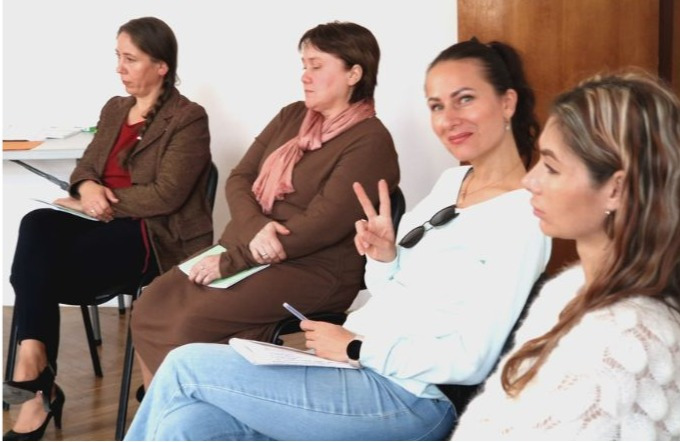
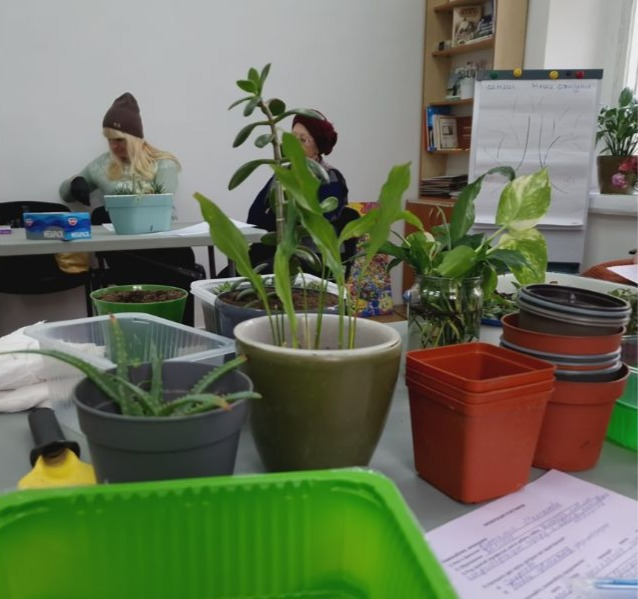
In Ukraine and Moldova, CWS partners with local organizations to support Ukrainian refugees and host communities with essential services, including basic needs, medical care, protection and mental health and psychosocial support. In Chișinău, Moldova, CWS partnered with Memoria, a center dedicated to survivors of gender-based and state-sanctioned violence, to provide survivor-centered, trauma-informed care. Memoria offers comprehensive services, such as trauma assessments, psychological counseling, medical screenings, treatment and referrals. By actively involving Ukrainian participants in organizing psychosocial activities, the program fosters trust, peer support and community connection, with participants encouraging others to take part. Through this approach, Memoria creates safe spaces where individuals feel empowered to share their experiences and access critical support. Since 2023, CWS’s partnership with Memoria has reached approximately 3,000 people.
Mental Health Support After Disaster in the Philippines
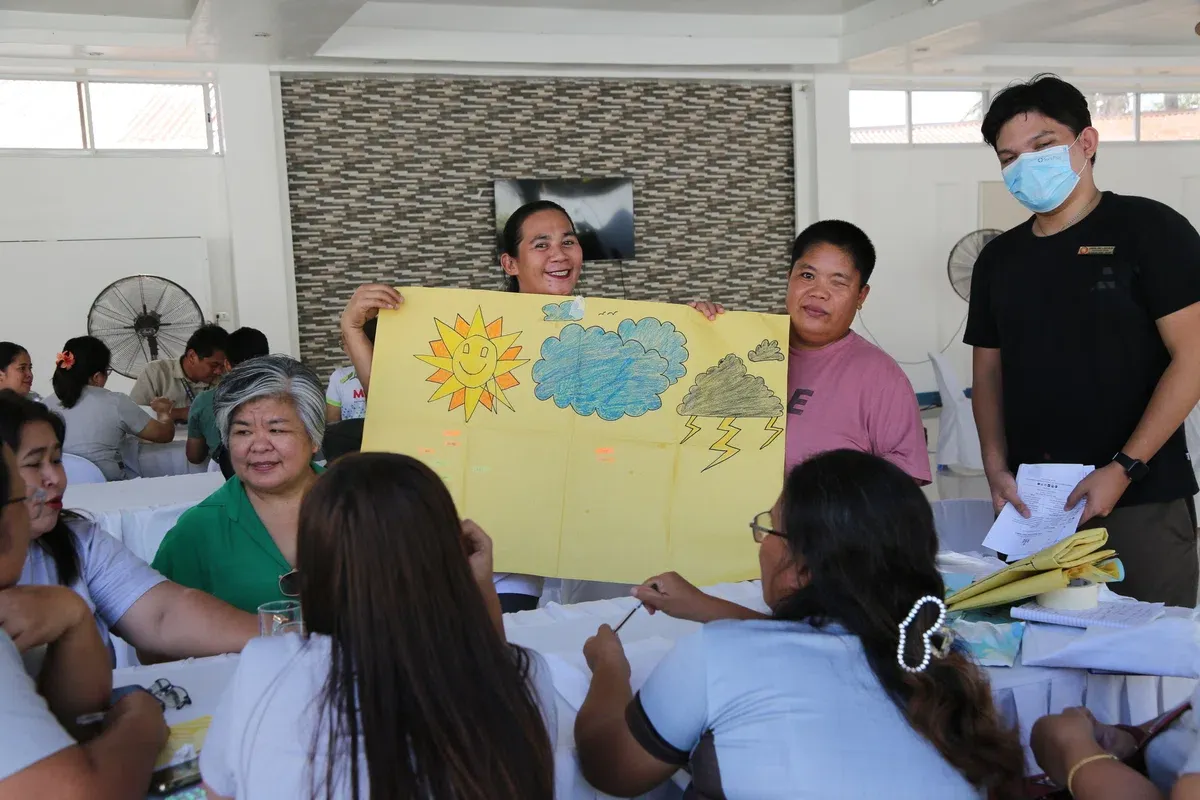
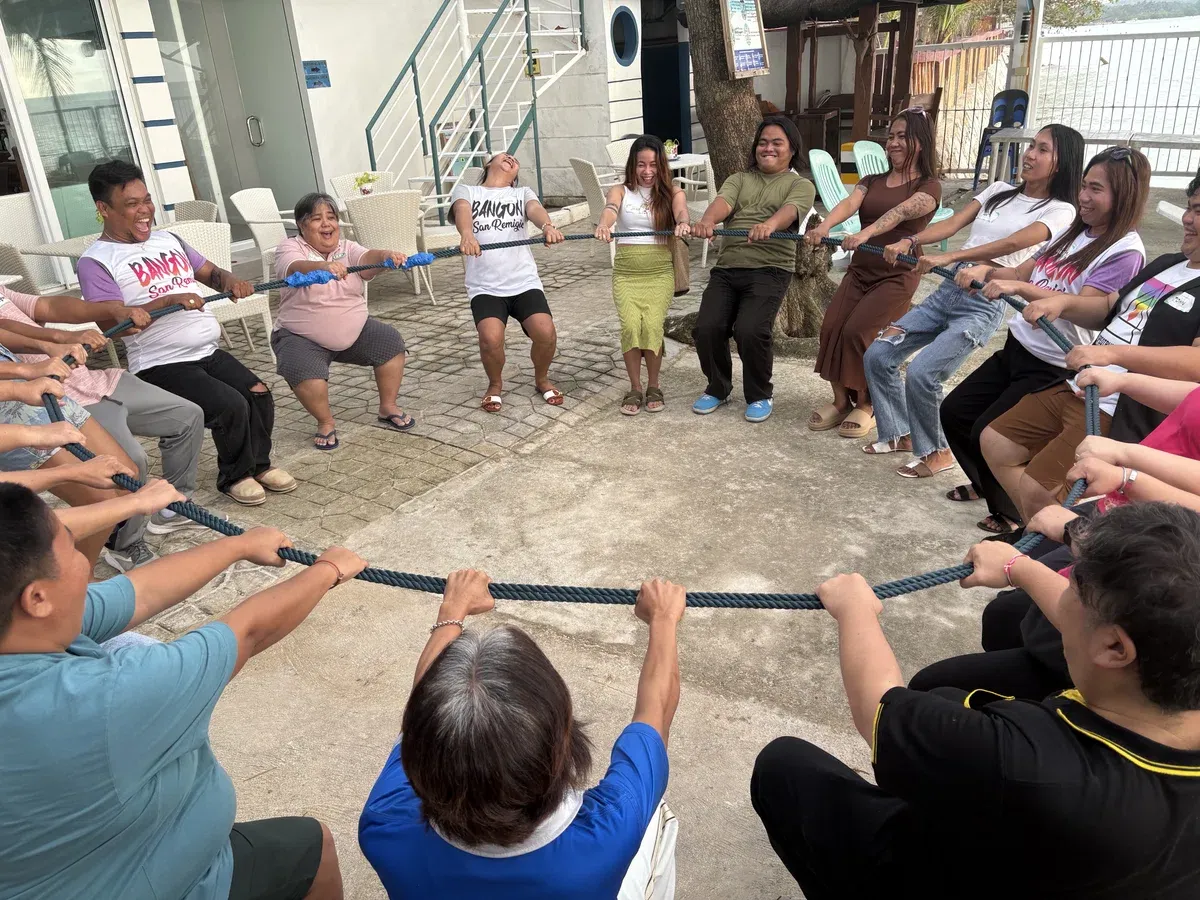
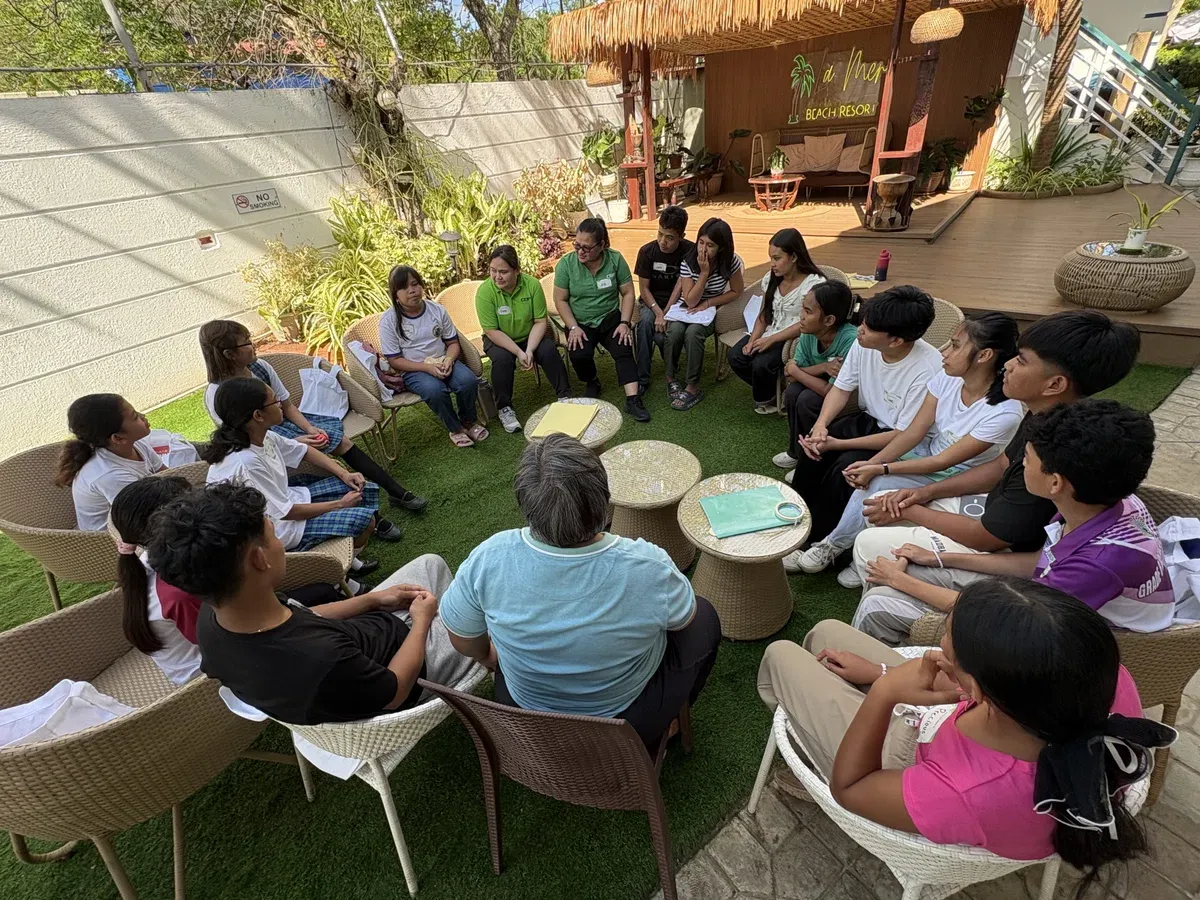
Survivors of disasters often face lasting mental health challenges, including anxiety, stress and deep uncertainty about the future. In addition to disaster recovery efforts, CWS provides mental health and psychosocial support for communities moving forward after crisis. Following the 6.9-magnitude earthquake in the Philippines in September 2025, CWS Japan trained 16 local volunteers in psychological first aid, equipping community members with the skills to support one another long after the immediate response ends. By building local capacity, CWS is helping to establish a sustainable, community-based system of mental health support and strengthening resilience to future climate-related disasters.
CWS is committed to ensuring that the communities we serve have access to the care, support and dignity they deserve. Donate now to help us provide essential mental health support for communities affected by crisis around the world.