
Earlier this year, Joel Malebranche, CWS Director of International Programs, traveled to Haiti to visit CWS programs and long-standing partners working to strengthen food security, water access and community resilience.
In a context where international funding has declined and needs continue to grow, his visit highlighted both the challenges communities face and the critical role of trusted local partnerships.
Below, Joel shares insights from the field and reflects on how this work goes further than short-term aid alone.
For people who may not be very familiar with Haiti today, how would you describe the social, political and economic reality you encountered during your visit—and why that context matters for humanitarian work?
A: Since January 2020, Haiti has had no functioning parliament, and since the assassination of the president, the country has had no elected government. Security has drastically disrupted daily life for most Haitians, affecting both economic stability and personal safety. International flights to the capital have been suspended, which further isolates the country. In the Lower Northwest, where CWS works, the region feels largely forgotten. Security is not as much of a concern there, but infrastructure makes movement costly and time-consuming, and poverty is a real concern. Humanitarian work can’t be transactional or short-term. It requires sustained accompaniment, and trips like this highlight why that matters. We are walking alongside communities and helping them over time.
What were the most urgent needs you noticed across the communities you visited?
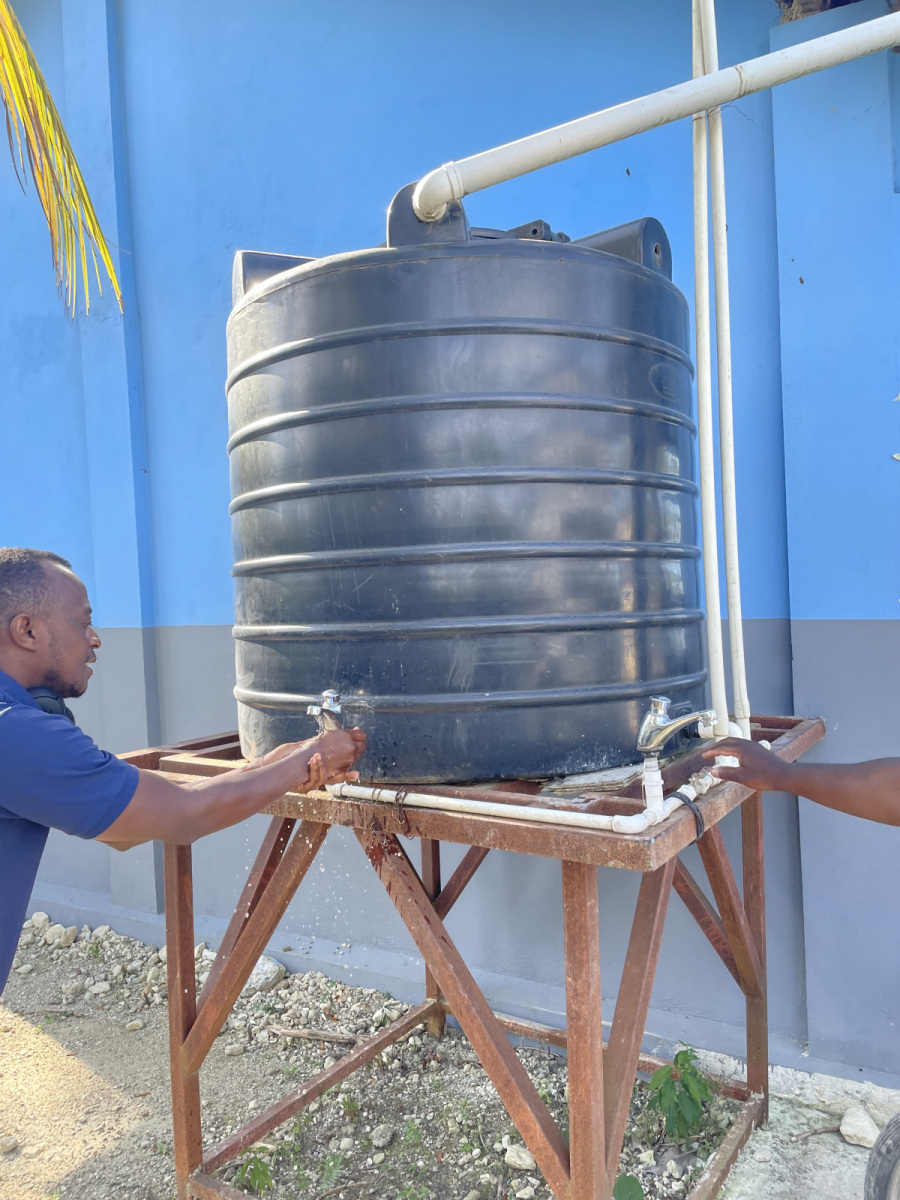
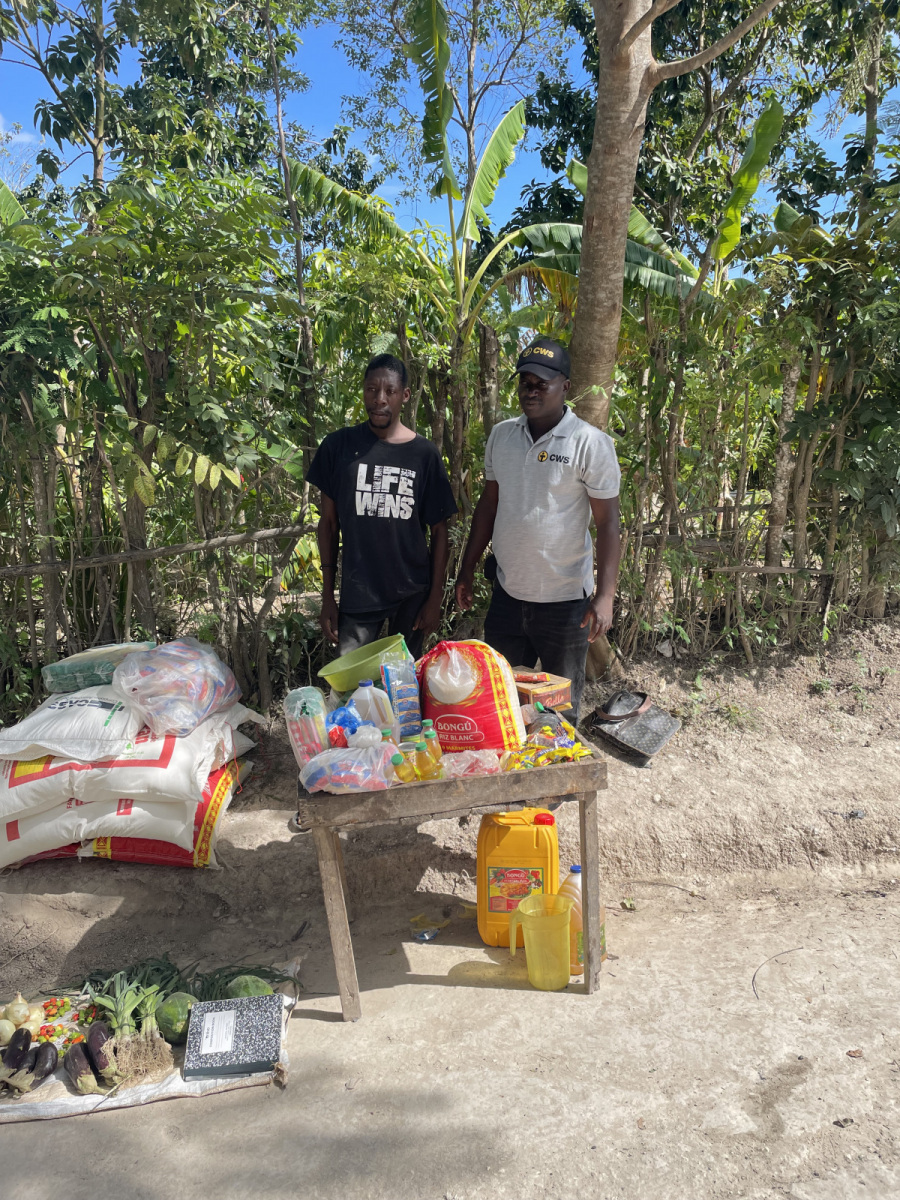
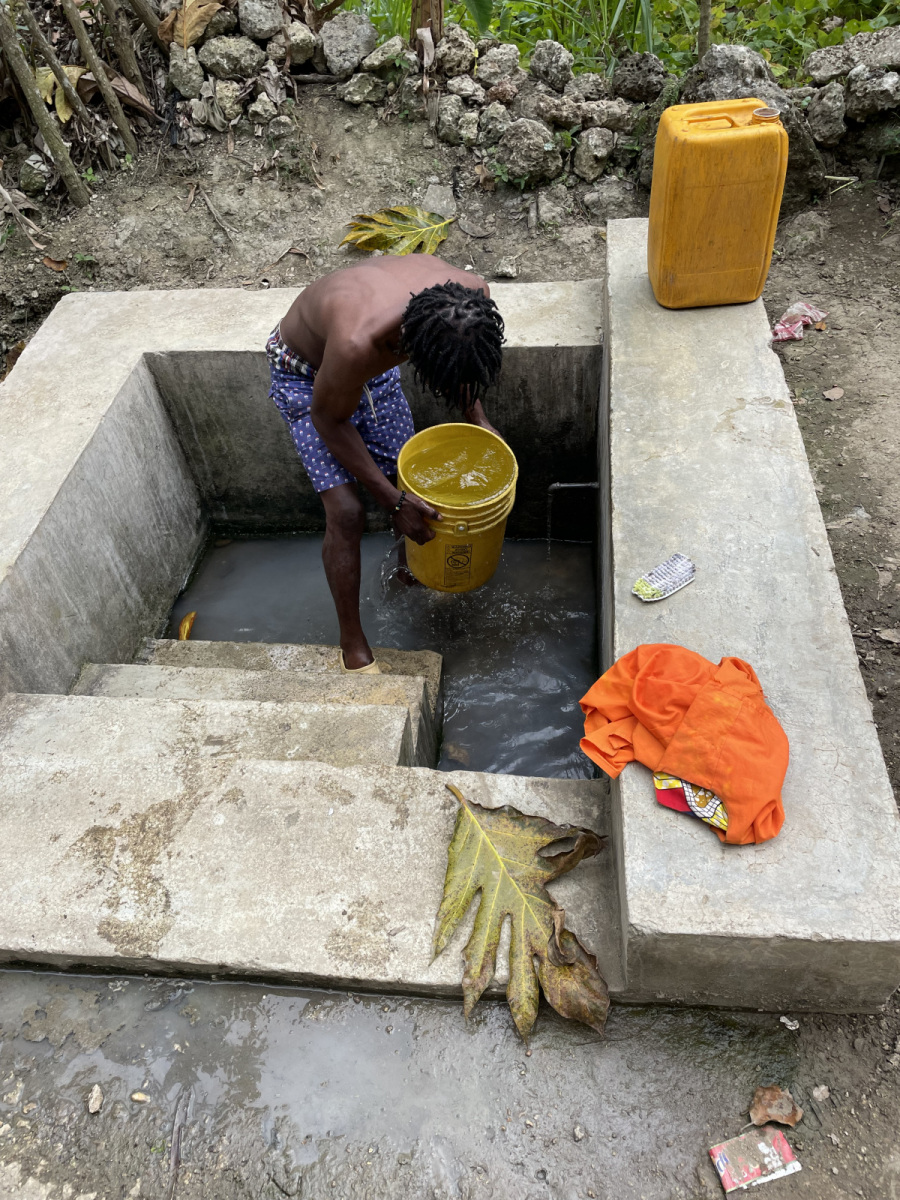
A: The most urgent needs we saw across communities were access to safe, potable water and economic empowerment. In several communities where CWS works, we’ve helped establish groundwater harvesting and water systems that have made a real difference. Economic empowerment is equally critical, and both needs are directly tied to food security. Kids are out of school, and people are out of work. People want opportunities to earn a living, which is essential for building long-term stability.
What are some of the biggest challenges to providing comprehensive services in Haiti right now, from infrastructure to funding gaps?
A: Security is the biggest challenge right now—it sits at the top of the list. Although the areas where CWS works in the Lower Northwest are not experiencing violence in the same way as other regions, broader insecurity still has profound impacts. It disrupts supply chains, fuels inflation and affects the economy even in the northwest. Infrastructure is another major challenge. Roads are in extremely poor condition; a one-hour trip can take six hours or more. That reality makes everything harder, from disaster response to operating schools. Despite security challenges, poor infrastructure and funding gaps from donors pulling back, communities and local partners continue to push forward.
With many international donors pulling back, how is the current funding gap affecting communities, and what risks does that create if support slows or stops?
A: In the Lower Northwest, the challenge is not a lack of capable organizations, but a growing gap between community needs and available resources. Many trusted local partners are being forced to scale down sharply, operating with volunteers and suspending activities they know are working because funding is no longer there. Farmers receive less technical support, schools struggle to operate and food security is likely to decrease further. One partner shared that kids are working a lot more when they should be in school. Haitians in these communities don’t need or ask for much—food on the table, a roof overhead and the ability to send their kids to school—but when gaps exist, even those basics become difficult.
Despite these challenges, what examples of resilience or solidarity stood out to you during your visit?
A: What stood out most is that communities are not just asking for funding. They’re asking for accompaniment and partnership. Even as resources shrink, these groups are focused on fixing systems, not implementing short-term fixes. Solidarity is especially visible around water access. In several communities, households selected to receive running water taps open their homes so neighbors can access water. This is not required—it’s a community decision grounded in trust and resilience. Women’s groups also continue to pool savings, share knowledge and support one another even as external funding slows.
How do long-term partnerships (like those with Latter-day Saint Charities, Growing Hope Globally and local community-based organizations) strengthen communities in ways short-term aid cannot?
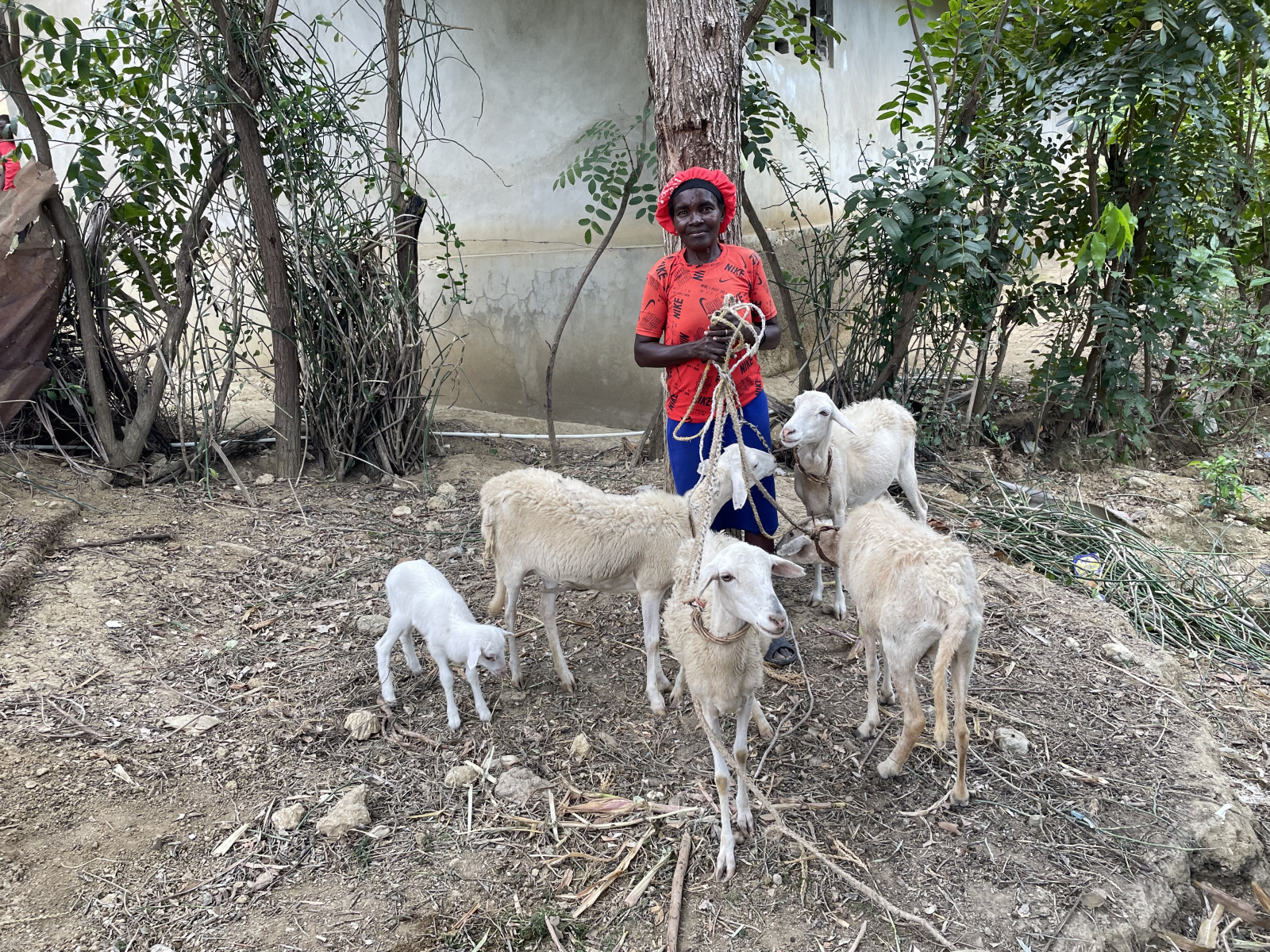
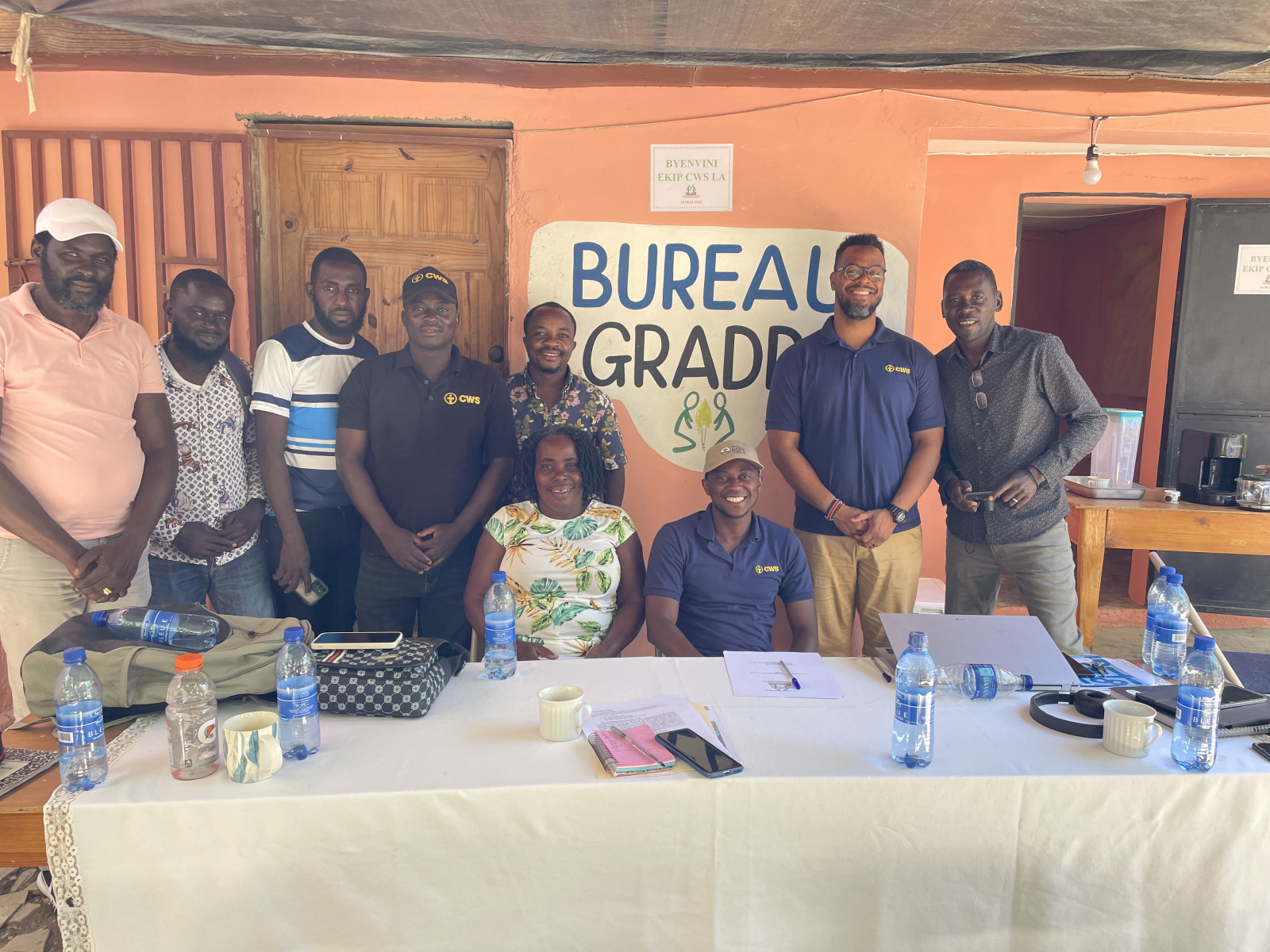
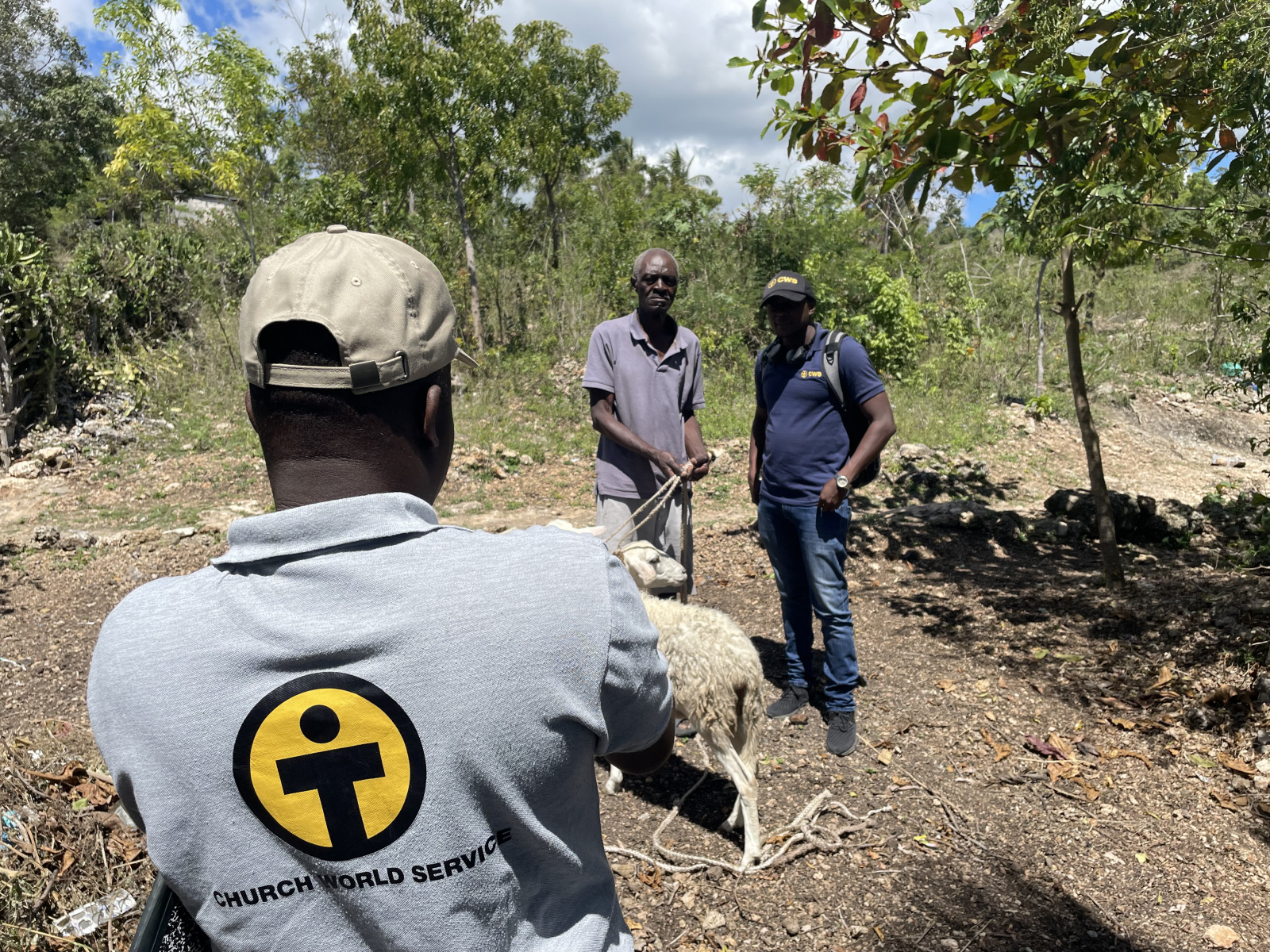
A: Long-term partnerships allow CWS to move beyond short-term relief toward lasting change. Through sustained work with community-based organizations, CWS maintains a consistent presence, builds trust and integrates emergency response with long-term development. Programs function as a circle, not standalone projects, helping families stabilize income and meet basic needs over time. With Latter-day Saint Charities, for example, the livestock pass-on system continues for many years after formal programming ends. Families not part of the program care for animals because they know they’ll benefit from the offspring. That solidarity within the community stands out and extends the impact beyond the program itself.
Can you share a specific moment or example from your visit that shows how CWS programs are helping communities build long-term resilience?
A: There were many moments, but one that stands out happened during a pig distribution, in Bombardopolis, where we saw firsthand how families were benefiting from multiple CWS programs at the same time. Households were raising pigs through Latter-day Saint Charities programming, accessing water through our funding via Growing Hope Globally, and receiving support to start small businesses. These were not isolated interventions—they were designed to reinforce one another. One participant shared how the pig program helped put his children through school. He raises, sells and consumes the pigs, does well in his community and shares that knowledge with others. Because families have access to water, livestock and income-generating activities, they are better able to handle economic shocks.
What do you think is most often misunderstood or overlooked about humanitarian work in Haiti, especially by people who only see crisis-driven news coverage?
A: One of the most overlooked aspects is that much of the work is internally led at the community level. Haiti is more than Port-au-Prince, yet attention often focuses only on the capital. CWS works far outside of it. What makes the approach effective is working alongside strong local community-based organizations. They understand their communities’ needs and priorities, drive the work and build lasting impact that short-term responses can’t achieve. When emergencies happen, that strong foundation is already in place.
In a moment when global attention has moved elsewhere, why do you believe continuing to invest in Haiti is both necessary and meaningful?
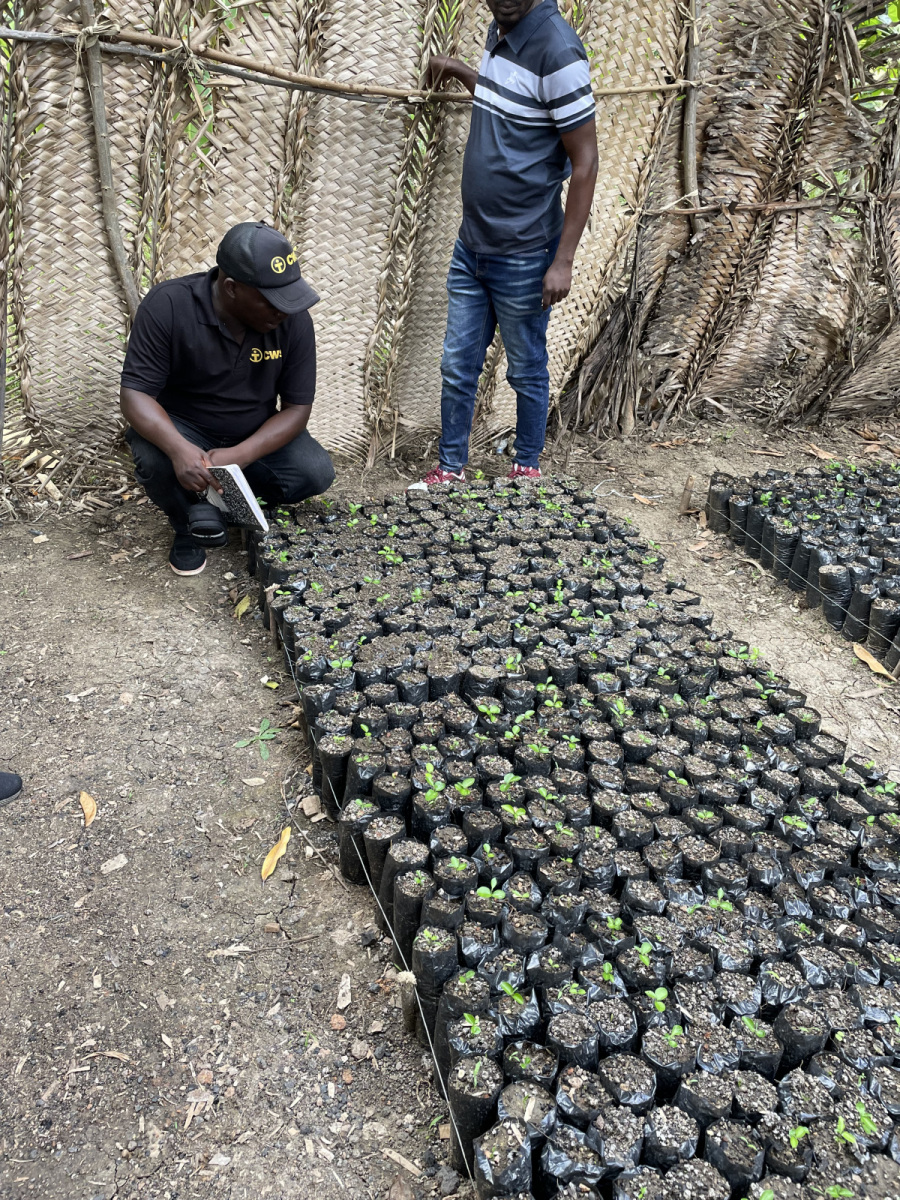
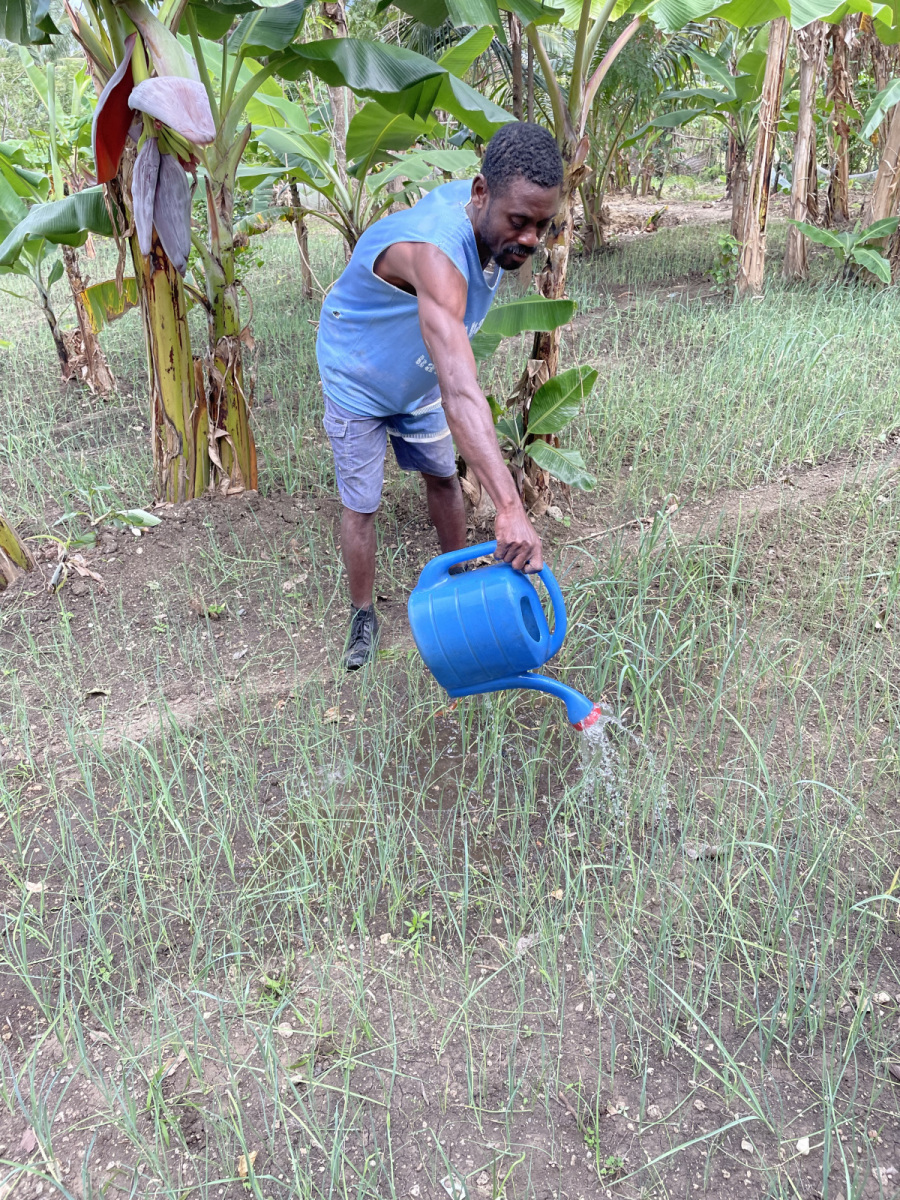
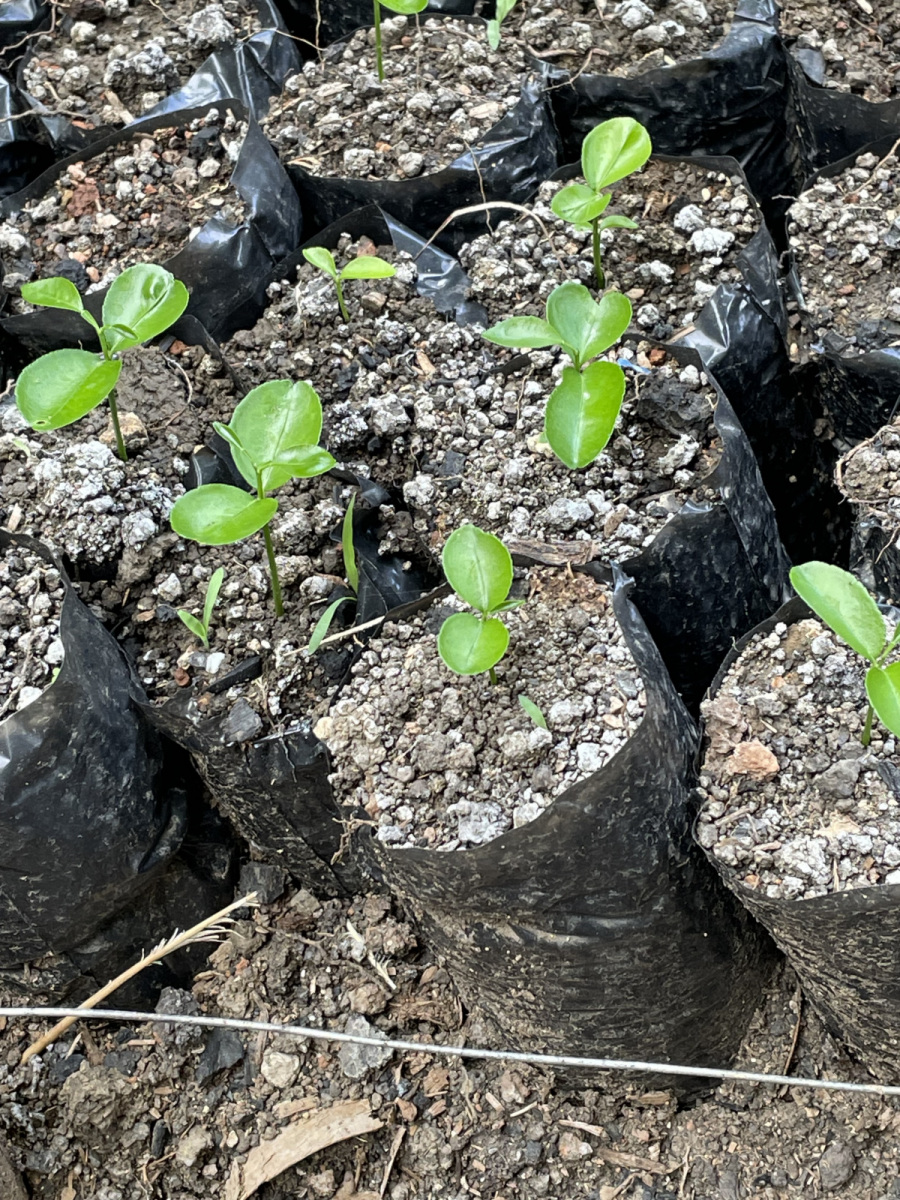
A: Continuing to invest in Haiti is necessary and meaningful because it lays the foundation for rebuilding the country in the future. In a context where armed groups can recruit youth and children, investment creates opportunities and helps prevent risky migration. CWS’s approach—economic empowerment, climate-smart agriculture, livestock, seed banks, access to water and support for strong local organizations—helps communities live as close to stable, normal lives as possible. These tools remain long after a single project ends.
After visiting these communities and partners, what is one key takeaway you hope people remember about Haiti and CWS’s work, and why continued support matters now more than ever?
A: I hope people remember that the work CWS is doing in Haiti is working. It is making a real, tangible difference through long-term partnerships and community-driven programs, helping families feed their children, keep them in school and invest in their communities. Continued support matters now more than ever. Communities are facing climate shocks and reduced international funding, but sustained investment preserves trust and reinforces progress. Haiti is not defined solely by violence, and where we work, the impact is primarily economic. The work is working, and we are grateful to partners who help make it possible.
We are grateful to our partners like Latter-day Saint Charities and Growing Hope Globally, who make these efforts possible. Learn more about CWS’s work in Haiti here.