Stories of Change


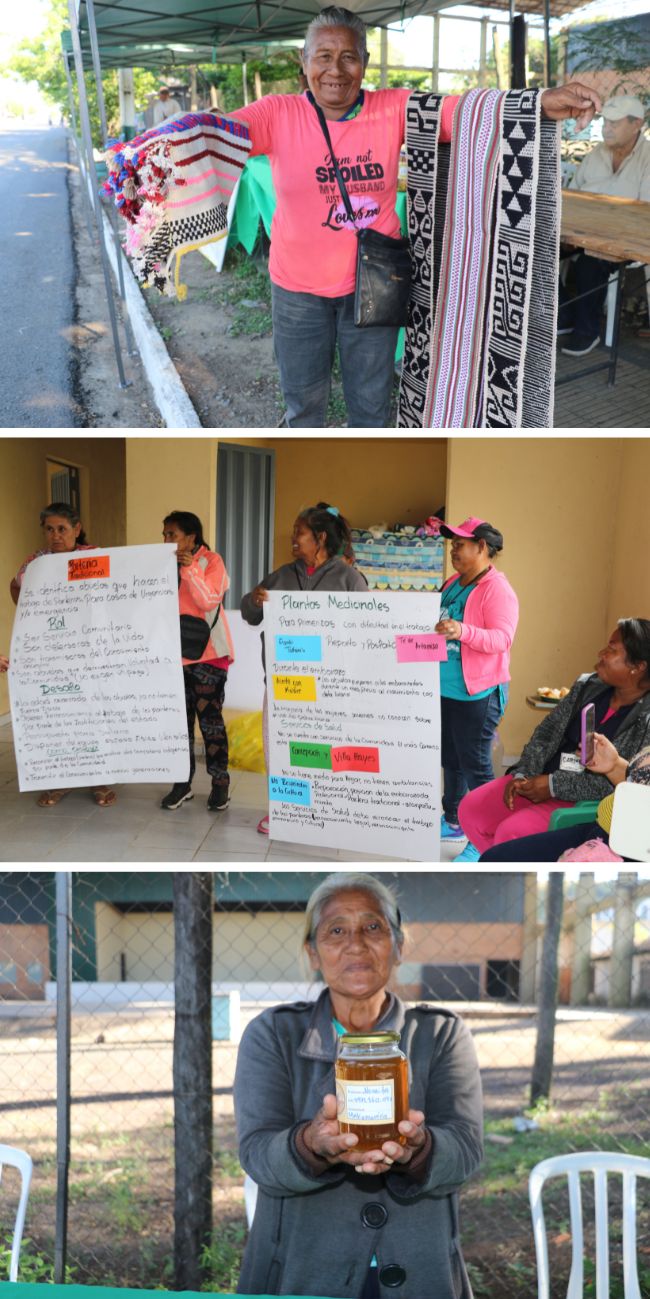
Top and Bottom: Program participants pose at a local honey fair Middle: Midwives present at an educational training

Indigenous Women Driving Change in the Paraguayan Bajo Chaco

In Paraguay’s Bajo Chaco region, nine Enxet Sur Indigenous communities are strengthening leadership, securing access to safe water and building sustainable livelihoods. Through training, advocacy and productive activities like beekeeping and home gardens, families are gaining greater autonomy, economic stability and the tools to defend their rights.

Over the past three years, nine Indigenous communities of the Enxet Sur people in the Paraguayan Bajo Chaco have worked to strengthen community leadership, defend their rights and build sustainable livelihoods. The Pastoral Social Diocesana de Benjamín Aceval (PSDBA), with support from Church World Service (CWS) and Growing Hope Globally, has led the Integral Rural Development in Nine Indigenous Communities of the Paraguayan Bajo Chaco project, now in its final year.

Communities face persistent challenges including limited access to safe water, weak health and education services and vulnerabilities related to climate change. The project has focused on building local capacity, strengthening community leadership and supporting their advocacy for basic rights.

Water and Honey: Engines of Well‑Being

In the last year, more than 300 people—mostly women—participated in 70 workshops on water purification, leadership, human rights, Indigenous education and climate change adaptation. Productive initiatives such as beekeeping, home gardens and small livestock rearing are now strengthening food security and family income.

In addition, more than 50 families are producing honey, and 10 villages sell up to 70% of their harvest in fair markets. “Thanks to them [the bees], I already bought my refrigerator, bed and freezer,” shared Genara Martínez, from the Espinillo community.

Access to clean water remains critical. Since water comes from shared tajamares (small community rainwater ponds), simple purification practices are vital. At least 150 households now boil or treat their water, and 16 community water structures have been built or improved. As Elsy Ramos of Yakye Axa explained, “We learned that by purifying the water, we prevent diseases like diarrhea.”

Defending Their Rights

For many participants, this is the first time they have received training on their rights as Indigenous peoples. In 2025, more than 230 women were trained in human rights and community leadership. “It is the first time we are being trained in our rights. We are very happy with you; you open our eyes and help us learn more about our Indigenous law,” said Julia, one of the participants.

The demand for water remains urgent. “If we do not have water, we cannot do anything—we cannot cook or bathe, and the children cannot bathe,” said Aparicia González from Sawhoyamaxa.

Where abandonment once prevailed, hope is taking root. As the project nears completion, communities are more organized, women are more empowered and families have stronger tools to claim and defend their rights.

This program is  implemented by our local partner, Pastoral Social Diocesana Benjamin Aceval, with financial support from Growing Hope Globally. To learn more about our work in Latin America, click here.
Honoring the Life and Legacy of Rev. Robert Lawrence “Lonnie” Turnipseed


February 2, 2026

Church World Service joins colleagues and partners around the world in remembering Rev. Robert Lawrence “Lonnie” Turnipseed, who served CWS with profound dedication and visionary leadership. A memorial service will be held on February 28, 2026 at 2:00 p.m. at Derstine Chapel, 275 Dock Drive, Lansdale, PA. More details about the service can be found here.  A Leader Rooted in Global Mission Lonnie’s connection to …

Finding Safety and Hope Along the Thailand–Myanmar Border


January 30, 2026

Trigger warning: This story contains references of depression and suicidal ideation. Along the Thailand–Myanmar border, democracy activists and displaced families are finding safety, mental health support and essential resources through CWS’s partnership with the New Myanmar Foundation. Stories from Aye* and Aung* show how this assistance and access to safe shelter restores dignity, stability and hope for people facing trauma …

Court Order Blocks Operation PARRIS in Minnesota  


Ruling Prevents Unlawful Targeting, Arrest and Detention of Legally Admitted Refugees in the State  Washington, D.C.—On Wednesday, in Minnesota, a federal judge issued a Temporary Restraining Order (TRO) blocking the Trump administration from carrying out arrests and detentions of legally admitted refugees in Minnesota under Operation PARRIS. The order will remain in place while litigation on the issue proceeds. The judge further ordered the rapid release of all refugees detained under Operation PARRIS in Minnesota as well as those transferred to Texas.  More than 100 legally present refugees in Minnesota have been arrested and detained without being charged …

CWS Blankets in Action: Because of Your Love, People Found Warmth and Care


January 29, 2026

As a dangerous winter storm swept across the United States, CWS Blankets reached communities just in time—offering warmth, comfort and care to neighbors facing life-threatening cold. Thanks to the generosity of supporters, partners were ready to respond before, during and after the storm. Blankets That Arrive When They’re Needed Most When a powerful winter storm swept across large portions of …

From Salon Worker to Business Owner: Yvette’s Path to Economic Independence


Through phased support from the Hanga Ubeho Project, Yvette turned her dream of owning a salon into a sustainable business after years of surviving on daily wages. Her success is now creating jobs, skills and new opportunities within her community. Before joining the Hanga Ubeho (Igniting Innovation) Project, Yvette Ingabire faced a challenge shared by many entrepreneurs in Rwanda. Although …

Stories of Change


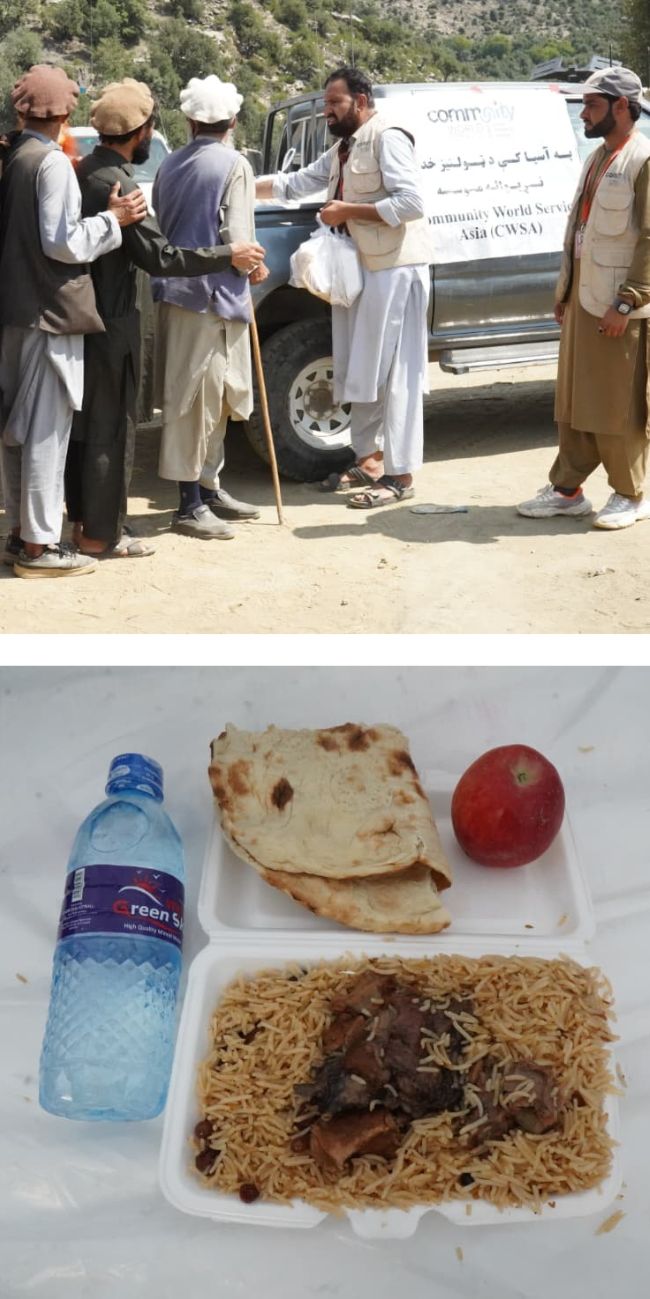
Top: Members from Community World Service Asia (CWSA) distribute emergency supplies. Bottom: Prepared meals distributed to survivors of the earthquake. Photos courtesy of CWSA.

Surviving the Kunar Earthquake: An Afghan Father’s Story of Loss and Hope

A young father from Afghanistan’s Kunar Province reflects on a life once shaped by peace and nature and how a single night of disaster changed everything. His story reveals both devastating loss and the fragile hope made possible through timely humanitarian support.

Ahmad Wali*, 27, lives in the Masood Ghazi Abad village of Mazar Dara in the Nurgal District of Kunar Province, Afghanistan. The valley is known for its natural beauty, framed by high mountains, green fields, flowing streams and fresh air that bring a sense of calm and comfort. Life there was simple yet deeply peaceful. Before disaster struck, Wali and his wife lived with their two children, working together as a family each day farming, caring for their animals and supporting each other in regular household tasks.

Their mornings began early, and evenings ended with rest at home. The children played freely outdoors, surrounded by nature, and the strong sense of unity in Mazara Dara brought happiness and hope. Like many in the valley, Wali believed this peaceful life would continue and that his family’s future would unfold in this beautiful place.

A Night That Changed Everything

Everything changed the evening of August 31, 2025, when a powerful earthquake struck the entire Mazar Dara valley. Homes were damaged, people panicked and the sense of safety that defined valley life vanished.

For Wali, the impacts were devastating. “During the earthquake, my family suffered very serious losses,” he says. His eight year old daughter and mother were both killed. His son was injured and needed medical treatment. Along with the loss of loved ones, the family’s livelihood vanished. Goats, cows and sheep that had provided food and income did not survive, and their house was completely destroyed.

Across the valley, families were left shocked and uncertain. Aftershocks continued to shake the ground, forcing people to live in constant fear. With homes destroyed and exposure to rain, wind and harsh weather, daily life became a struggle. Food, clean water, medicine and safe shelter were suddenly scarce, leaving children, women and elderly individuals especially vulnerable.

Help, Hunger and a Fragile Hope

In the aftermath, a team member from CWS’s local partner, Community World Service Asia, visited the area to assess urgent needs. They found families surviving on maize leaves and raw maize due to extreme food shortages. Shelter, clean drinking water and medical care were critically lacking.

With support from CWS Japan, emergency food assistance began reaching affected communities. Every day, Wali’s family and around 1,500 others received cooked rice, cooked meat, fresh bread, clean water and fruit. For many, it was the first proper nourishment since the earthquake. Wali describes the relief vividly. After days of hunger, receiving cooked food brought visible joy. The assistance met immediate needs and restored something just as important: the feeling that they had not been abandoned.

Today, Wali and his family still live under extremely difficult conditions without proper shelter, sufficient food or full medical care. Yet he remains grateful and hopeful. While the support received has eased some hardship, he says continued help is essential so families can rebuild their lives and ensure safety and dignity for their children.

In a valley once defined by peace and now marked by loss, even small acts of support shine as a vital light for the future.

* For the protection of the individuals in this story, a pseudonym has been used.

Learn more about our disaster response work here. Consider making a donation to our Emergency Response Fund, which enables CWS to remain prepared in the face of emerging disasters like these.


Period Packs: Sharing Care When It’s Needed Most 


January 26, 2026

Many families struggle to access essential supplies during times of crisis. Thanks to our generous donors, CWS Period Packs offer comfort, dignity and practical support when people need it most. Essential Care Through CWS Period Packs Across the United States, women and families facing difficult times often lack access to basic menstrual supplies. In moments of crisis—whether after an emergency …

Rapid Support for Displaced Families Along the Cambodia–Thailand Border


In response to late‑December 2025 fighting along the Cambodia–Thailand border, HEKS/EPER Cambodia and CWS rapidly delivered emergency shelter and protection supplies to 1,550 newly displaced households sheltering in overcrowded pagodas and schools, helping reduce exposure and public‑health risks while restoring safety and dignity. In late December 2025, fighting along the Cambodia–Thailand border again forced thousands of families from their homes in search of safety in nearby pagodas, schools and temporary shelters. …

Stories of Change


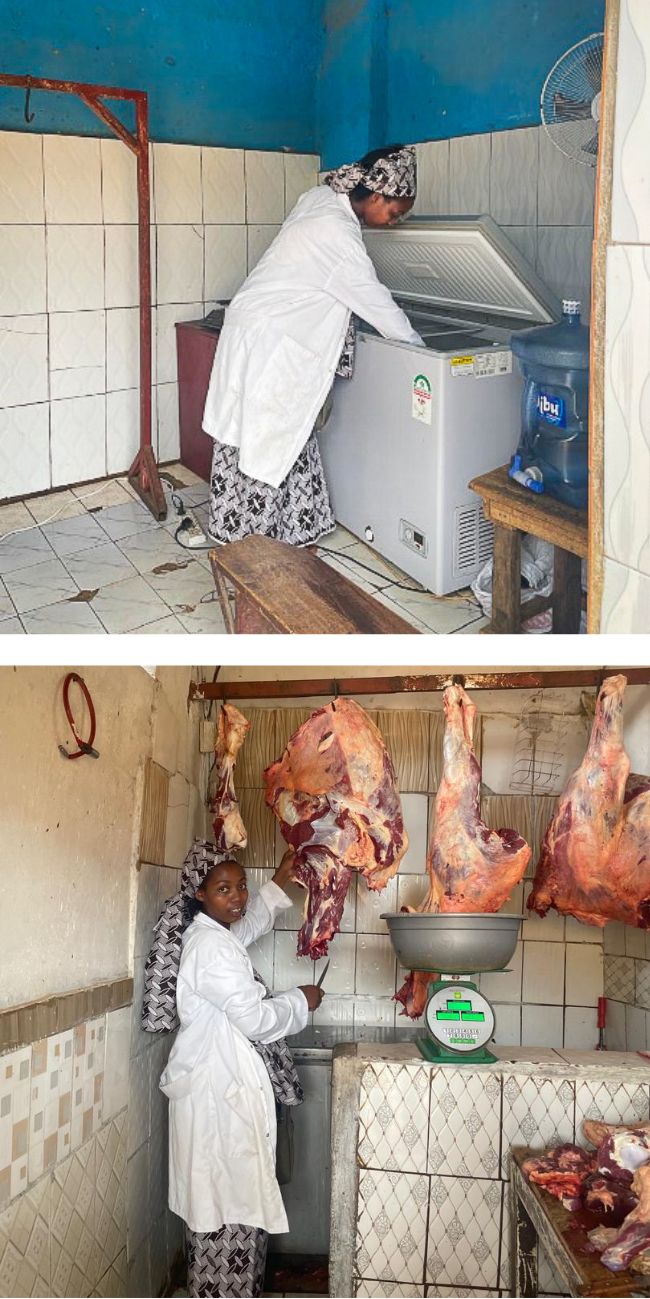
Top and Bottom: Evelyne works in her business.

From Refugee to Entrepreneur: Evelyne’s Story of Resilience and Growth

Through support from CWS’s Igniting Innovation Project, in partnership with YWCA Rwanda, Evelyne Ntakirutimana’s business grew dramatically. A refugee entrepreneur in Mahama Camp, Rwanda, Evelyne’s journey shows how targeted investment and training can spark long‑term economic transformation for refugee families and communities.

A Refugee‑Led Business Creating New Opportunity

Evelyne Ntakirutimana demonstrates the powerful impact that can emerge when refugee entrepreneurs receive dignified economic opportunities paired with practical skills support. Evelyne runs a butchery business in Mahama Camp in Rwanda. Through the CWS Igniting Innovation Project, in partnership with YWCA Rwanda, she gained access to capital, training and a formal business space that allowed her to move from day‑to‑day survival to building a thriving enterprise.

When Evelyne first began her business, she operated with only 150,000 RWF per month (104 USD). Limited capital meant she could not buy enough meat or invest in cold storage. Without refrigeration, she often relied on informal and unreliable storage arrangements, which caused losses and reduced her already thin profit margins. Like many refugee entrepreneurs, she faced the cycle of having too few assets to grow but too little revenue to save or invest.

The Igniting Innovation Project provided an initial grant of 700,000 RWF (485 USD), which Evelyne used to purchase a refrigerator and secure formal business premises. This step marked a major turning point. Cold storage allowed her to maintain larger quantities of inventory, and a formal space gave her visibility with local authorities and freed her from operating in constant insecurity. Through a second grant of 300,000 RWF (208 USD), combined with 350,000 RWF (243 USD) she saved through her community savings group, Evelyne was able to buy her first full cow and begin planning for long‑term business growth.

Building Employment and Strengthening Her Family’s Future

Formalizing her business gave Evelyne the confidence to participate more in the local economy. During a project training on financial management and marketing, she recognized that the meals being served indicated demand for meat supply. She approached the organizers and secured a contract to provide meat for future activities—recognizing opportunities for growth and building her confidence in promoting her business through the local community.

Evelyne now employs two young men from the camp who previously had no stable income but now each earn 60,000 RWF (42 USD) per month. She also withholds half of their wages as structured savings that the employees can later use to start their own businesses. Although this approach is unusual, her employees appreciate that they’re able to build capital they would otherwise struggle to save. The model has strengthened Evelyne’s business while supporting the development of future entrepreneurs, giving back to both her community and neighbors.

The success of Evelyne’s business has allowed her family to purchase land and begin planning for a future home. She has enrolled her two children in private school, prioritizing their long‑term opportunities. Evelyne describes how her understanding of money has shifted. In the past, she often felt unsure how to use even small amounts of leftover income. Today she approaches her finances with confidence and sees every investment as a step toward growth.

Looking Ahead: A Bright Future for Evelyne

In the future, Evelyne hopes to hire two additional employees, open a second business location and eventually raise livestock to supply her own butchery. In camps like Mahama, where economic opportunities are limited, each new job has meaningful impact.

As a formal business owner, she contributes tax revenue to the local municipality. Most importantly, she has gained a sense of agency. She identifies opportunities, mobilizes community savings and invests in both her business and her children’s education.

Her story shows that with the right support, refugee entrepreneurs can build strong, sustainable businesses that benefit entire communities. 

To learn more about our work in Africa, click here.