
Urgent Humanitarian Crisis in the Middle East
“The urgency of these times cannot be overstated. We are called not only to respond, but to faithfully walk with our people through love, resilience and active hope.”
Worsening conflict across the Middle East has triggered a catastrophic humanitarian crisis. People in Palestine and Lebanon need immediate, lifesaving support.
Elderly people, pregnant women, infants and young children are the most vulnerable and urgently need protection from violence as well as shelter, clean water, food, sanitation facilities and health care.
In Gaza, more than 80 percent of homes have been destroyed or damaged. Families are living in makeshift shelters, and many have nowhere to go. Stormy weather has flooded tents, making living conditions miserable. Famine was confirmed in Gaza City and surrounding areas for the first time late last year. Nearly half of all pregnant and breastfeeding women in Gaza are severely malnourished due to food shortages, and virtually 100 percent of children require mental health and psychosocial support.
In the West Bank, civilians are facing increased violence, forced displacement, home demolitions and severe restrictions on movement and their ability to access food, water, work and health care.
In Lebanon, an estimated 1 million people, nearly one in every five, have been displaced by the conflict. Families have been forced to find shelter in overcrowded public buildings such as schools, or in cars and tents on the street. People have little, if any, access to safe water or sanitation facilities. Children account for about 20 percent of overall fatalities in the Lebanon conflict since early March, while women make up roughly 21 percent.
Global humanitarian funding cuts mean people are not getting the lifesaving help they need. The situation is dire.
How CWS is Responding
CWS has been working in solidarity with partners in Palestine and the Middle East since 1948 to advance social justice and alleviate suffering in communities affected by conflict.
Palestine
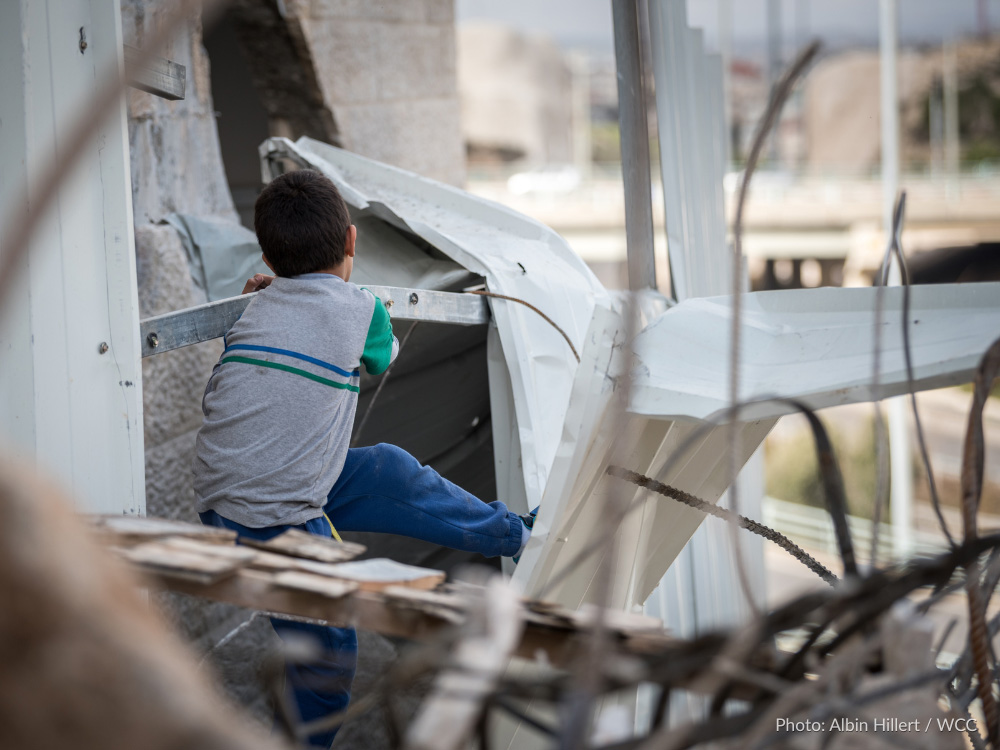
- CWS is working with a local partner to meet the urgent humanitarian needs of families in the West Bank.
- Individuals trained by CWS are part of an international team (called Ecumenical Accompaniers) providing accompaniment and protection to Palestinian families. Ecumenical Accompaniers are also monitoring and reporting human rights violations and supporting peacebuilding to uphold international law.*
- In response to worsening conflict that has threatened the safety of the program, CWS has pivoted to providing virtual accompaniment to safeguard people affected by violence.
Lebanon
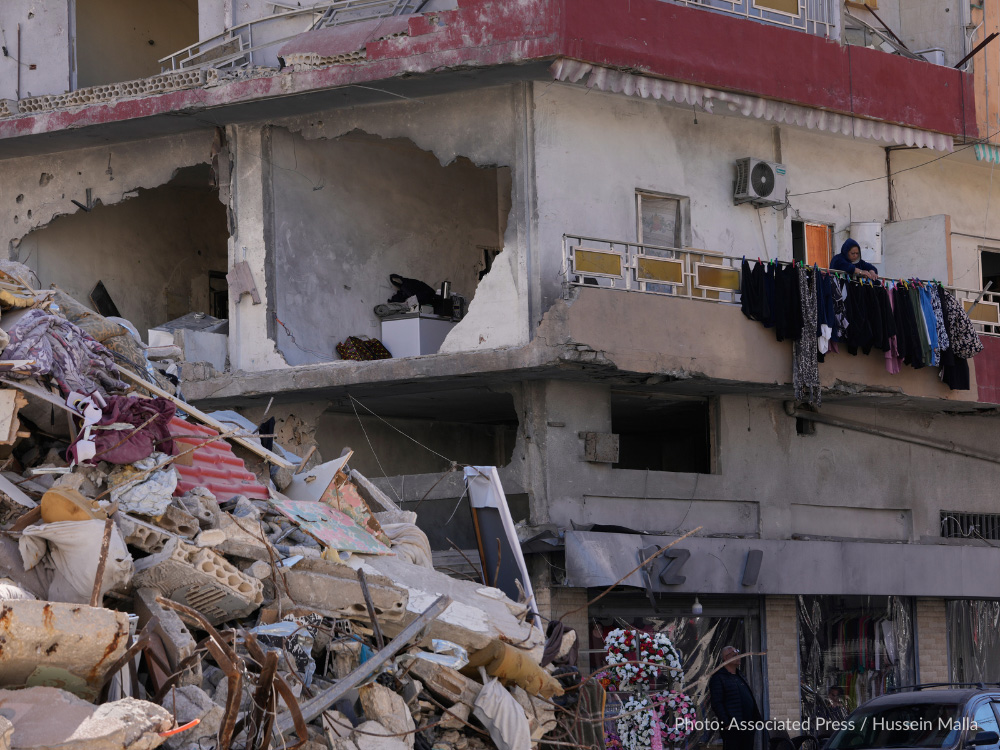
- We are supporting local partners on the ground to provide emergency shelter, safe water, food and protection to families and communities devastated by bombing.
- We are supporting our local partner to provide psychosocial support to displaced people traumatized by the conflict.
“The level of violence in the West Bank is unlike anything we have seen in recent memory. The escalation of hostilities is making daily reality for Palestinians more perilous than ever before.”
Donate now to rush lifesaving assistance to families devastated by this catastrophic crisis.
* Church World Service is leading the US-based component of the Ecumenical Accompaniment Program in Israel and Palestine (EAPPI) in partnership with US national churches. The Ecumenical Accompaniment Program in Palestine and Israel was founded by the World Council of Churches in response to a call from the local Heads of Churches in Jerusalem. Learn more about the CWS EAPPI program here.