
As winter approaches, the season brings both joy and hidden dangers. From icy roads to rising heating costs, understanding the risks and preparing ahead can help families stay safe and resilient.
Understanding Winter Risks
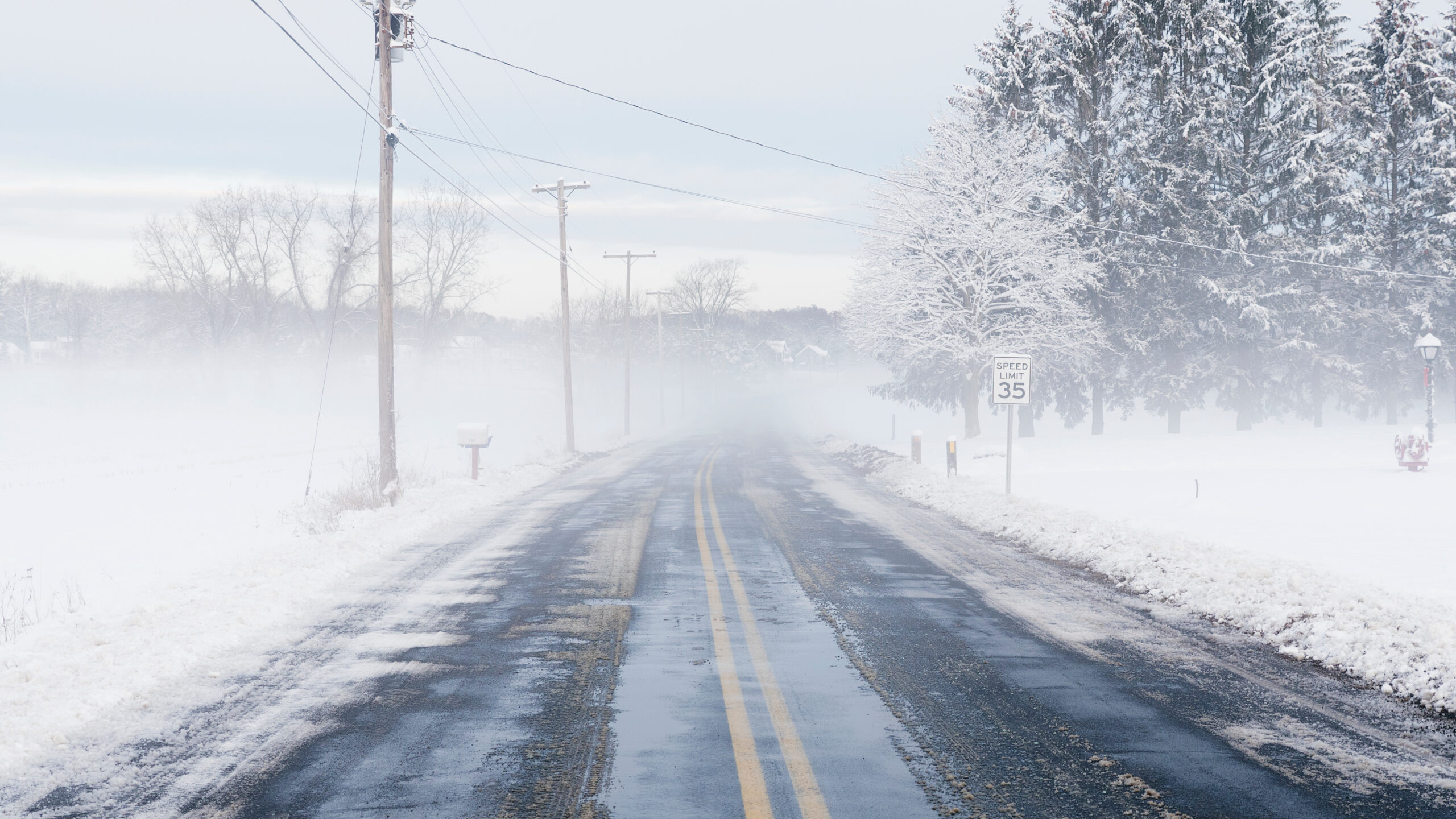
The image included in this blog is a stock photo used solely for illustrative purposes.
As the weather turns colder, families around the country prepare for all the joy and excitement that winter holds. From holiday celebrations to cozy treats, the new season is a time to share moments with family, friends and loved ones.
But winter also carries additional hazards and risks for those living in colder climates. Temperatures dip, and the days become shorter. Heating costs rise, and road conditions can become perilous.
Winter storms bring extreme cold, freezing rain, snow and ice, along with dangerously high winds, increasing the risk of car accidents, weather-related illnesses and even heart attacks from overexertion. Cold exposure alone is responsible for 64 percent of temperature-related deaths, and home heating is the second leading cause of home fires, which occur most often during the wintertime.
Staying Prepared During Winter
- Understand the risks in your community. If you live in an area impacted by winter weather, remain informed by staying up to date with weather reports. Listen for emergency information and alerts, including warnings of freezing weather and winter storms. Sign up for your community’s warning system and consider registering for alerts from the National Oceanic and Atmospheric Administration Weather Radio.
- Build a preparedness kit. Create winter preparedness kits to keep at home, your place of work and in your car. Include items like bottled water, non-perishable food, cell phone chargers, medications, warm clothing and a flashlight. Keep a full tank of gas in your car and ensure you have jumper cables available. For more information about winter preparedness kits, watch FEMA’s overview video or access Ready.gov’s checklist.
- Stay safe during winter weather. When winter weather does occur, limit your time outside. Stay off theroads, if possible. If you do need to go outside, wear layers of warm clothing to prevent frostbite or hypothermia. Reduce the risk of a heart attack by avoiding overexertion when shoveling snow, gathering firewood or other activities.
Winter storm warnings occur before inclement weather, so understand how each will impact you, and how long you should prepare to remain indoors. The following are different categorizations of winter weather:
- Winter Storm Warning: Issued 12-24 hours before heavy snow, freezing rain or heavy sleet is expected to occur.
- Winter Storm Watch: Issued 12-48 hours before the possibility of a blizzard, heavy snow, heavy freezing rain or heavy sleet is expected to occur.
- Winter Weather Advisory: Issued during expectations of heavy accumulations of snow, freezing rain, freezing drizzle and sleet.
Building Resilience This Winter Season
Winter’s beauty comes with challenges, but preparation makes all the difference. By staying informed, building emergency kits and practicing safe habits, families can enjoy the season with peace of mind.
Preparedness begins at home. When individuals and families take proactive steps—such as stocking essential supplies, planning for emergencies and learning how to respond to winter weather alerts—they reduce risks and strengthen their ability to face unexpected challenges. Well-prepared households also contribute to the safety and stability of the wider community.
Together, we can ensure that communities across the country are winter ready and supported through the cold months ahead. By prioritizing preparedness, we can build a foundation of resilience that benefits everyone.
For more information about how you and your family can stay prepared this winter, visit Ready.gov for additional resources. Learn how you can become #WinterReady here.
Make a donation now to help families stay prepared this winter. Your gift will help to build preparedness kits for at-risk families in disaster-prone regions throughout the United States.