In this blog, CWS Regional Representative of Latin America and the Caribbean, Martin Coria, shares insights ahead of his participation in the 2025 UN Regional Water Week in Santiago, Chile. As climate stress intensifies across Latin America’s semi-arid regions, CWS is scaling up rainwater harvesting efforts to support last-mile communities through advocacy, collaboration and innovation.
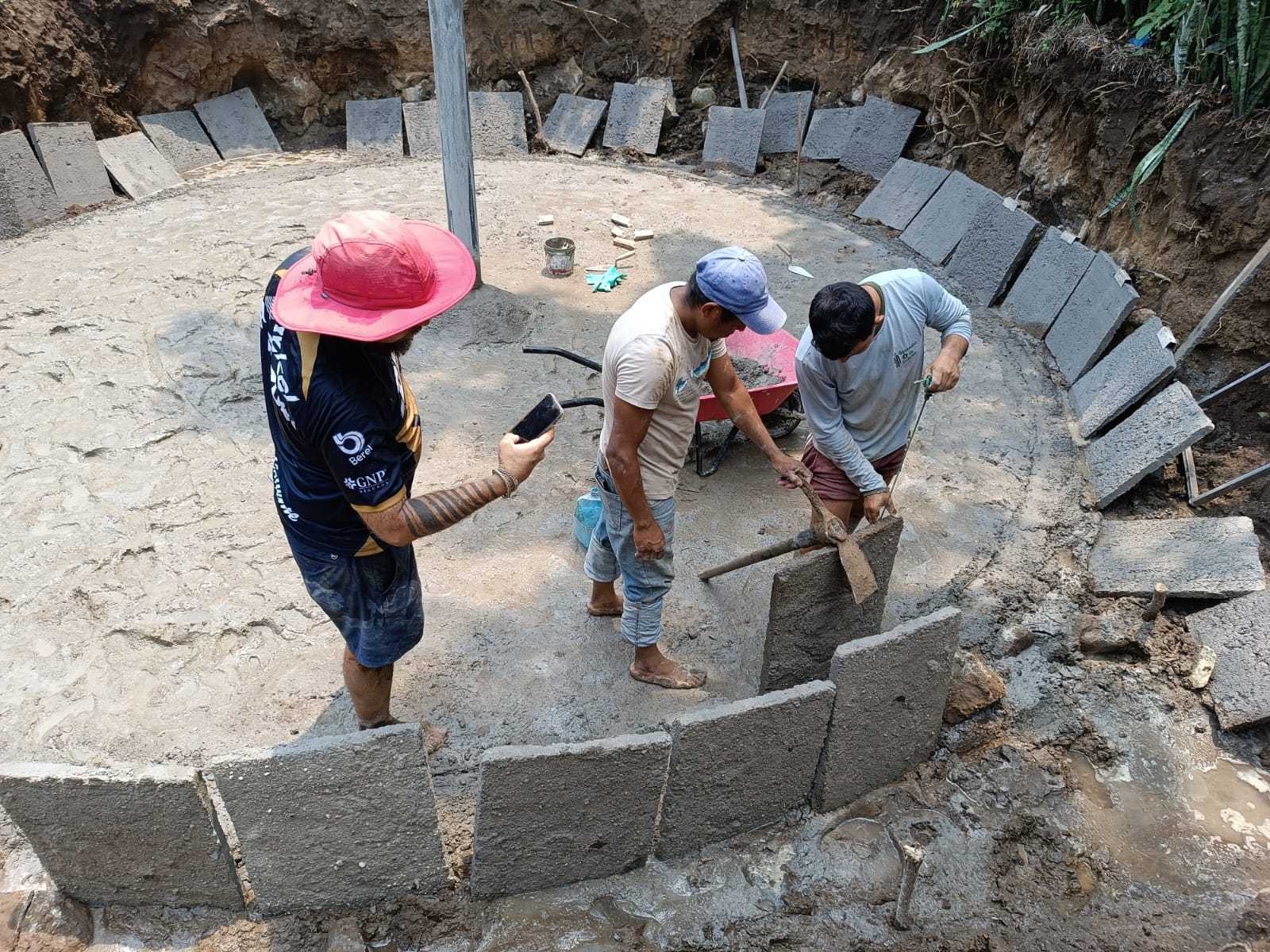
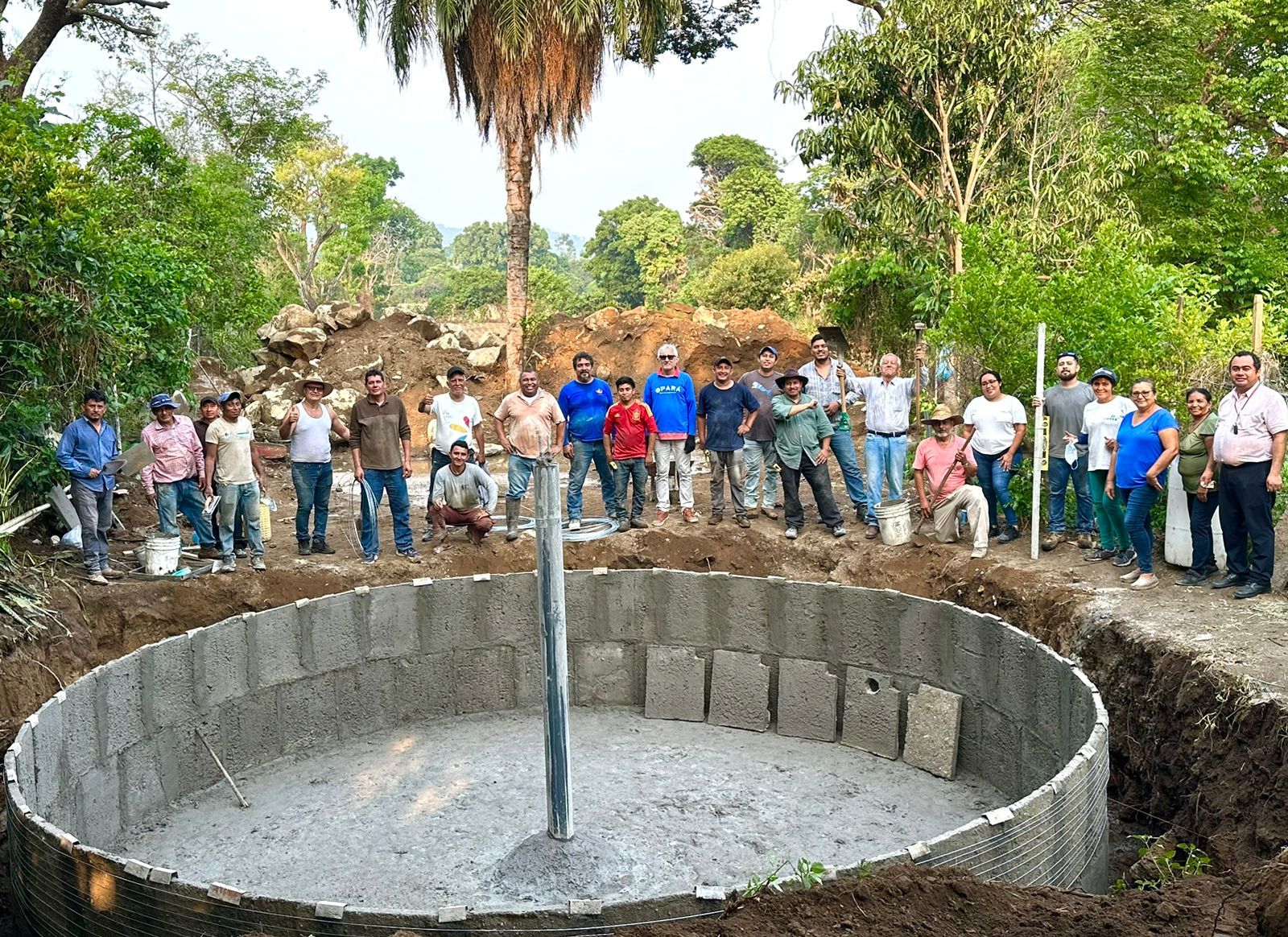
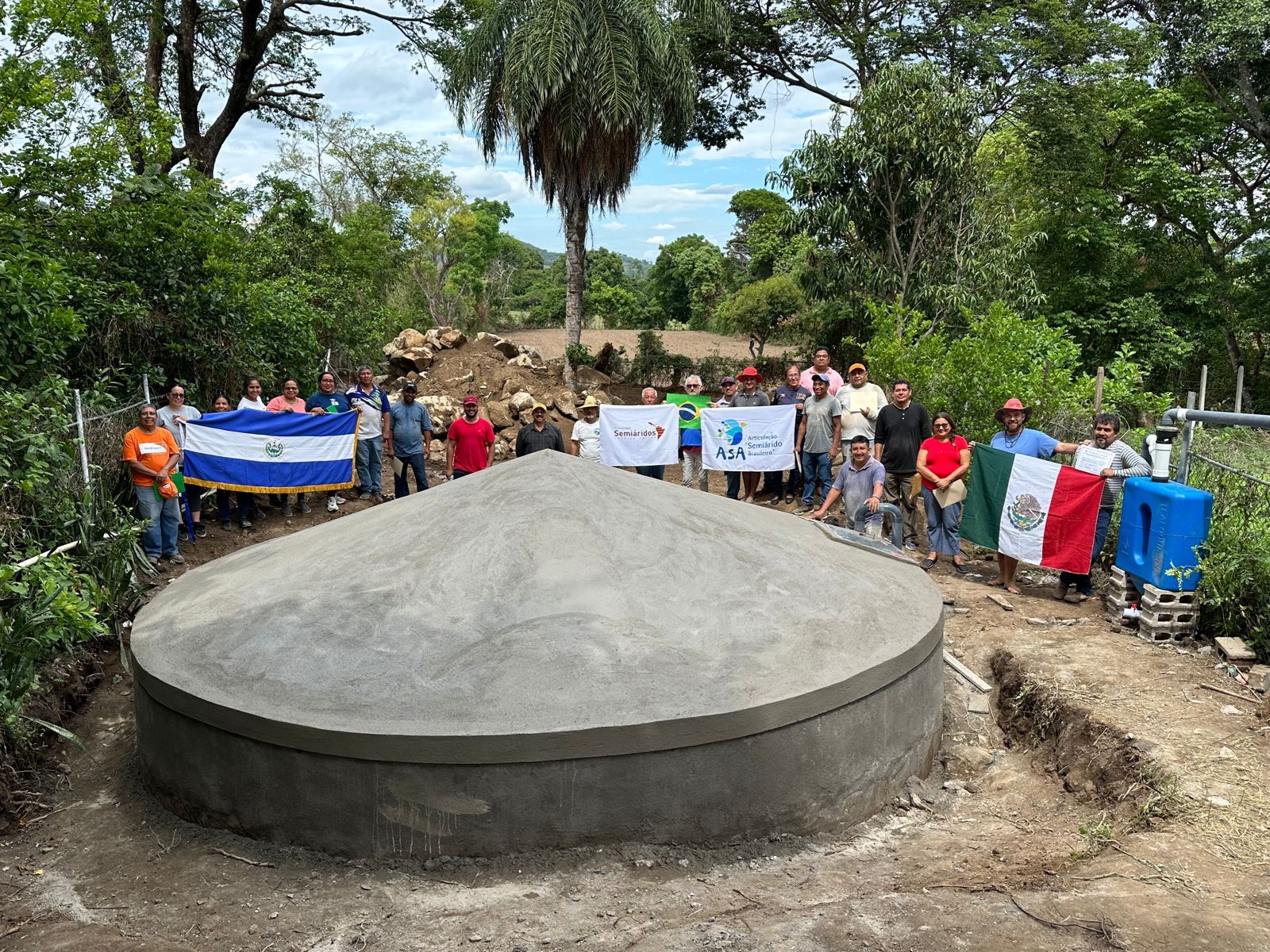


Rooftop Rainwater Harvesting (RRWH) is the practice of collecting and storing rainwater that falls on a building’s roof. This water is typically channeled through gutters and downspouts into storage systems such as tanks or cisterns. RRWH systems can be designed to supply water for various uses, including irrigation, non-potable household activities and, with appropriate treatment, even for potable purposes.
Source: Virginia State University.
From October 6 to 10, 2025, I will have the privilege of representing Church World Service (CWS) at the 2025 Regional Water Week, organized by the United Nations in Santiago, Chile. I will participate in the roundtable commemorating Inter-American Water Day, which seeks to answer critical questions: Why is the human right to water still not fully guaranteed in the region? What gaps persist from the perspective of specific sectors? And what concrete proposals can drive practical solutions toward universal access?
Scaling Solutions for “Last Mile” Communities
CWS was invited by the UN Economic Commission for Latin America and the Caribbean (ECLAC) in recognition of our regional efforts to build trust and collaboration among key stakeholders and scale up rainwater harvesting investments in Latin America’s semi-arid regions, particularly in “last mile” communities.
For years, CWS has supported local rainwater harvesting projects—including infrastructure, education and advocacy—in Haiti, Nicaragua, Honduras, Guatemala and South America’s Gran Chaco region (Paraguay, Bolivia and Argentina). These projects have served single and multiple-family systems, as well as schools and health clinics.
At CWS, we have witnessed firsthand that rainwater harvesting in semi-arid, dispersed rural areas brings dignity, rootedness, hope, peace and social cohesion to families and communities—especially during periods of drought or water stress. In the most isolated “last mile” communities, harvesting and using rainwater is critical for households, family-based agriculture, schools and health centers.
From Local Projects to Regional Advocacy
However, in recent years it became clear that scaling up and accelerating rainwater harvesting investments where they are most needed is not only necessary but urgent—and that no single actor can achieve this alone. This realization led CWS to partner with Plataforma Semiaridos of Latin America, a regional advocacy, capacity-sharing and solidarity network composed of rural women, youth and Indigenous organizations, as well as specialized NGOs in Brazil, the Gran Chaco and Central America’s dry corridor. Together, we began a regional, people-centered dialogue on rainwater harvesting in last-mile communities.
Through discussions with regional partners and rapid participatory research, CWS learned that Mexico is experiencing a true rainwater harvesting revolution, yet it remains largely disconnected from the broader Latin American community of practice. We also learned that sustainable, locally owned rainwater harvesting—especially in last-mile communities—must be understood as much more than building a water reservoir connected to a roof; it requires holistic engagement, from community participation to integration with health and nutrition objectives.
Water Is Life: Advancing the Right to Access
In 2023–24, CWS began supplementing ongoing support to local rainwater harvesting projects with pilot regional-level advocacy, networking and coalition-building initiatives. In these efforts, CWS has acted as convener, thought partner, catalyst for change, advocate, strategic funder and faith mobilizer.
Recent accomplishments that helped CWS earn an invitation to present at this year’s UN Regional Water Week include:
- In early 2025, leading NGOs Isla Urbana (Mexico) and CASM (Honduras) joined Plataforma Semiaridos, connecting rich Mexican and Honduran rainwater harvesting experiences with those in Brazil and South America’s Gran Chaco. This cross-national exchange strengthens regional knowledge and practice.
- In September, CWS co-hosted a two-day regional webinar on rainwater harvesting with Global Water Partnership and Plataforma Semiaridos. The event brought together 100 practitioners from 14 countries, connecting change agents, governments and funders while advocating for attention to non-infrastructure aspects of rainwater harvesting, such as community engagement, value chains and the integration of nutrition and health objectives.
Across Latin America’s semi-arid and drought-prone regions, thousands of families, schools and health clinics are ready to embrace rainwater harvesting as a lifeline for their communities. Expanding and strengthening efforts at both local and regional levels is essential—and CWS is proud to stand alongside these communities, helping turn their hope for reliable water into reality.
Martin Coria is CWS’s Regional Representative for Latin America and the Caribbean. To learn more about our work in this region, click here or visit the CWS LAC website here.