
Trigger warning: This story contains references of depression and suicidal ideation.
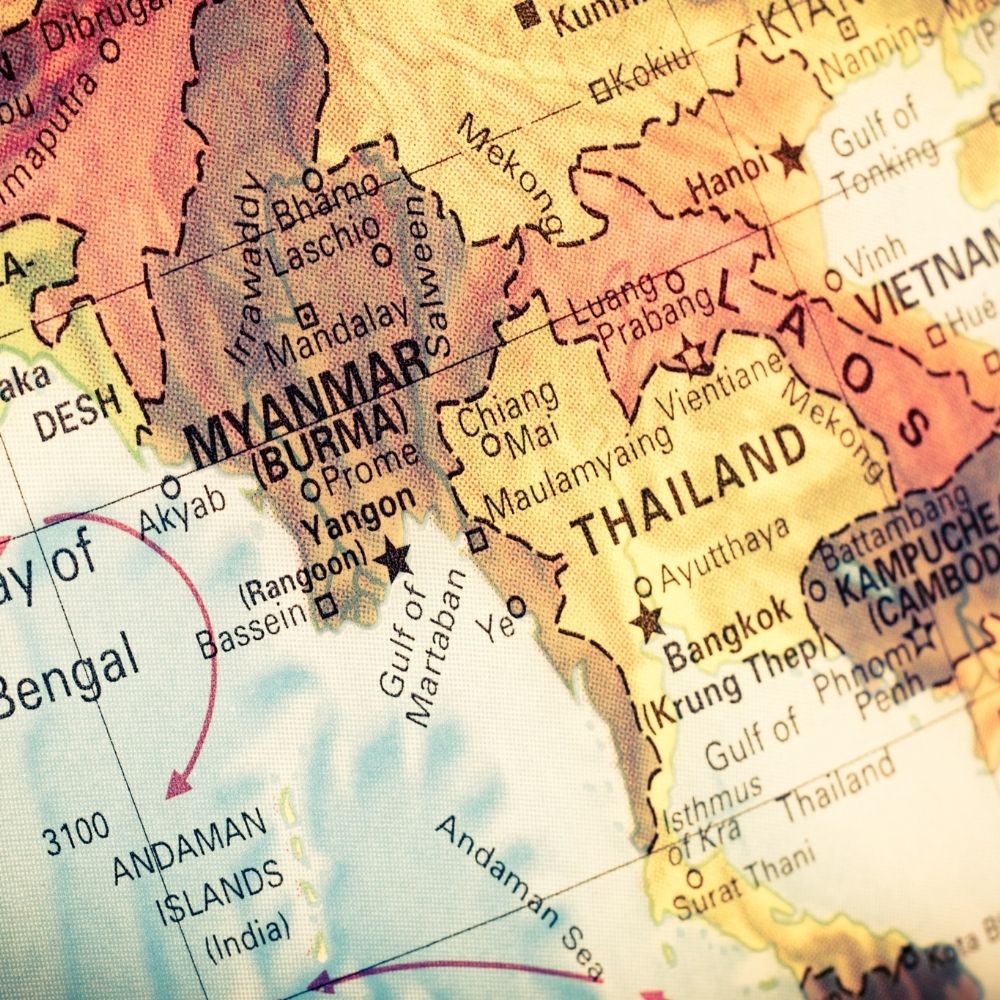
Along the Thailand–Myanmar border, democracy activists and displaced families are finding safety, mental health support and essential resources through CWS’s partnership with the New Myanmar Foundation. Stories from Aye* and Aung* show how this assistance and access to safe shelter restores dignity, stability and hope for people facing trauma and conflict.
Finding Shelter and Mental Health Support
 Due to ongoing political conflict and threat of military conscription, Aye* and her family were forced to flee their home in search of safety. Returning was no longer an option, particularly as her twin children reached the age at which they could be forcibly recruited. “I could not let my children enter the military. That fear stayed with me every day,” she explained. Due to the lack of legal documentation, Aye and her husband were unable to secure stable employment, leaving the family without income for several months. The prolonged uncertainty and financial pressure severely affected their mental well-being. “We were jobless for six months. I was deeply depressed. At that time, my husband and I even thought about ending our lives.”
After being referred to a safe accommodation program, Aye and her family received emergency support, safe shelter and assistance with legal recognition. She described this support as a turning point in her life. “When we arrived, they did not only give us a place to stay. They helped us feel safe again,” she said. The program provided monthly food assistance, basic household items and access to training opportunities, which helped restore stability and dignity. Importantly, Aye emphasized the impact of psychosocial and mental well-being support. “I was very depressed before. Here, I learned how to calm my mind, how to take care of myself and how to believe that life can continue.”
Through skills training in sewing, computer use, language learning and livelihood activities, Aye gradually rebuilt her confidence and sense of purpose. She began small income-generating activities within the community, supporting others despite her own hardship. “I cook and sell food with love because I understand how difficult life is for people here,” she said. Reflecting on her journey, she expressed deep gratitude for the support she received. “This support helped save my life and my family. It gave us hope when we had nothing left.”
Today, she hopes to give back by sharing her experiences and supporting others facing similar struggles, demonstrating the lasting impact on resilience, mental well-being and self-reliance.
Accessing Critical Supplies and Meeting Basic Needs
During armed conflict, Aung* sustained a serious gunshot injury. Due to ongoing airstrikes and severe insecurity, he was unable to access medical care immediately and was transported many hours later under extremely dangerous conditions. Upon arrival, he was transferred between several medical facilities before receiving life-saving surgery. During this period, his family faced severe financial hardship and, as a result, his mother was forced to undertake exhausting daily labor to cover basic needs, placing significant emotional and psychological strain on the entire family.
Through targeted support, Aung and his family received comprehensive assistance, including coverage of medical costs, accommodation, food, utilities and transportation. This support eased their financial burden and allowed his mother to stop working under extreme conditions, enabling the family to focus on recovery and well-being. Reflecting on this assistance, he shared, “When the support began, I felt relieved from constant worry and fear. Knowing that my treatment and daily needs were supported helped me regain hope.”
He expressed deep gratitude, noting that the assistance contributed not only to his physical recovery but also improved his mental well-being and restored stability and dignity for his extended family of fifteen members.
* For the protection of the individuals mentioned in this story, pseudonyms have been used.