
This blog was written by Katy Keck, a former CWS board member and CROP Hunger Walk participant. From the sunlit dunes of west Michigan to the shuttered pantries of western Kenya, Katy reflects on her journey with Church World Service and the urgent call to end hunger injustice—locally and globally.

Walking with Purpose: From West Michigan to the World
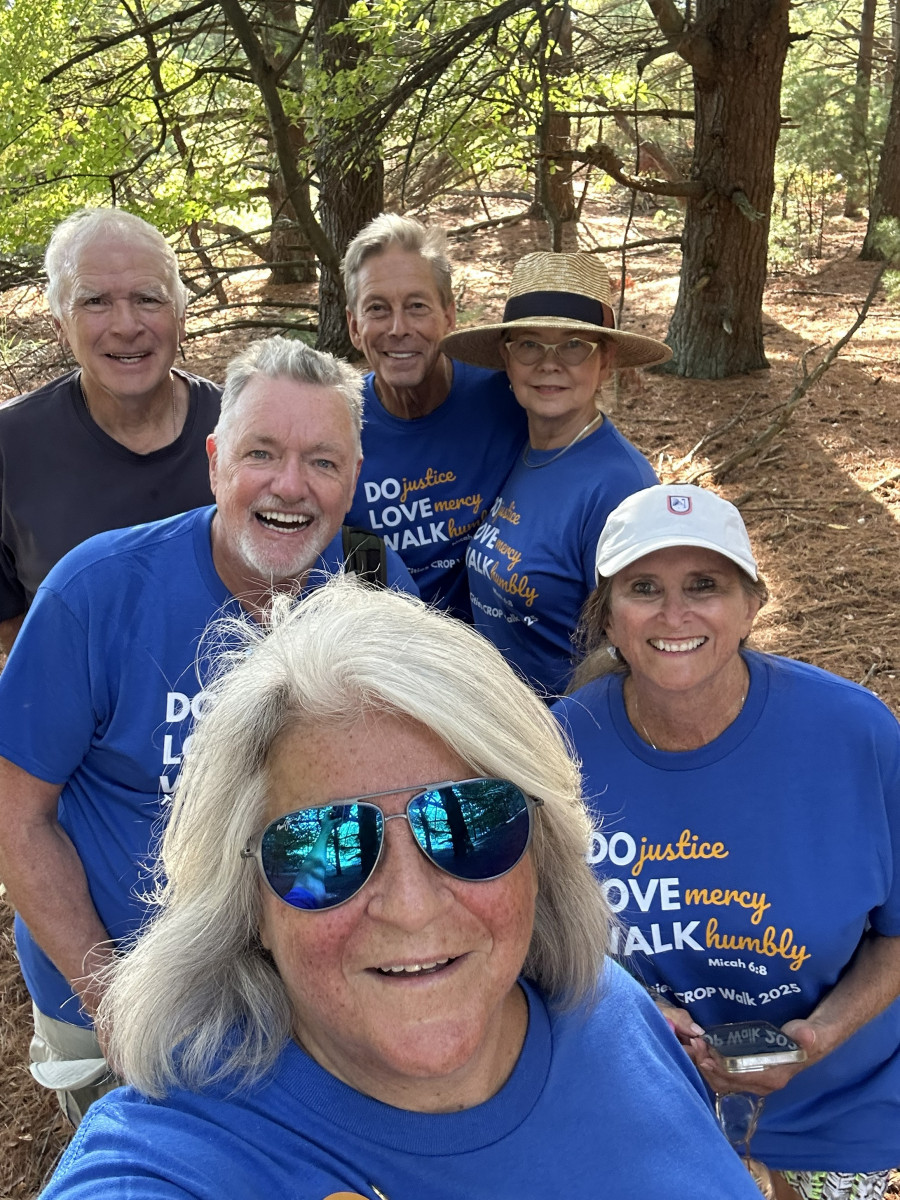
On a bright, almost summery October day, the CROP Hunger Walk team, Hiking for Hunger, set off through the sun-drenched west Michigan dunes, well hydrated and bellies full. Just days earlier, we visited The People Center, one of three Tri-Cities (MI) recipients of CROP Hunger Walk funds. For three decades, they’ve offered food, shelter and clothing to neighbors in need. We saw firsthand that not everyone in our community has access to the resources we often take for granted. And yet, what struck us most was how they deliver aid—with dignity and grace.
Though this was my first time walking in a CROP Hunger Walk event, it was not my first Church World Service fundraiser. I recently completed a six-year term on the CWS Board of Directors. As a culinary industry veteran, I have long been passionate about hunger injustice. Like CWS, I believe in the principle of Enough For All (#Enough4All), and I am committed to advancing sustainable solutions.
While CWS also responds to displacement and disaster, what tugs at my heart strings is their work addressing hunger and its root cause: poverty. They lean into the “teach a man to fish” side of the familiar proverb—helping families build income stability. While 25% of CROP Hunger Walk funds raised stay in the local community to support organizations like The People Center, the national and international impact is also life-changing. Just $22 can buy five chickens for a family in Kenya. And with that, a cottage business is born.
A Moral Imperative: Why Food Security Matters
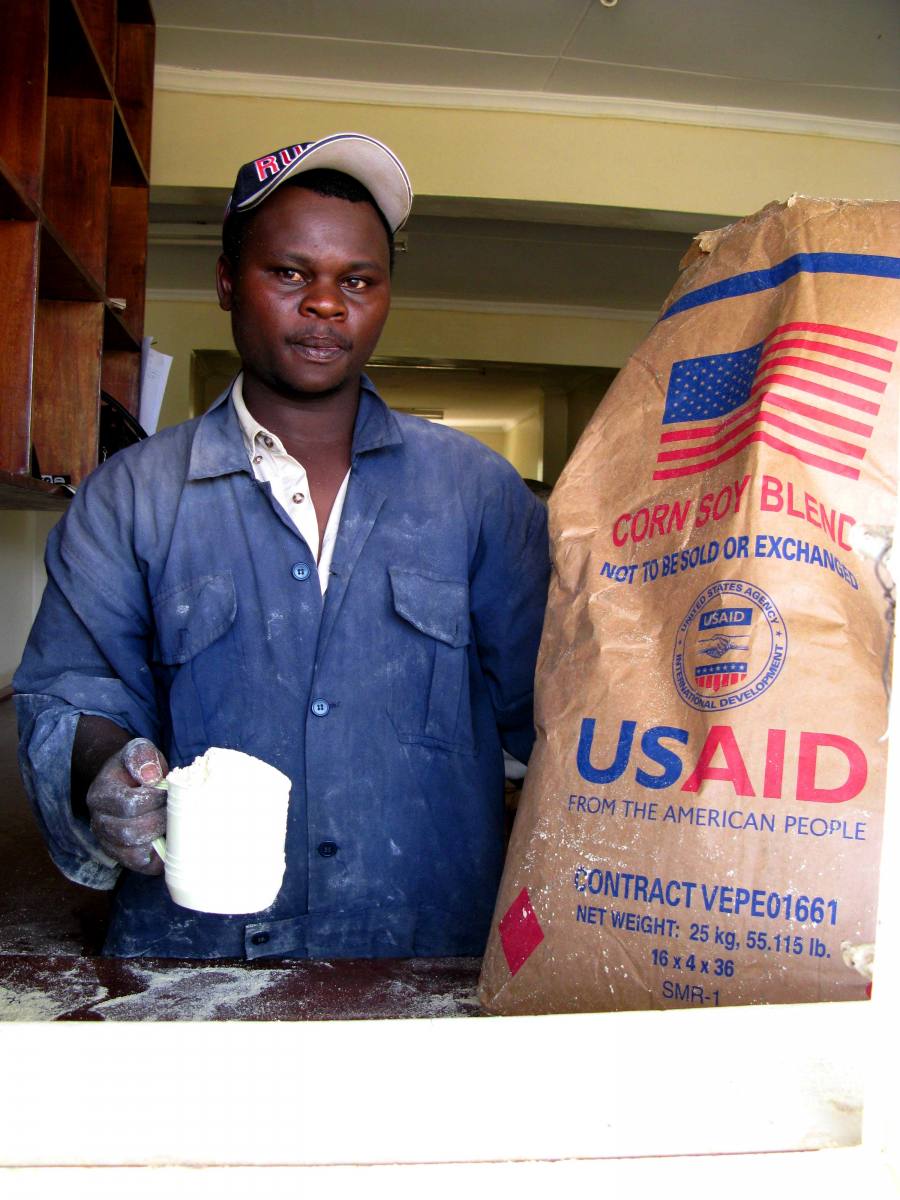
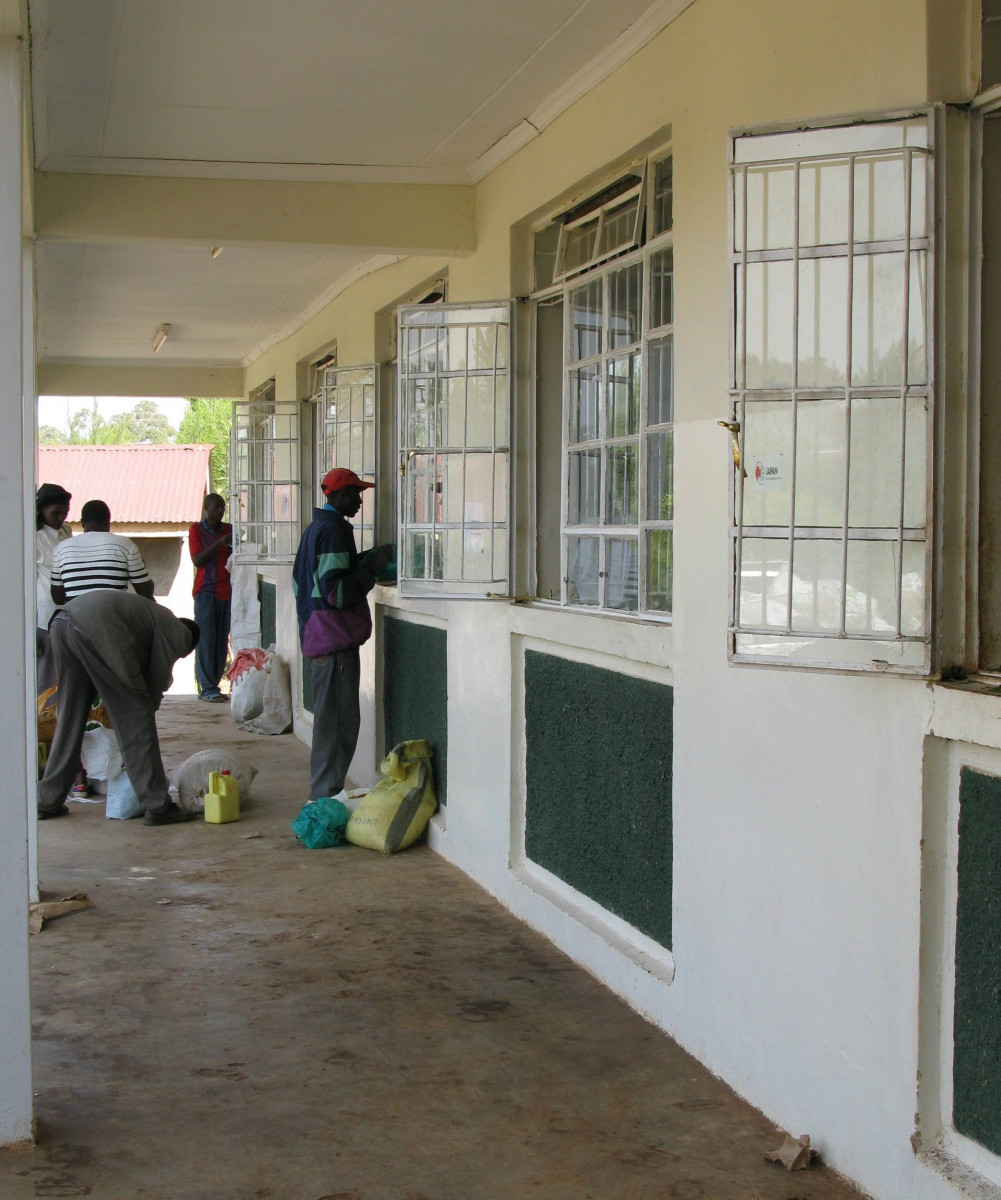
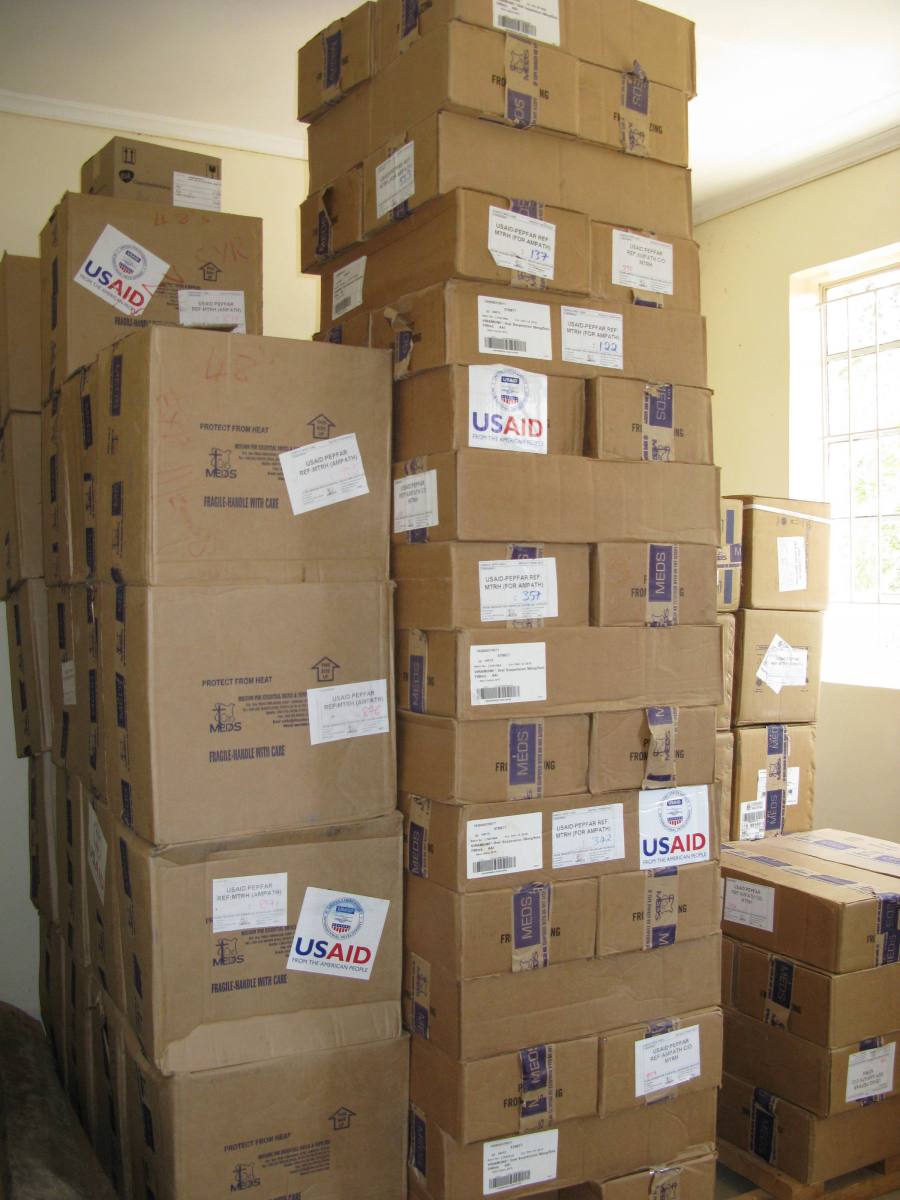
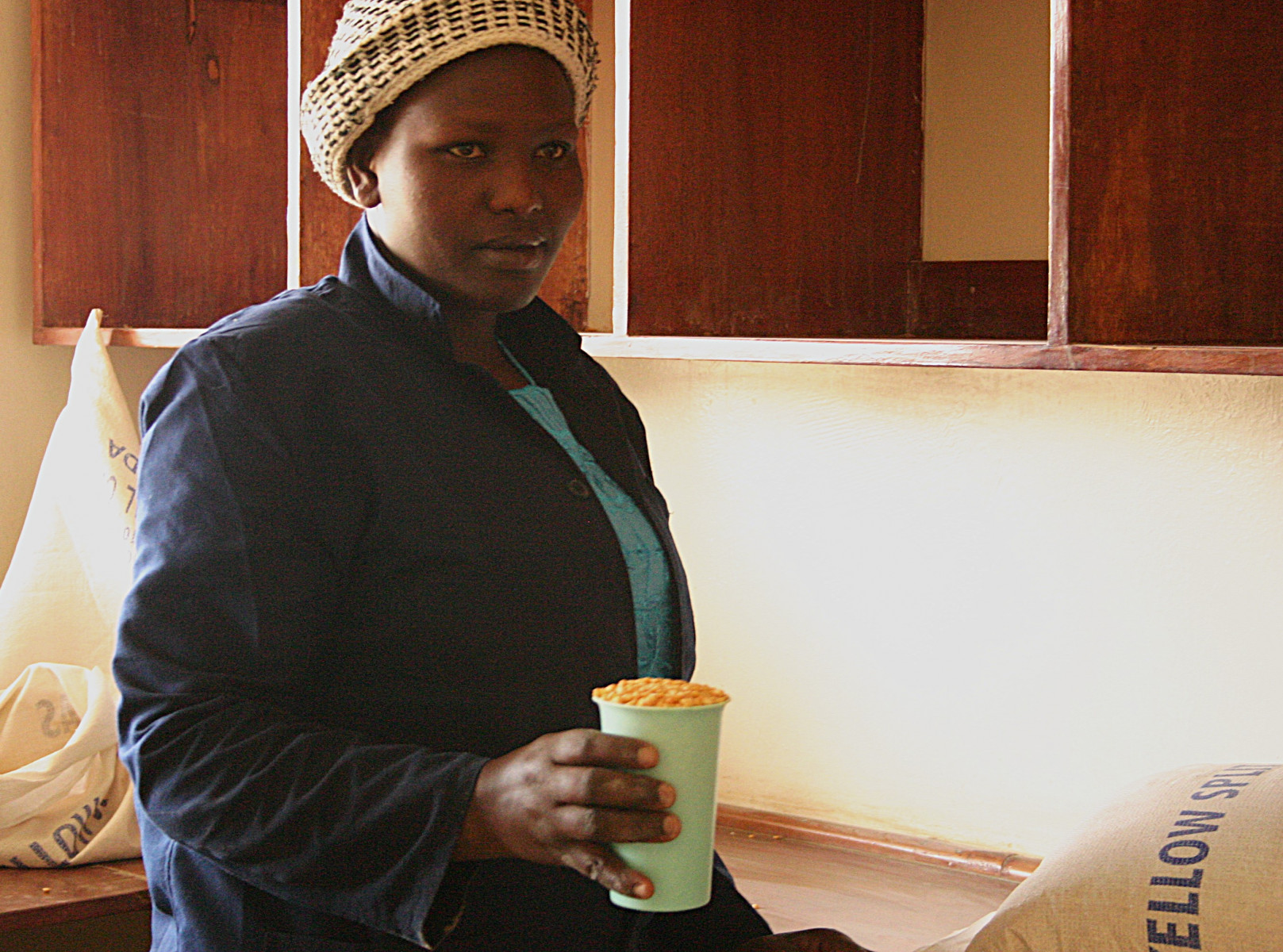
Years ago, I visited a USAID distribution center in western Kenya. The aid there supported families, especially children, in their critical development stages, and women. It also served immune-compromised clients who needed food to take their medicine. Tragically, the United States slashed that funding this year. The pantry windows I once saw opened are now shuttered. The reduction of U. S. global support through USAID funding has disrupted life-saving nutrition. Unthinkably, 500 tons of food intended for malnourished children expired and had to be destroyed simply because there was no delivery mechanism. The consequences for children are dire: increased risk of developmental delays and even pediatric death. Nonprofit organizations like CWS are left to fill that void.
My years on the CWS Board lit a fire in me—I now see with painful clarity the moral imperative of food security. Nourished communities are stronger, more democratic and more stable. And that makes America—and the world—more secure. Ending hunger injustice is not charity. It is an investment in humanity.
CWS has launched an Ecumenical Statement on Hunger Justice. I signed it. Hiking for Hunger signed it. And we stand by its promise: “We pledge to be the neighbor that everyone in our world deserves so that no one goes hungry in a nation and world of such plenty.” Will you join us? https://cwsconnect.org/hunger-statement/