
In Tanzania’s Nyarugusu Refugee Camp, François is rebuilding food security for his family through sustainable vegetable farming. With support from CWS and partners, he has adapted into a farmer and community leader, helping build food security and resilience for his neighbors.
This seasonal pressure comes as conflict, displacement and climate shocks push millions of people into deeper food insecurity. Drastic cuts to global humanitarian funding have exacerbated these vulnerabilities as U.S. support dropped from approximately $14 billion to $3.7 billion between 2024 and 2025.
According to the United Nations World Food Programme, 55 million people in the region are expected to endure crisis levels of hunger during the June–August 2026 lean season, while more than 13 million children are expected to suffer from malnutrition in 2026.
For families like François’s, who have already been forced to flee their homes and lost their livelihoods and access to familiar foods, the lean season heightens already impossible challenges.
One Father’s Search for Stability
Before conflict forced him from home, 34-year-old François made his living on the waters of Lake Kivu. Through fishing, he was able to provide food and a sustainable income for himself and his family of eleven.
But as insecurity in the Democratic Republic of Congo worsened, François was faced with an impossible choice: fleeing his home in search of safety, even if it meant being forced to leave his profession behind.
When they arrived at Tanzania’s Nyarugusu Refugee Camp, François had no access to water for fishing, and the skills that once provided his livelihood became obsolete. The loss of that connection grew as François struggled to feed his family on their limited food rations.
“It was very hard for us to eat without fish or sardines, and sometimes the food was not enough,” François said. “We deeply missed home in Kivu.”
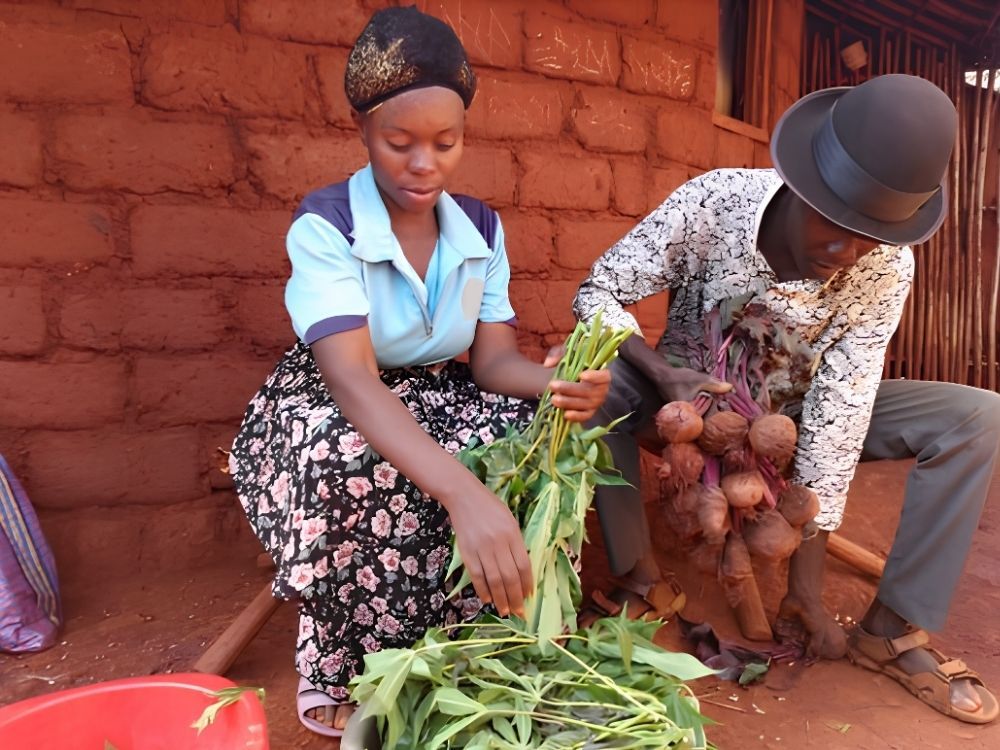
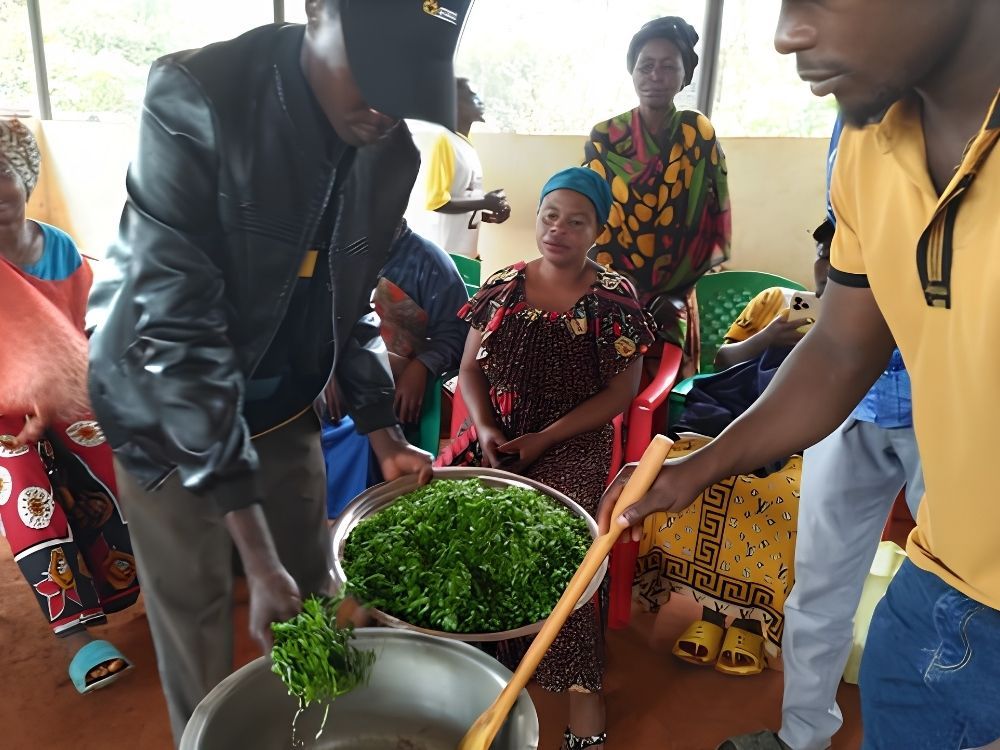
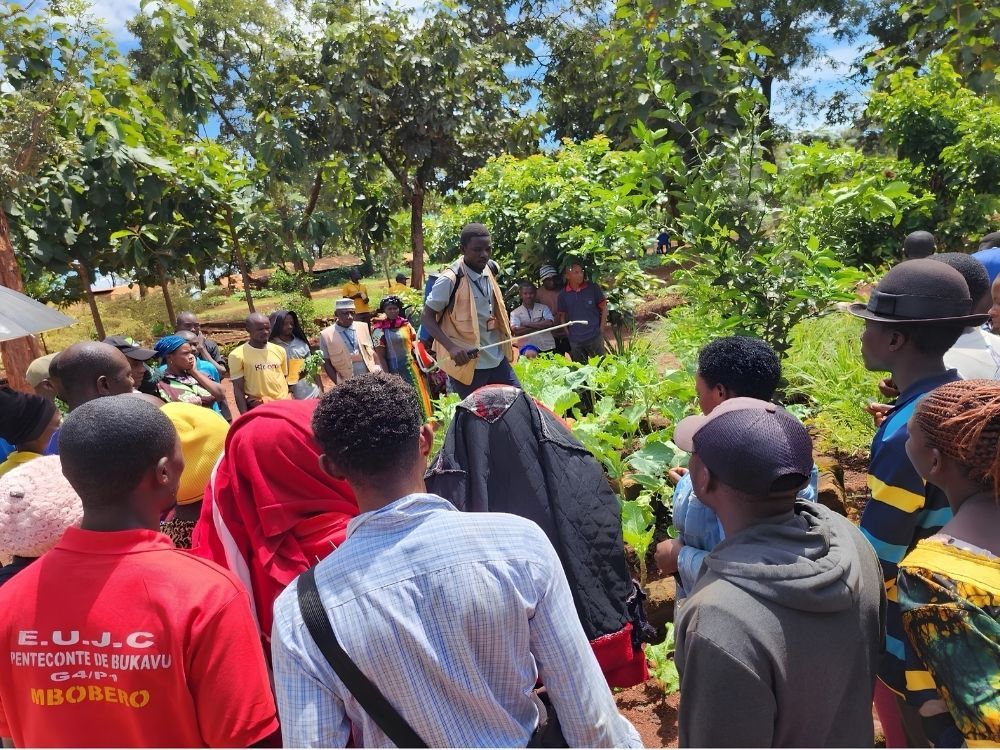
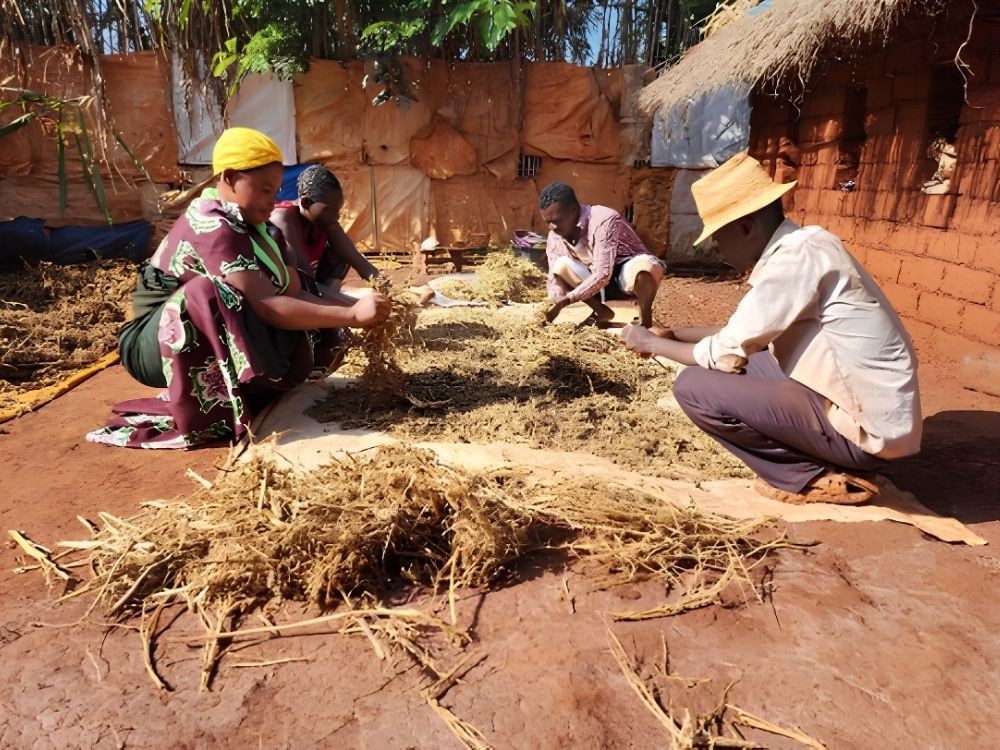
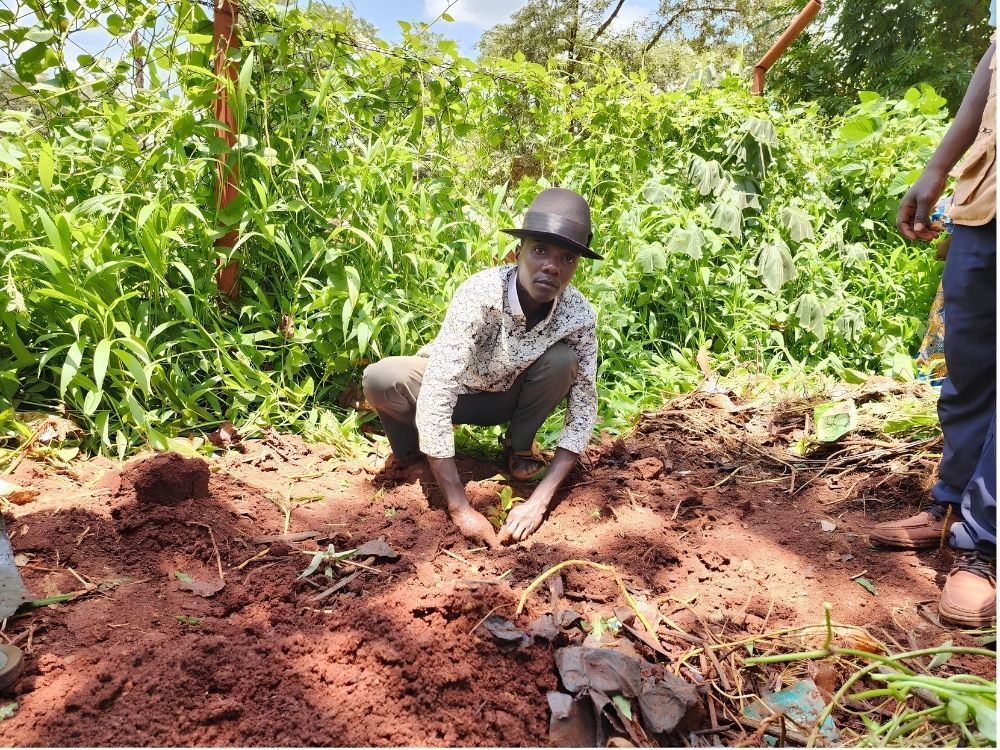
Despite these challenges, François was determined to adapt to his new home. Six years after arriving at Nyarugusu Refugee Camp, François joined a CWS-implemented sustainable vegetable farming project*, which offered training that enabled him to once again provide healthy food for his family.
Through this project, François took courses in agricultural best practices, gender equality, nutrition education and environmental conservation, opting into both classroom training and hands-on demonstration farming to make the most of his lessons.
“I saw how important the training was. It helped me use my time productively.”
Cultivating Food, Family and a Stable Future
Through his lessons on gender equality, François was inspired to begin involving his wife more. By practicing open communication, their marriage turned into a partnership built on shared responsibilities and mutual trust.
Through ongoing efforts, François and his family embraced a wide range of foods that were not common back in Democratic Republic of Congo. They appreciated the benefits of incorporating green-leafy vegetables and began to recognize the importance of a balanced nutritional diet for improving long-term health.
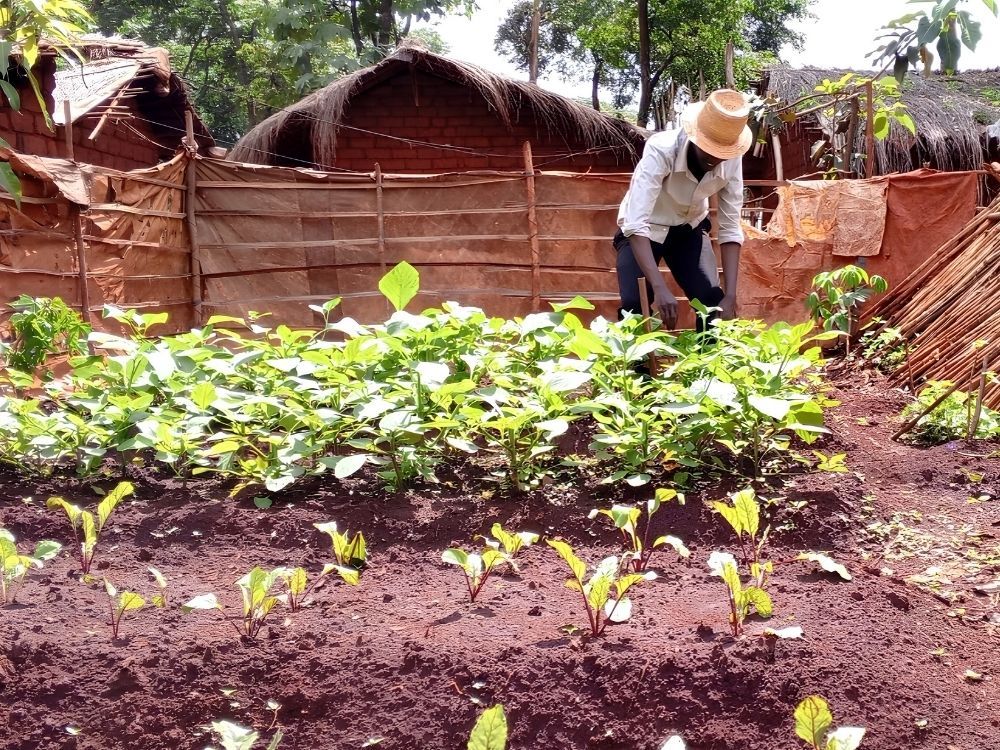
Eventually, François was able to use the farming tools provided by CWS to start a thriving home garden. He produced both vegetables and seeds, which he sold to his neighbors and restaurant owners to earn an additional income. These efforts helped François regain his self-confidence, stability and sense of purpose.
“Being able to buy fish again made us feel like we reconnected with our life back in Kivu.”
François has become a role model in his community, sharing his knowledge with his neighbors and expanding his vegetable business to support his children’s education. Through his hard work, François went from fisherman to farmer, from learner to leader and from someone seeking safety into someone helping others build new futures built on security and sustenance.
* This project is supported by the Canadian Foodgrains Bank and Alongside Hope.
For 80 years, CWS has worked with communities around the world to respond to hunger, poverty, displacement and disaster, including displaced families and communities facing hunger across Africa.
Today, CWS continues this legacy by working alongside communities affected by conflict, climate shocks and displacement so families like François’s can rebuild safety, dignity and sustainable livelihoods. Learn more about our work in Tanzania.